Kyrsten Sinema's Switch to Independent Status Complicates 2024 Senate Landscape for Democrats
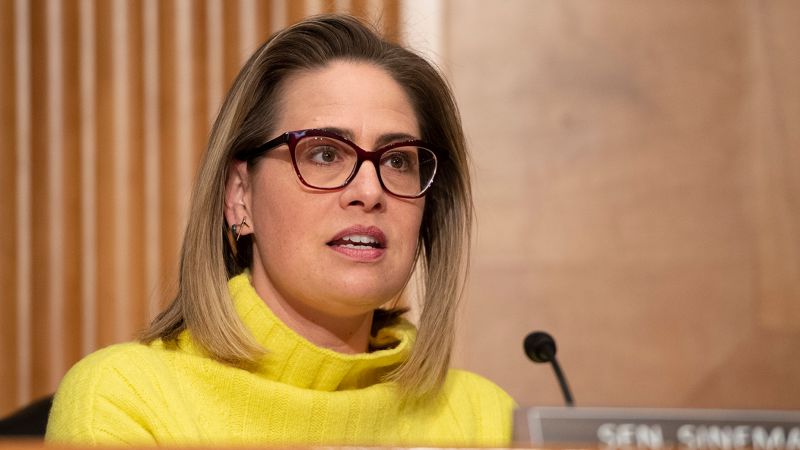
Arizona Senator Kyrsten Sinema announced she is leaving the Democratic Party to become an independent, though she will continue to caucus with Democrats in the Senate. While the Democratic caucus maintains its 51-member voting bloc, Sinema's shift removes her from primary accountability and may further distance her voting record from party positions. The move reshapes the 2024 Senate map and raises questions about whether Democrats will field a primary challenger in the competitive purple state.
Kyrsten Sinema, the Arizona senator who has been a contentious figure within the Democratic caucus, announced her decision to become an independent on Friday. Despite the party change, Sinema will continue to caucus with Democrats, preserving their 51-member Senate majority. However, the shift has significant implications for Democratic strategy: Sinema's historical voting record shows she sided with her party only 69% of the time on partisan votes between 2013 and 2020, compared to the 90% average for Democrats. With her approval rating among Arizona Democrats at just 25% in autumn 2022 polling, she faced a difficult primary battle. By becoming independent, Sinema eliminates the need to win a Democratic primary but must now build a coalition of Democrats, independents, and Republicans—an incentive structure that may push her voting record further rightward. The decision creates uncertainty about whether Democrats will challenge her in 2024, as they typically avoid splitting votes against independent allies like Bernie Sanders and Angus King, though the electoral dynamics in Arizona differ from those precedents.
What different sources said
- CNN PoliticsLeft
How Kyrsten Sinema's decision makes Democrats' 2024 Senate map tighter
Related
Halfway Through 2026 Primary Season: Six Key Takeaways from Congressional Races
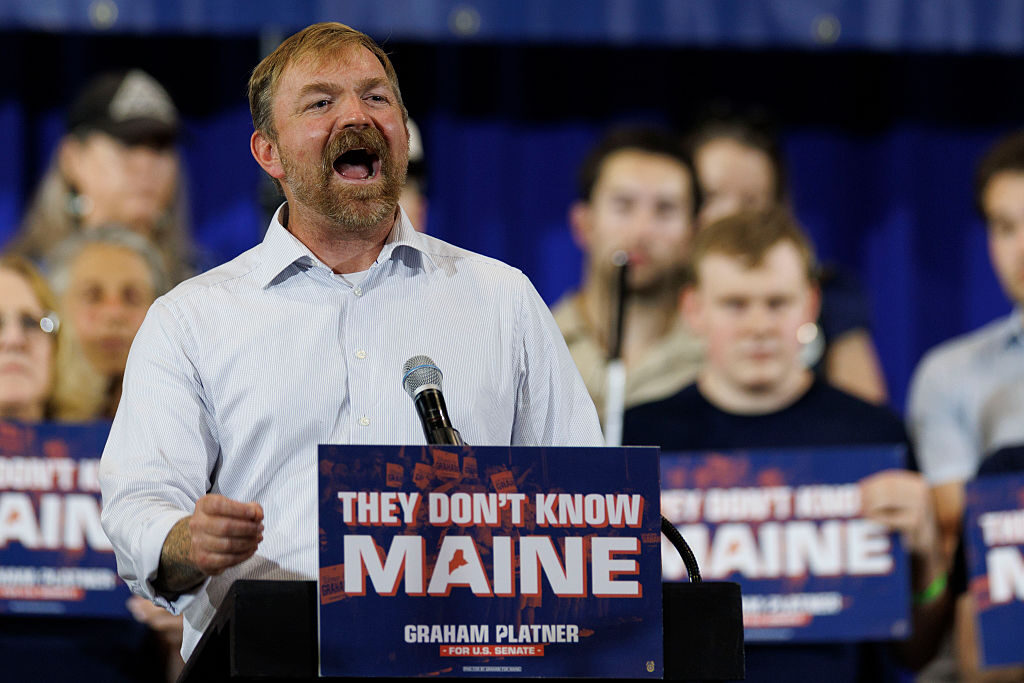
Four more states held primaries this week, bringing the total to 26 states that have completed regular congressional primaries in the 2026 midterm cycle. Key patterns emerging include front-runners not always winning, House members struggling to advance to statewide office, and President Trump's endorsement record remaining largely successful despite low approval ratings. These trends are shaping the competitive landscape for the general election.

Congress Struggles to Build Support for $9 Billion Rayburn House Office Building Renovation
The Architect of the Capitol is pushing for a major renovation of the Rayburn House Office Building, which could cost $9 billion and last until 2045, but lawmakers remain hesitant to commit to the project. The building, constructed in 1965, is experiencing serious deterioration including 16 major leaks in the past year alone and risks of catastrophic system failure. The challenge reflects a broader political difficulty: Congress has historically been reluctant to fund its own infrastructure, with legislative branch spending averaging just 0.15 percent of total budget authority since 1976.

Study Finds College Faculty Lean Significantly Left, Raising Questions About Campus Ideological Diversity
A study commissioned by the Foundation for Individual Rights and Expression found that college faculty donors have an average ideology score of -1.02, comparable to Senator Bernie Sanders's -1.14, indicating strong leftward lean among faculty. The research cross-referenced over 100,000 faculty members with campaign contribution data, and separate surveys found only 20% of faculty believed a conservative scholar would be welcome in their department. The findings raise concerns about ideological diversity in higher education and its potential influence on student political attitudes.