Karnataka Congress Government Maintains Portfolio Status Quo Until Cabinet Expansion Expected in Late June

Karnataka's Congress government under Chief Minister D.K. Shivakumar is expected to keep ministerial portfolios unchanged until a Cabinet expansion planned for late June. Three ministers—K.H. Muniyappa, Ramalinga Reddy, and Krishna Byre Gowda—have expressed dissatisfaction with their current allocations, with grievances ranging from promised portfolios not being delivered to insufficient control over key urban development authorities. The decision reflects political calculations ahead of municipal corporation elections and the 2028 Assembly elections, with Shivakumar retaining control of influential development authorities.
Karnataka's Congress government is maintaining the status quo on ministerial portfolio allocations until a Cabinet expansion expected at the end of June, according to party sources. Three senior ministers have expressed discontent: Ramalinga Reddy wanted the Bengaluru Development portfolio but received Water Resources instead and even submitted a resignation before withdrawing it; Krishna Byre Gowda received Bengaluru Development but without control of the powerful Bangalore Development Authority (BDA) and Bengaluru Metropolitan Region Development Authority (BMRDA), which he held previously and seeks again; and K.H. Muniyappa wants to swap his Food, Civil Supplies and Consumer Affairs portfolio for Social Welfare, which carries greater influence among Scheduled Castes. Chief Minister Shivakumar has retained personal control of the BDA and BMRDA, authorities crucial for land acquisition, housing projects, and urban planning decisions ahead of municipal corporation elections and the 2028 Assembly elections. Party sources indicate that Shivakumar is expected to meet with Congress Central leaders to discuss the matter, though portfolio changes are likely to occur only during the next Cabinet expansion.
What different sources said
- The HinduCenter
Status quo on portfolios likely until next Cabinet expansion
Related
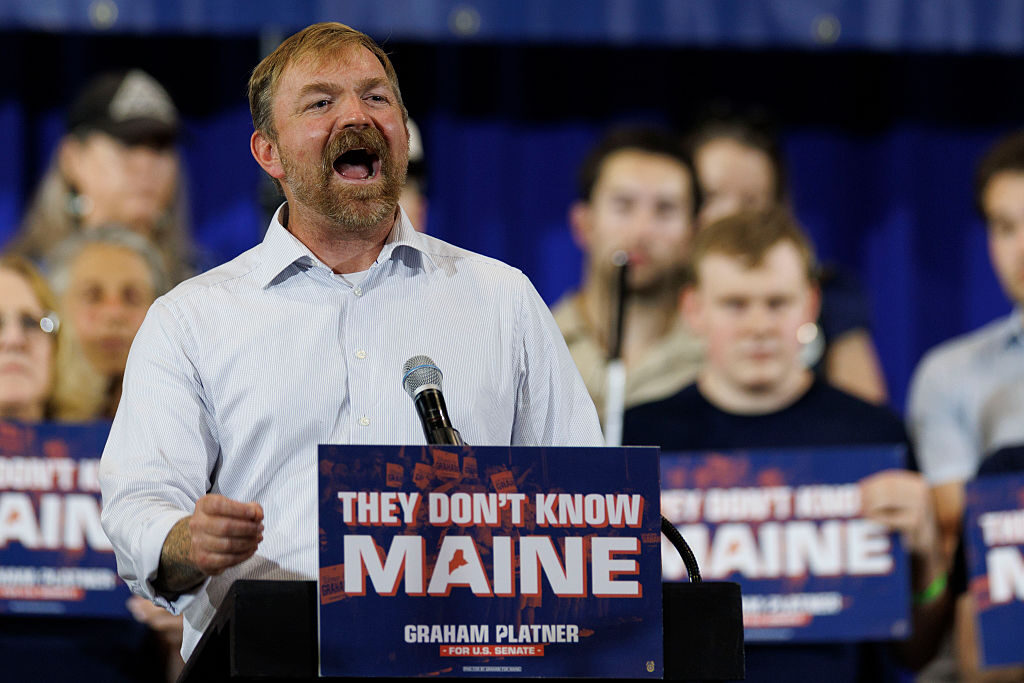
Halfway Through 2026 Primary Season: Six Key Takeaways from Congressional Races
Four more states held primaries this week, bringing the total to 26 states that have completed regular congressional primaries in the 2026 midterm cycle. Key patterns emerging include front-runners not always winning, House members struggling to advance to statewide office, and President Trump's endorsement record remaining largely successful despite low approval ratings. These trends are shaping the competitive landscape for the general election.
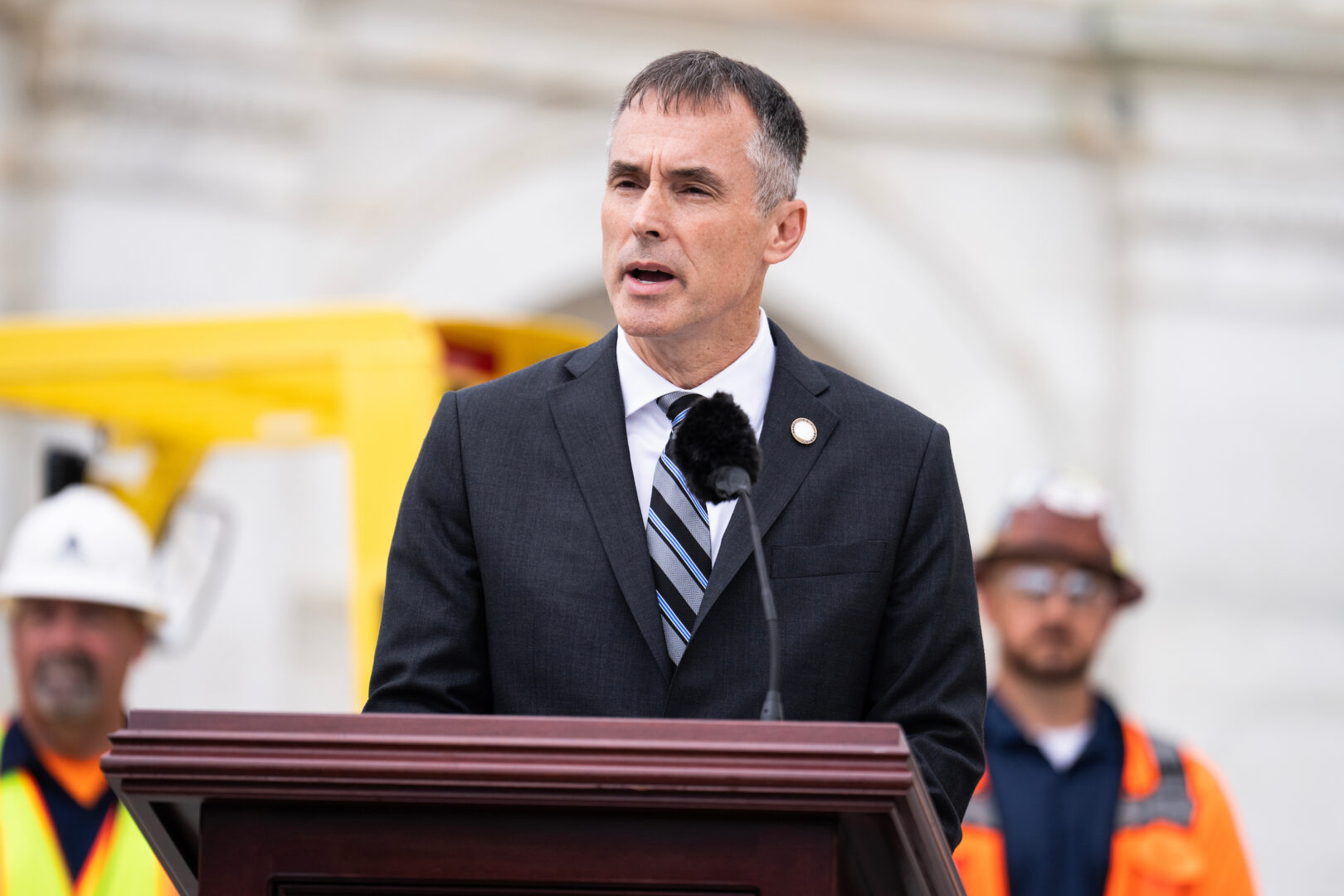
Congress Struggles to Build Support for $9 Billion Rayburn House Office Building Renovation
The Architect of the Capitol is pushing for a major renovation of the Rayburn House Office Building, which could cost $9 billion and last until 2045, but lawmakers remain hesitant to commit to the project. The building, constructed in 1965, is experiencing serious deterioration including 16 major leaks in the past year alone and risks of catastrophic system failure. The challenge reflects a broader political difficulty: Congress has historically been reluctant to fund its own infrastructure, with legislative branch spending averaging just 0.15 percent of total budget authority since 1976.

Study Finds College Faculty Lean Significantly Left, Raising Questions About Campus Ideological Diversity
A study commissioned by the Foundation for Individual Rights and Expression found that college faculty donors have an average ideology score of -1.02, comparable to Senator Bernie Sanders's -1.14, indicating strong leftward lean among faculty. The research cross-referenced over 100,000 faculty members with campaign contribution data, and separate surveys found only 20% of faculty believed a conservative scholar would be welcome in their department. The findings raise concerns about ideological diversity in higher education and its potential influence on student political attitudes.