Julie Bishop resigns as ANU chancellor, citing 'coercive threats' from university regulator TEQSA
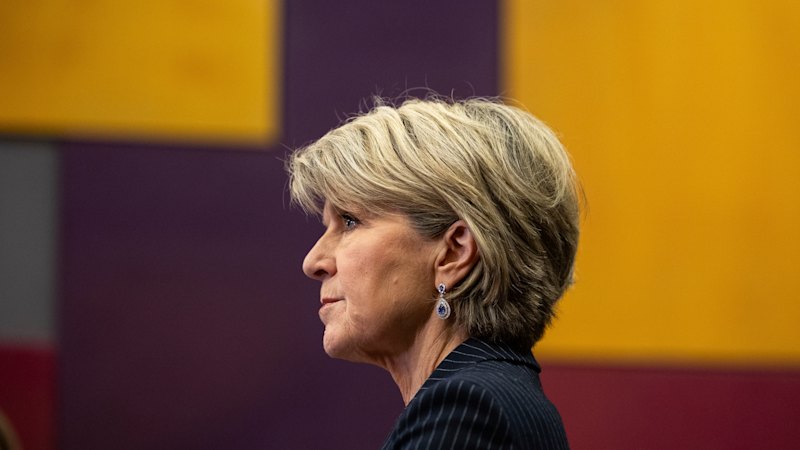
Former Australian National University chancellor Julie Bishop has tabled a resignation letter in parliament accusing the Tertiary Education Quality and Standards Agency (TEQSA) of 'coercive threats' and 'increasingly contemptuous intervention' that she says forced her to quit seven months early. Bishop's resignation in May came amid sustained criticism of ANU's governance following the ill-fated 'Renew ANU' cost-cutting program, which also led to the early departure of vice-chancellor Genevieve Bell and several council members. The letter intensifies scrutiny of TEQSA's regulatory conduct, with Bishop alleging the agency effectively sought to take over university governance — claims TEQSA officials have already disputed at Senate estimates.
Julie Bishop, who served as ANU chancellor from 2020 and was reappointed until the end of 2026, resigned in May citing what she described as an untenable regulatory environment. Her resignation letter, tabled in federal parliament this week, alleges that TEQSA's interventions 'grievously constrained' her ability to discharge her legal duties and amounted to a near-takeover of university governance. Bishop noted that she received only one letter from TEQSA in her first four years as chancellor, but that interactions escalated to almost 60 separate exchanges requiring her personal input since late 2024, coinciding with the Renew ANU restructuring program. She characterised the volume of requests as 'persistent, unreasonable and arguably vexatious,' and said TEQSA's proposed new conditions of registration constituted coercive threats that would strip the university of its independence. Her concerns were echoed in resignation letters from other council members, including former WA chief justice Wayne Martin and Padma Raman, while other departing members cited separate governance failures. A recent audit office report found that Renew ANU was not justified by the university's financial position, and acting vice-chancellor Rebekah Brown told Senate estimates the controversies had cost ANU $100 million in reputational damage. TEQSA officials have disputed Bishop's characterisation of their conduct at Senate estimates hearings.
What's missing
The specific nature of TEQSA's disputed claims and the full substance of their Senate estimates rebuttal are not detailed in either source, leaving the regulator's counter-arguments largely unexamined. It is also unclear what formal consequences, if any, ANU faces under the 'voluntary undertaking' accepted by TEQSA in April.
How coverage differed
Both the Sydney Morning Herald and ABC Australia covered the story with similar neutrality and factual framing. The SMH provided slightly more contextual detail, including commentary from former ACU vice-chancellor Greg Craven defending TEQSA's role, while the ABC placed greater emphasis on TEQSA's rebuttal of Bishop's allegations at Senate estimates.
What different sources said
- Sydney Morning HeraldCenter
‘Coercive threats’: Julie Bishop’s scathing resignation letter from ANU
- ABC AustraliaCenter
Bishop alleges 'coercive threats', 'overreach' by university regulator in resignation letter
Related
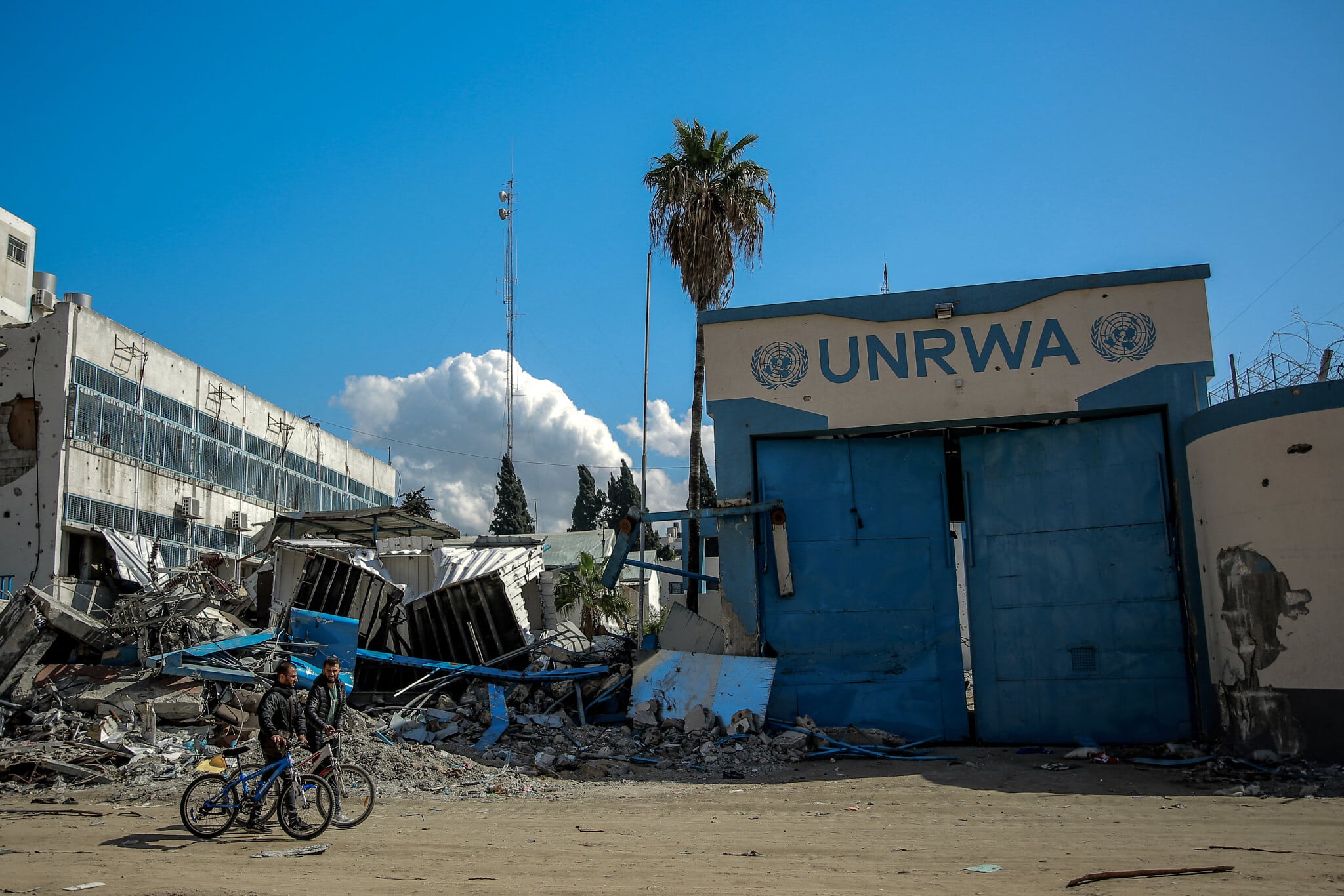
UNRWA Fires 70 Gaza Staff Members, Denies Terminations Validate Hamas Allegations
The UN agency for Palestinian refugees, UNRWA, has dismissed 70 employees in Gaza with immediate effect, citing safety and security risks. The move follows a USAID investigation that referred over 100 UNRWA staff for suspension or dismissal, and longstanding Israeli allegations that significant portions of the agency's workforce have ties to Hamas. The firings mark a significant but contested step in addressing accusations that have dogged the agency since the October 7, 2023 attacks, while UNRWA insists the dismissals are not an admission of guilt.
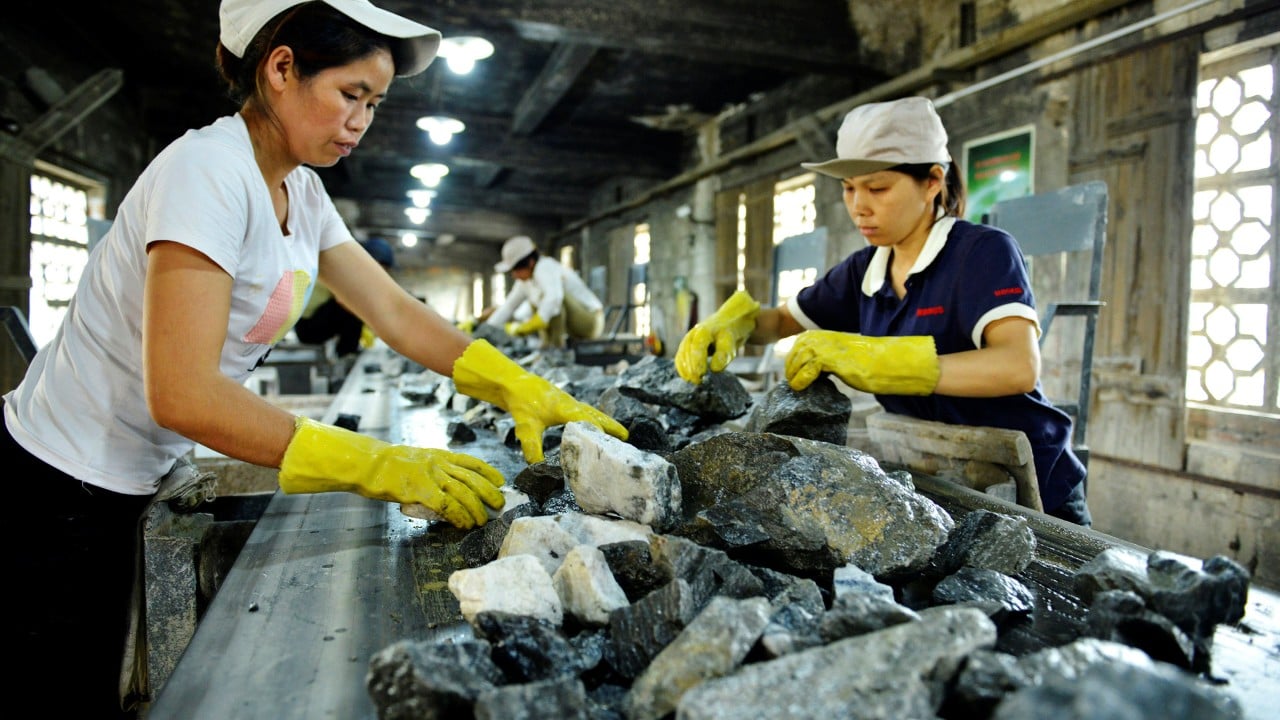
China's Tungsten Export Controls Ripple Through Global Supply Chains, From AI Chips to Weapons
China's 2025 export restrictions on tungsten have triggered price surges, potential production halts at Japanese semiconductor gas manufacturers, and a push to revive domestic mining in the United States. Tungsten, of which China produces over 78 percent of global supply, is critical to both advanced AI chipmaking and military munitions. The disruptions are exposing deep vulnerabilities in Western and Asian supply chains for a material with few short-term substitutes.

Rain Delays Start of India vs Afghanistan 1st ODI in Dharamshala
Persistent drizzle has delayed the toss and cast doubt over the first ODI between India and Afghanistan at the Himachal Pradesh Cricket Association Stadium in Dharamshala. The meteorological department issued an orange alert for June 12 warning of thunderstorms and hail across parts of Himachal Pradesh, with a 60–70% chance of showers forecast throughout the day. The delay threatens what would have been a historically significant match — the first-ever bilateral ODI series between the two nations.