JPMorgan Grapples With Soaring AI Token Costs as Some Employees Exceed Salary Spending
JPMorgan Chase employees in some divisions are spending more on AI tokens than their annual salaries, according to the bank's chief data and analytics officer. The rising costs of AI usage have prompted financial institutions to reconsider how broadly to deploy these tools across their workforce. The issue highlights a broader corporate challenge of managing AI expenses as companies scale adoption.
JPMorgan Chase is confronting unexpectedly high costs from AI token usage, with some employees in the Payments division spending more on tokens than their salaries, according to Zachery Anderson, the division's chief data and analytics officer. The bank had encouraged employees to integrate AI into their daily work, but the resulting token expenses have become a significant budget concern. While JPMorgan is monitoring usage and some companies are restricting which employees can access certain AI tools, the bank has not implemented companywide rationing or created usage leaderboards. The challenge is particularly acute for analysts in the markets division, who have historically used expensive financial models. Financial institutions now face a strategic question about whether AI tools should be reserved for specific roles rather than deployed broadly across their organizations.
What's missing
The article does not specify the actual token costs per employee, the total AI spending at JPMorgan, or provide industry benchmarks for comparison. It also lacks detail on which specific AI tools are driving the highest costs or what percentage of affected employees are experiencing salary-exceeding expenses.
What different sources said
- SemaforCenter
AI token costs are exceeding some employees’ salaries
Related

U.S. Markets Stage Rebounds Following Chip Stock Selloff
U.S. markets have rebounded twice following a dramatic Friday selloff in chip stocks, with gains at Monday's open and Tuesday afternoon. The Nasdaq 100 remains down 4.25% for the month despite the recoveries, and volatility has increased sharply. The pattern reflects the market's traditional 'buy the dip' behavior as investors resist giving up recent gains.
Japan's 30-Year Bond Auction Sees Weakest Demand in Over a Year
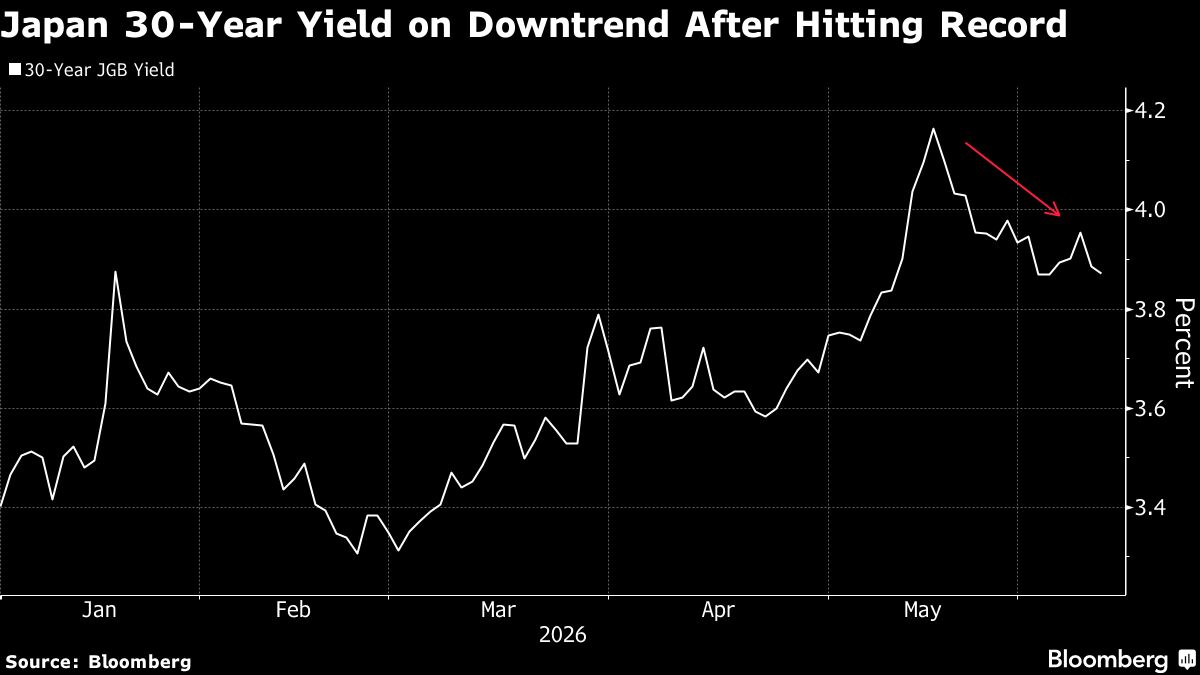
Japan's 30-year government bond auction on June 10, 2026 attracted the weakest demand since June 2025, with a bid-to-cover ratio of 2.94 compared to the previous 3.49. The decline reflects investor concerns over inflation and fiscal policy, as well as falling yields reducing appetite for the bonds. Weak bond demand can signal investor anxiety about Japan's economic outlook and fiscal sustainability.
HKEx CEO Bonnie Chan Calls Potential SpaceX Listing an 'Exciting Deal'
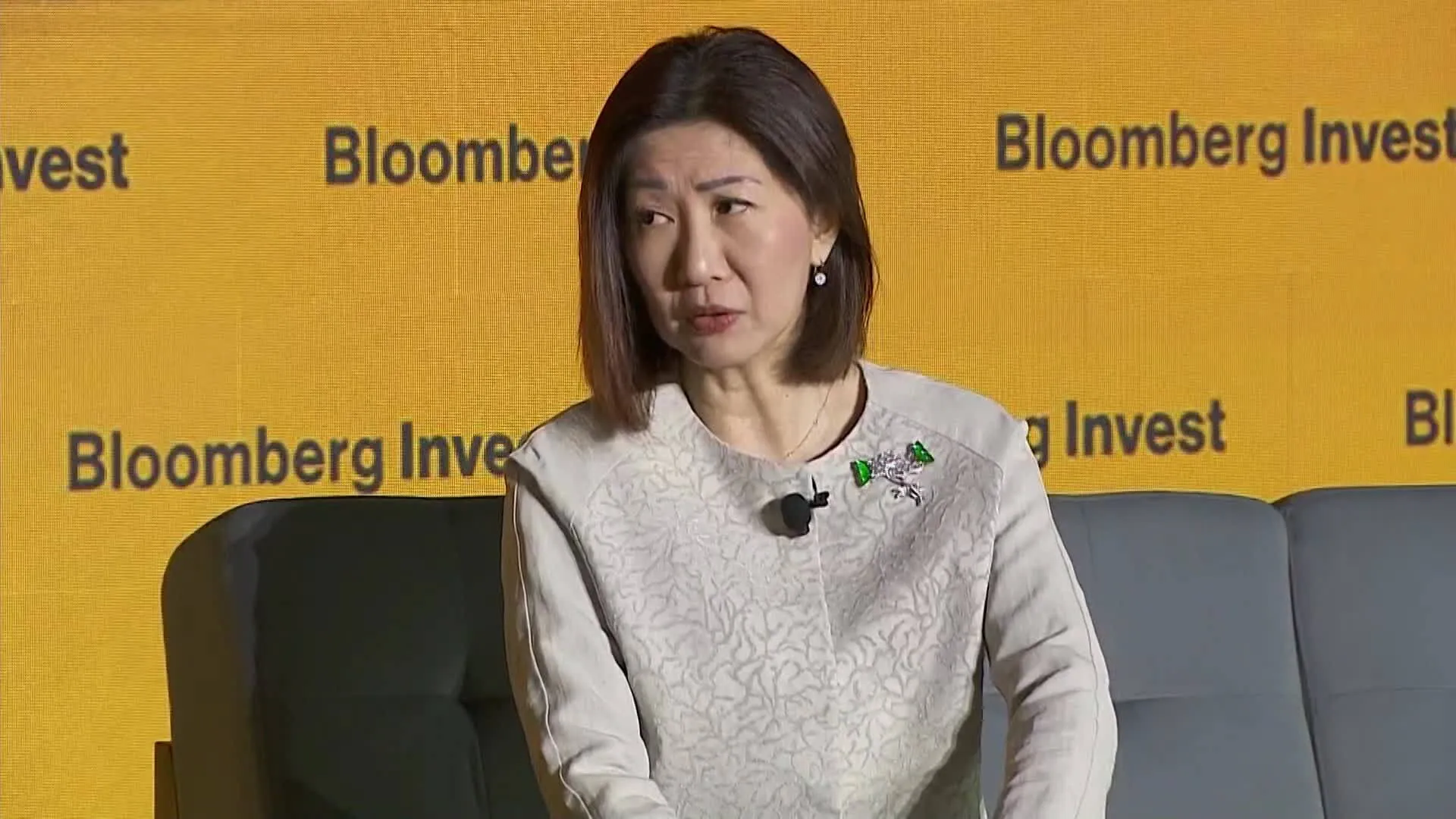
Hong Kong Exchanges and Clearing (HKEx) CEO Bonnie Chan expressed enthusiasm about a potential SpaceX listing, describing it as an exciting opportunity. Chan highlighted that Chinese supply chains have broad coverage relevant to such a deal. The statement suggests HKEx's interest in attracting major space industry companies to its exchange.