Jet Fuel Crisis Accelerates Interest in Sustainable Aviation Fuel as Summer Travel Demand Peaks

Iran's closure of the Strait of Hormuz has disrupted global jet fuel supplies, causing airlines to cancel thousands of flights and prompting millions of travelers to change plans. The shortage has made sustainable aviation fuel (SAF), which costs 2-5 times more than conventional jet fuel but reduces emissions by up to 80 percent, suddenly more financially competitive. The crisis could be a turning point for SAF adoption, though production bottlenecks and limited feedstock supplies have kept its use below 1 percent of global jet fuel consumption.
Iran's closure of the Strait of Hormuz—through which nearly 20 percent of the world's oil supply flows—has created a global jet fuel shortage that is reshaping summer travel plans and airline operations. Major carriers including American Airlines, United, and Delta have suspended routes and are facing sharply elevated fuel costs. The supply crisis has unexpectedly made sustainable aviation fuel (SAF) a more economically viable alternative; SAF typically costs two to five times more than conventional jet fuel but can reduce emissions by up to 80 percent. Made from renewable resources like used cooking oil and agricultural waste, SAF can be blended with conventional jet fuel without requiring aircraft modifications. However, the industry faces significant challenges in scaling production: bottlenecks include scarcity of raw materials, complex infrastructure requirements, and expensive production processes that have kept SAF below 1 percent of global jet fuel consumption. World Energy, the first commercial-scale SAF producer, ended production last year, though the current crisis has renewed industry focus on developing alternative fuel sources.
What's missing
The article does not provide specific details about Iran's stated rationale for closing the Strait of Hormuz or the timeline for when the blockade might be lifted. Additionally, while the article mentions United forming a consortium in April with Microsoft, DSV, and a Houston-based energy company, the text is incomplete and does not specify the consortium's goals or scope.
What different sources said
- WiredLeft
This Summer Travel Season Could Forever Alter the Future of Sustainable Aviation Fuel
Related
U.S. Inflation Expected to Reach 3-Year High in May Amid Iran War and Tariff Effects
Consumer prices are forecast to have jumped to 4.2% annually in May, the highest in three years, according to economist surveys ahead of Labor Department data release. The increase follows Trump administration tariffs imposed in April 2025 and recent oil price spikes tied to the Iran war. The inflation surge poses political challenges for the Trump administration ahead of midterm elections and complicates the Federal Reserve's efforts to control price growth.
Public Procurement Model Could Save UK Households £200 Annually on Electricity Bills, Research Suggests
A thinktank report proposes that the UK government act as a single buyer of electricity, potentially saving households nearly £200 per year by breaking the link between gas and electricity prices. Currently, gas generators set wholesale prices for 80-90% of the time despite producing only a quarter of power, allowing private generators to capture windfall profits while consumers pay some of the world's highest bills. The proposal would require structural market reform and could deliver £41-74 billion in total savings depending on future gas price levels.
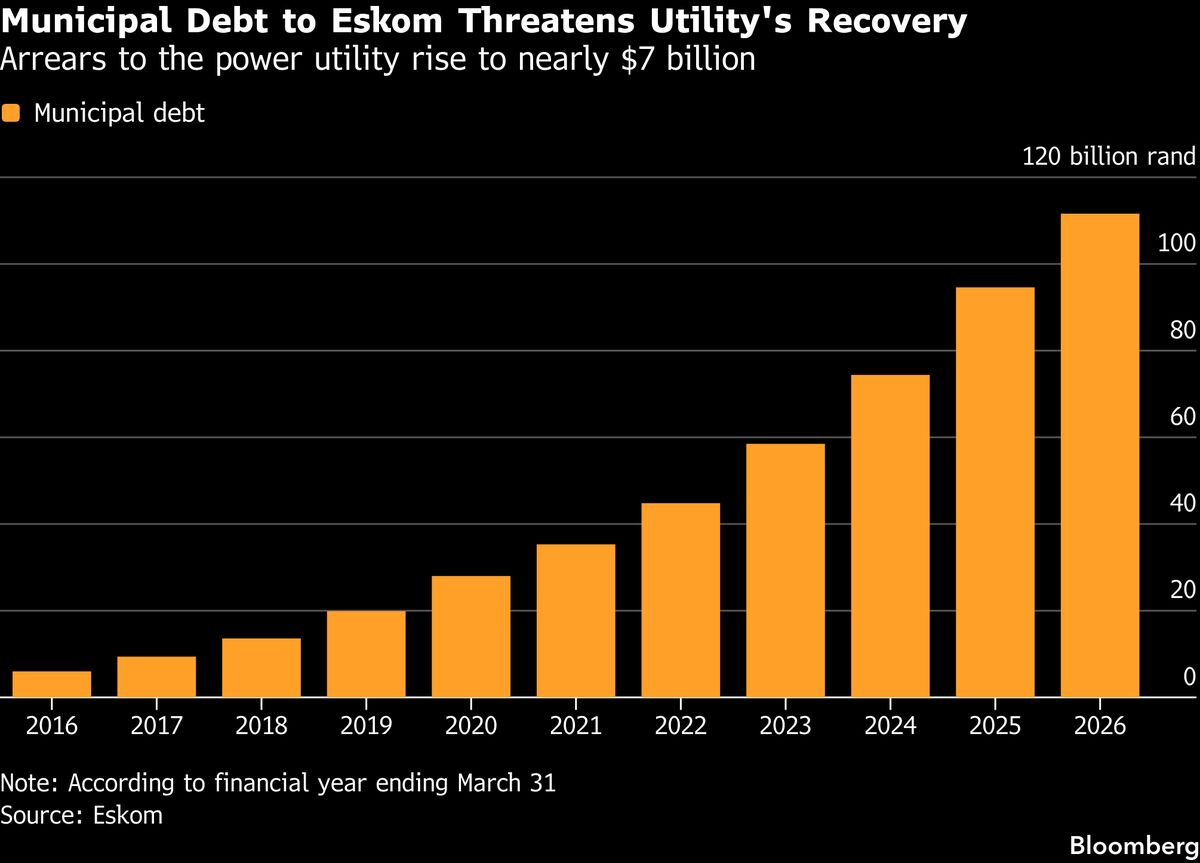
South Africa's Eskom Spinoff Plan Raises Credit Profile Concerns
South Africa is planning to split state-owned power utility Eskom Holdings into separate units, a restructuring that could weaken the company's financial risk profile. The transmission unit, which generates a significant portion of Eskom's earnings, would be separated under the plan. Financial analysts and ratings agencies worry the spinoff could negatively impact the utility's creditworthiness.