Japan Secures Oil Supplies Through March 2028 Amid Middle East Crisis
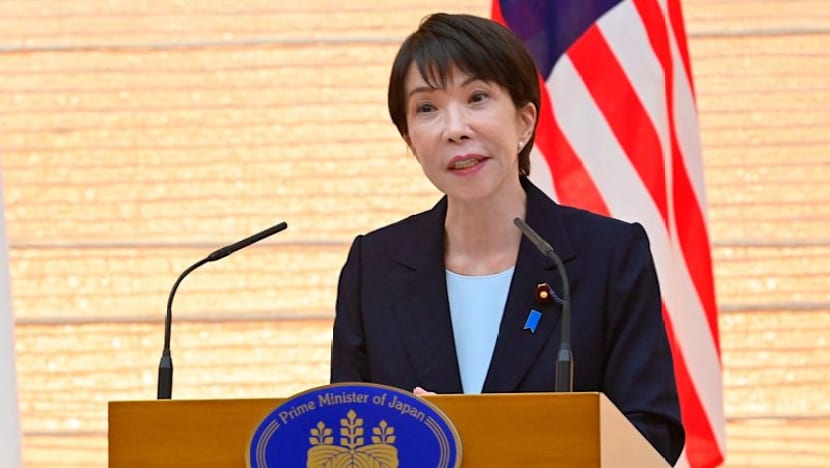
Japan has secured stable crude oil supplies through the end of March 2028 by combining alternative imports and stockpile releases, Prime Minister Sanae Takaichi announced Thursday. The country, which previously sourced 94% of its crude from the Middle East with 93% transiting the Strait of Hormuz, has diversified rapidly — with U.S. imports expected to exceed ten times their prior monthly average in July. The development is significant because it signals Japan has largely insulated itself from near-term energy disruption caused by Iran's effective closure of the Strait of Hormuz.
Prime Minister Sanae Takaichi told a cabinet meeting on Thursday that Japan has extended its stable oil supply outlook by approximately one year, now covering through March 2028, through a mix of alternative crude sourcing and strategic reserve drawdowns. July crude imports are expected to be fully sourced from regions that do not require Hormuz transit, with alternative supplies covering 100% of the previous year's average monthly consumption for July and 80% for June. U.S. exports to Japan are projected to be more than ten times the prior year's monthly average in July, reflecting a dramatic supply chain realignment. Japan began releasing oil stockpiles on March 16, drawing down roughly 50 days' worth of domestic consumption, including reserves held jointly with oil-producing nations. As of June 8, Japan held stockpiles equivalent to 201 days of consumption — 107 days in government reserves, 92 in private holdings, and three in joint reserves — with no additional releases planned for this month. Takaichi is set to attend the G7 summit in France starting June 13, where she plans to push for free navigation through key sea lanes, coordinated IEA stockpile support across Asia, and deeper cooperation between oil producers and consumers.
What's missing
The articles do not specify which alternative oil-producing countries beyond the United States have expanded exports to Japan, nor do they detail the pricing or contractual terms of these emergency supply arrangements. The long-term sustainability of a tenfold increase in U.S. crude exports to Japan and whether this reflects spot purchases or longer-term agreements is also unaddressed.
How coverage differed
Bloomberg emphasized the complete Hormuz bypass achieved for July imports, framing the story around supply route diversification, while Channel NewsAsia provided the broadest operational detail including stockpile figures and Takaichi's G7 agenda. The Japan Times focused on the return to pre-war import volumes as the headline achievement, highlighting the human interest angle of energy security restoration.
What different sources said
- BloombergCenter
Takaichi Says 100% of Japan’s Oil Supply to Avoid Hormuz in July
- Channel NewsAsiaCenter
Japan secures stable crude supplies through March 2028, PM Takaichi says
- The Japan TimesCenter
Japan’s July oil imports to return to pre-Iran war level, Takaichi says
- Yahoo FinanceCenter
Japan Taps Reserves and New Suppliers to Beat the Oil Blockade
Related
UNRWA Fires 70 Gaza Staff Members, Denies Terminations Validate Hamas Allegations
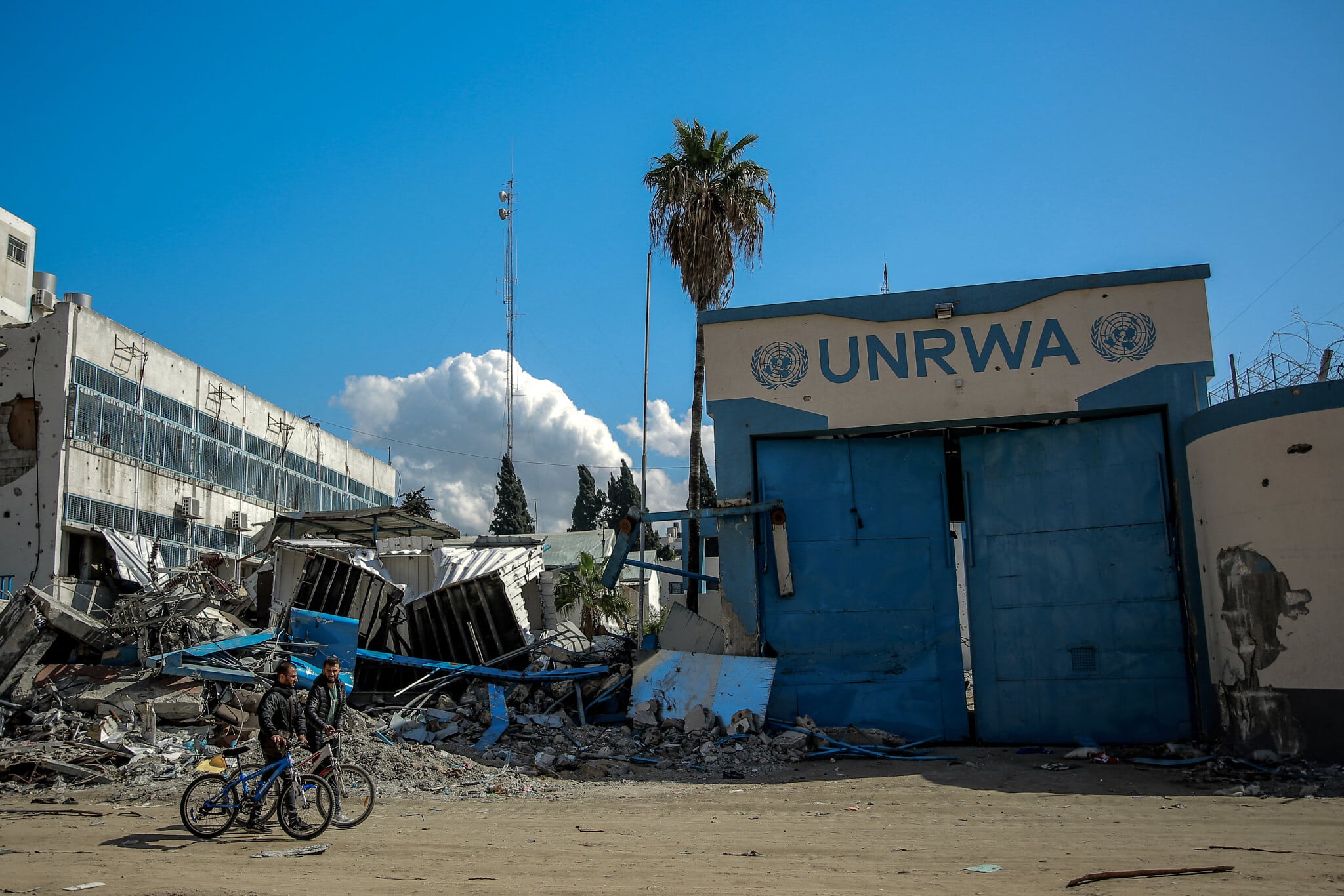
The UN agency for Palestinian refugees, UNRWA, has dismissed 70 employees in Gaza with immediate effect, citing safety and security risks. The move follows a USAID investigation that referred over 100 UNRWA staff for suspension or dismissal, and longstanding Israeli allegations that significant portions of the agency's workforce have ties to Hamas. The firings mark a significant but contested step in addressing accusations that have dogged the agency since the October 7, 2023 attacks, while UNRWA insists the dismissals are not an admission of guilt.
China's Tungsten Export Controls Ripple Through Global Supply Chains, From AI Chips to Weapons
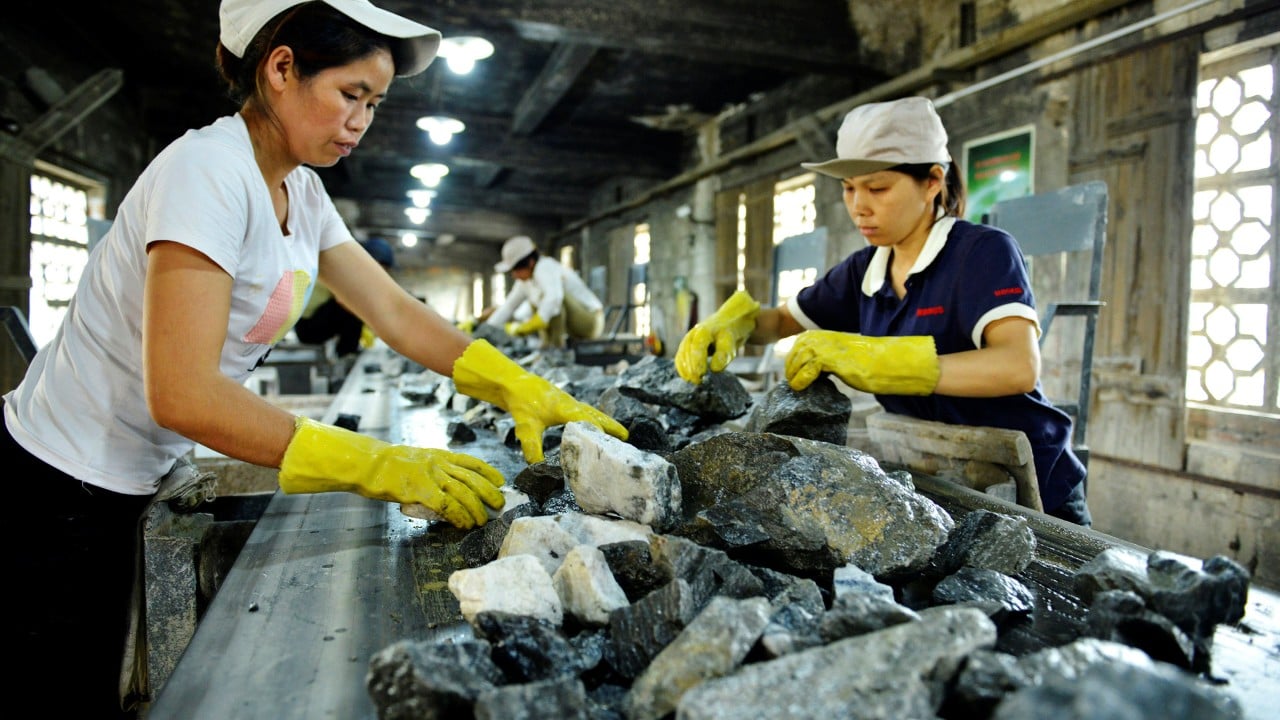
China's 2025 export restrictions on tungsten have triggered price surges, potential production halts at Japanese semiconductor gas manufacturers, and a push to revive domestic mining in the United States. Tungsten, of which China produces over 78 percent of global supply, is critical to both advanced AI chipmaking and military munitions. The disruptions are exposing deep vulnerabilities in Western and Asian supply chains for a material with few short-term substitutes.

Rain Delays Start of India vs Afghanistan 1st ODI in Dharamshala
Persistent drizzle has delayed the toss and cast doubt over the first ODI between India and Afghanistan at the Himachal Pradesh Cricket Association Stadium in Dharamshala. The meteorological department issued an orange alert for June 12 warning of thunderstorms and hail across parts of Himachal Pradesh, with a 60–70% chance of showers forecast throughout the day. The delay threatens what would have been a historically significant match — the first-ever bilateral ODI series between the two nations.