Israeli startups raise $8.6 billion in first half of 2026 despite war, but strong shekel erodes purchasing power
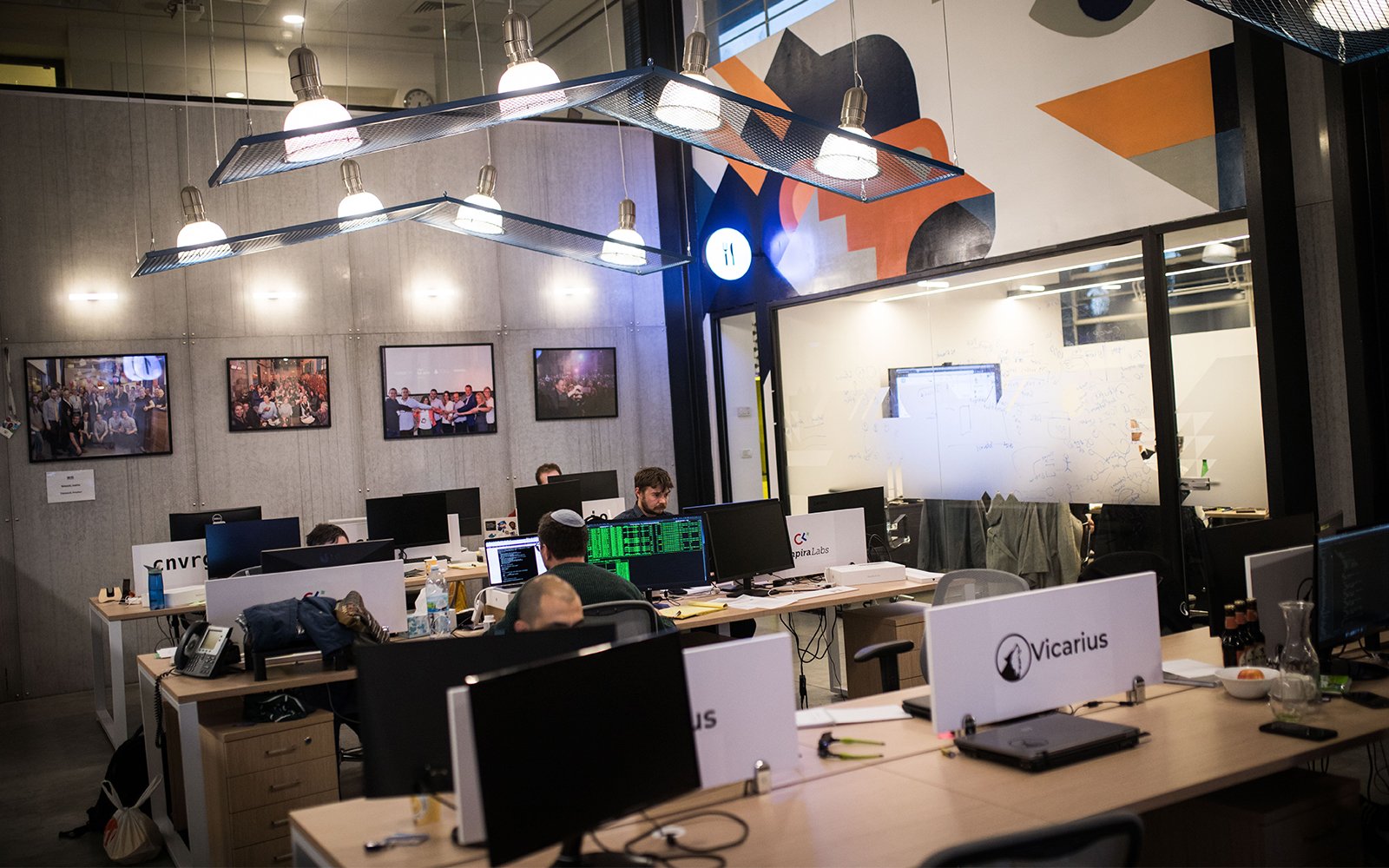
Israeli startups secured $8.6 billion in funding during the first five months of 2026, a 45% increase year-over-year, according to a Poalim Tech and Dealigence report. The funding surge occurred despite ongoing conflict with Iran and continued geopolitical uncertainty, with cybersecurity and AI companies capturing the majority of investment. However, the shekel's strength to a 33-year high against the dollar has reduced the effective value of dollar-denominated funding by up to 20%, shortening startups' cash runways and forcing difficult decisions about costs and hiring.
Israeli startups raised approximately $8.6 billion in the first five months of 2026, representing a 45% increase compared to $6 billion in the same period of 2025, according to data from Poalim Tech and Dealigence covering 1,685 startups employing 161,730 people. The funding continued to flow even during March's full-scale war with Iran, marking the strongest half-year period since 2021. However, the number of funding rounds declined by 35% year-over-year, indicating that capital concentrated among fewer companies, with cybersecurity and AI startups receiving the lion's share. Simultaneously, the shekel's appreciation to a 33-year high versus the dollar has created a paradoxical challenge: while dollar-denominated funding appears robust, its value has eroded by approximately 20% when converted to shekels, the currency in which Israeli startups pay most operating costs including salaries. This currency headwind is forcing startups to accelerate fundraising timelines, cut expenses, and consider hiring abroad to preserve their financial runways.
What different sources said
- Times of IsraelCenter
Despite war, Israeli startups snag $8.6 billion, as strong shekel cuts cash runway
Related
Trump's Middle East Conflict Adds $2.3 Million Daily to ACT Budget Deficit
Australia's ACT territory has seen its budget deficit balloon from $79.7 million to $323 million in 103 days, with higher energy costs and disrupted supply chains from the US-led Middle East conflict contributing approximately $2.3 million daily to the shortfall. The ACT Treasurer Chris Steel's 2026-27 budget assumes the conflict will settle and oil prices will decline, but economists warn these assumptions are uncertain. The deteriorating fiscal outlook poses risks for the territory's long-term economic stability and the Labor government's re-election prospects in 2028.

Japan Positioned as Asia's Top Contender for 2026 World Cup, Boosting Investor Interest
Japan enters the 2026 FIFA World Cup as Asia's highest-ranked team, generating investor optimism about a potential deep tournament run. The country's strong qualification positioning has drawn attention from financial markets, particularly in streaming, food and beverage sectors. A successful World Cup campaign could provide economic benefits through increased consumer spending and media engagement.
Petrol Company Settles Environmental Contamination Case for $2 Million After Collapse
Zoya Investments, a petrol station network operator, has agreed to pay $2 million to settle a lawsuit over environmental contamination at a Central Coast site that was supposed to become a hospital. The company's former directors were accused of selling off assets before the company's collapse in April 2024, though they deny wrongdoing. The settlement leaves creditors recovering only cents on the dollar, with one developer receiving just $300,000 of the $9.3 million it was owed.