Iran War's Energy Crisis Will Persist Long After Peace Deal, Experts Warn

As the US-Israel-Iran war passes the 100-day mark, energy experts warn that even a peace deal would not quickly restore normal oil and gas supplies, with Brent crude still trading around $93/barrel — well above its pre-war level of $72.48. Physical damage to Gulf infrastructure, shipping hesitancy, depleting strategic petroleum reserves, and contractual disputes are expected to prolong the energy crunch for months or years. US inflation has climbed to 4.2% annually in May, with energy prices up 23.5% and gasoline up 40.5% over the past year, raising concerns about a potential recession if oil stocks run dry this summer.
The conflict, which began on February 28, 2026, has kept the Strait of Hormuz — a critical chokepoint for global oil and gas — operating at a fraction of normal capacity, pushing Brent crude from $72.48/barrel before the war to peaks near $120/barrel before settling around $93/barrel by early June. Experts including Saudi Aramco CEO Amin Nasser and University of California San Diego's David Victor warn that supply chain disruptions are already 'locked in' for at least three to six months even if hostilities ceased immediately, due to the time required to restore shipping confidence, repair damaged infrastructure, and replenish depleted strategic reserves. Qatar's Ras Laffan LNG complex, which sustained strikes knocking out 17% of the country's LNG capacity, could take three to five years to fully repair, according to Qatari officials. The International Energy Agency's release of 400 million barrels from strategic reserves is expected to run dry by late summer, after which analysts warn oil could spike to $150/barrel, potentially triggering a global recession. US inflation reached 4.2% in May — up from 2.4% before the war — while President Trump drew criticism for appearing to welcome the figures, claiming US forces were covertly moving oil shipments through the strait. Gas prices at the pump have shown modest recent declines, averaging $4.15/gallon nationally, but analysts caution that extreme volatility remains, with summer prices potentially ranging anywhere from below $4 to above $5 per gallon depending on how the conflict evolves.
Data: Anadolu Agency (AA)
What's missing
The articles do not address the specific military or diplomatic conditions that would need to be met for a formal peace agreement, nor do they detail the current state of US-Iran negotiations beyond references to Trump's contradictory public statements. The longer-term geopolitical consequences for regional stability and the potential for Iran to reconstitute nuclear capabilities are also largely absent.
How coverage differed
Salon framed the energy crisis primarily as a consequence of Trump administration decisions and messaging failures, placing political responsibility on the president. The Washington Examiner, by contrast, focused on market uncertainty and resilience without assigning political blame, emphasizing that markets have adapted to the 'new normal' of the conflict.
What different sources said
- Yahoo FinanceCenter
Nat-Gas Prices Slip on the Outlook for Cooler US Temperatures
- SalonCenter
Trump has locked in high gas prices for summer — and maybe longer
- EuronewsCenter
'I love the inflation,' Trump says as prices jump again
- Deutsche WelleCenter
Iran war: Even a peace deal won't fix energy crunch
- Yahoo FinanceCenter
U.S. Natural Gas Futures Slip in Rangebound Trade
- The EconomistCenter
The US in Brief: “I love the inflation”
- Washington ExaminerRight
U.S. primed for summer of unpredictable gas prices as Iran war rages on: ‘Living this uncertainty’
Related
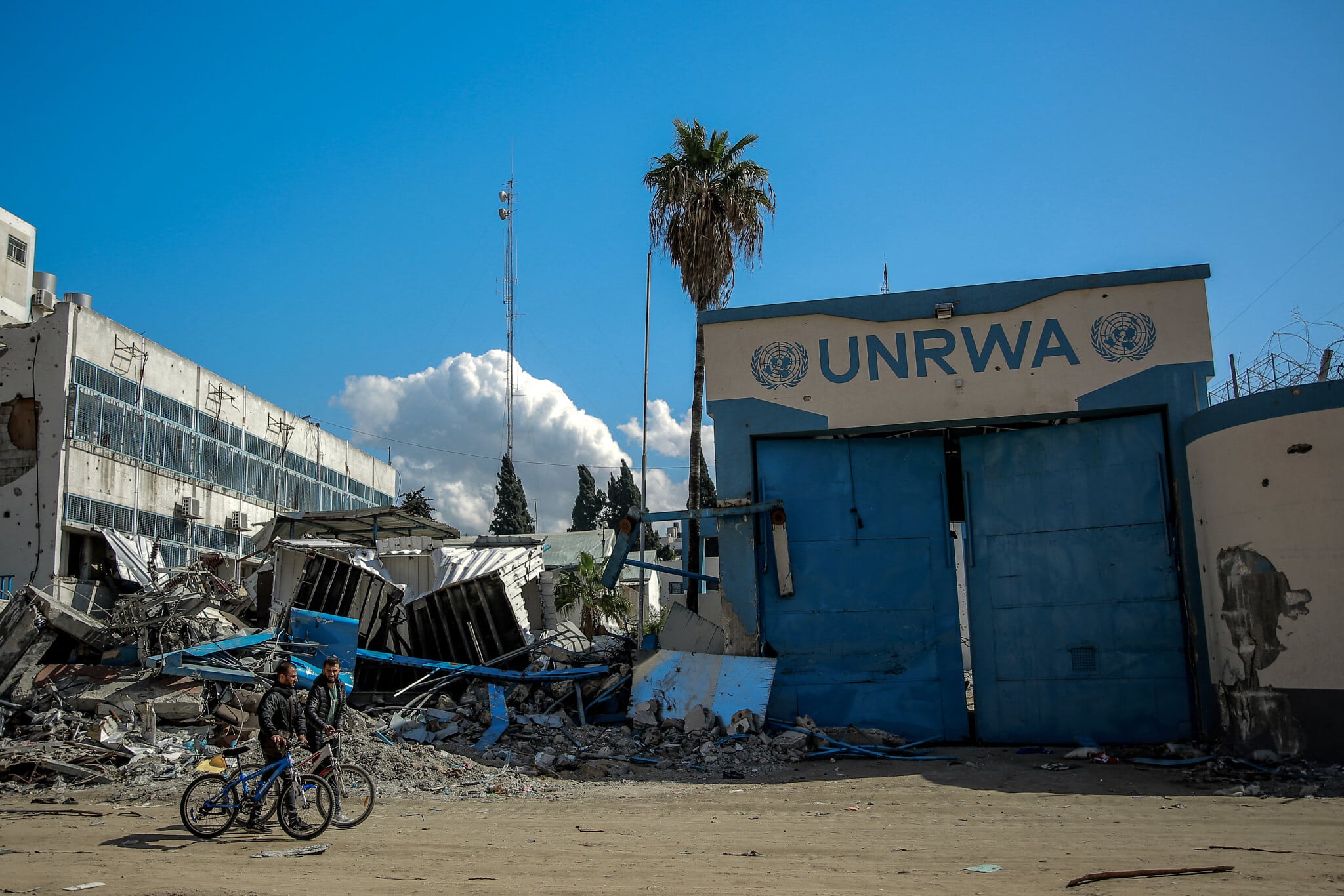
UNRWA Fires 70 Gaza Staff Members, Denies Terminations Validate Hamas Allegations
The UN agency for Palestinian refugees, UNRWA, has dismissed 70 employees in Gaza with immediate effect, citing safety and security risks. The move follows a USAID investigation that referred over 100 UNRWA staff for suspension or dismissal, and longstanding Israeli allegations that significant portions of the agency's workforce have ties to Hamas. The firings mark a significant but contested step in addressing accusations that have dogged the agency since the October 7, 2023 attacks, while UNRWA insists the dismissals are not an admission of guilt.
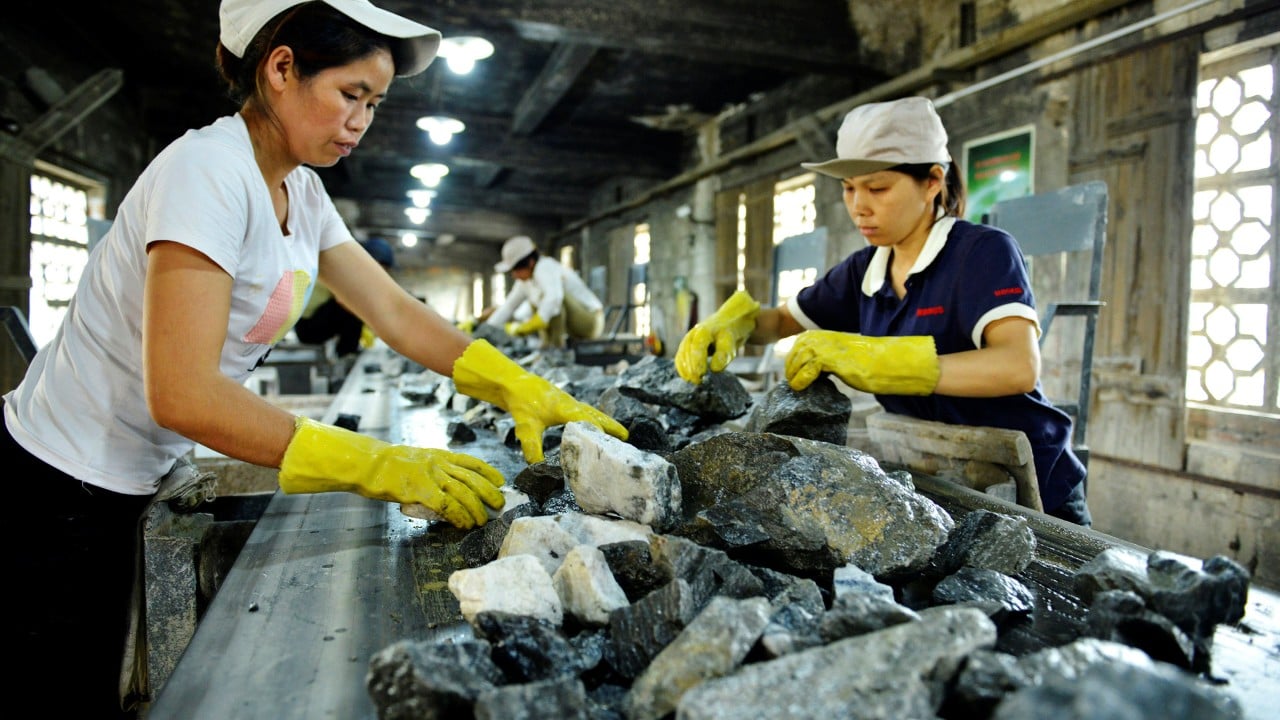
China's Tungsten Export Controls Ripple Through Global Supply Chains, From AI Chips to Weapons
China's 2025 export restrictions on tungsten have triggered price surges, potential production halts at Japanese semiconductor gas manufacturers, and a push to revive domestic mining in the United States. Tungsten, of which China produces over 78 percent of global supply, is critical to both advanced AI chipmaking and military munitions. The disruptions are exposing deep vulnerabilities in Western and Asian supply chains for a material with few short-term substitutes.

Rain Delays Start of India vs Afghanistan 1st ODI in Dharamshala
Persistent drizzle has delayed the toss and cast doubt over the first ODI between India and Afghanistan at the Himachal Pradesh Cricket Association Stadium in Dharamshala. The meteorological department issued an orange alert for June 12 warning of thunderstorms and hail across parts of Himachal Pradesh, with a 60–70% chance of showers forecast throughout the day. The delay threatens what would have been a historically significant match — the first-ever bilateral ODI series between the two nations.