Iran Conflict's Strait of Hormuz Closure Triggers Fuel Price Spikes and Protests Across Africa
Closure of the Strait of Hormuz due to the Iran-US-Israel conflict has caused fuel price increases in distant African nations, sparking protests and social unrest in countries like Comoros, Kenya, and Mozambique. The disruption affects global energy and fertilizer supplies, with experts warning of cascading economic impacts far beyond the Middle East. If the strait remains closed through planting season, a severe food crisis could emerge in 2027, potentially destabilizing regions with no direct involvement in the conflict.
The closure of the Strait of Hormuz following the Iran conflict has created unexpected ripple effects thousands of miles away in Africa. Comoros, Kenya, and Mozambique have all experienced fuel price increases—ranging from 35 to 46 percent—triggering public protests, roadblocks, and clashes with security forces that have resulted in deaths. Notably, these protests target domestic governments rather than the war itself, reflecting how geopolitical events create unintended political instability in uninvolved nations. Experts warn the situation could worsen significantly, as nearly a third of global fertilizer trade passes through the Strait, and rising fuel costs affect food production through transportation and irrigation expenses. If the strait remains closed through the Northern Hemisphere's planting season, analysts predict a substantial food crisis by late 2026 and early 2027, potentially triggering mass protests and political upheaval in vulnerable regions.
What's missing
The article does not specify the current status of the Strait of Hormuz closure (whether it remains fully closed, partially restricted, or has been reopened) or provide details on Iran's stated rationale for the blockade beyond the broader conflict context.
What different sources said
- VoxLeft
How the Iran war could drive conflicts in countries thousands of miles away
Related
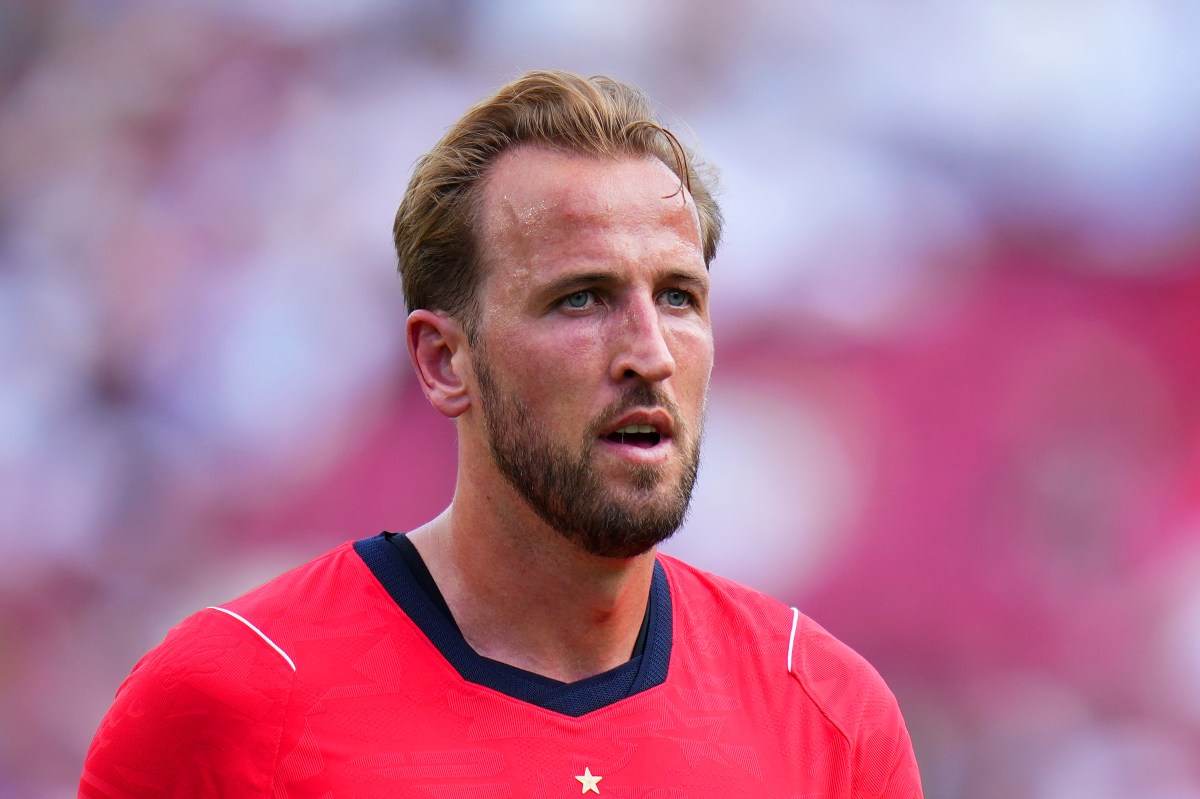
Harry Kane Names France, Argentina, Brazil, Spain as England's Main Threats at 2026 World Cup
England captain Harry Kane identified France, Argentina, Brazil, and Spain as the biggest threats facing the Three Lions at the 2026 FIFA World Cup, which begins June 11. Kane emphasized that success requires preparation to face multiple elite teams throughout the tournament, not just in a single match. Kane's assessment reflects England's position among tournament favorites alongside these nations, as the team seeks its first World Cup title since 1966.

Packers' Christian Watson Sets Ambitious Goals After $110 Million Contract Extension
Wide receiver Christian Watson signed a four-year, $110 million contract extension with the Green Bay Packers and outlined personal goals of 1,100+ receiving yards and double-digit touchdowns for the 2026 season. Watson has struggled with injuries throughout his career, appearing in just 48 games over four seasons and never exceeding 620 yards or seven touchdowns in a single year. The goals represent a significant step up from his recent performance but reflect the Packers' confidence in his potential.

Drew Bledsoe Warns Drake Maye to Manage Expectations After Patriots' Super Bowl Run
Former Patriots quarterback Drew Bledsoe cautioned Drake Maye about the intense pressure that follows a successful season, advising him to temper expectations after the Patriots nearly won the MVP and Super Bowl last year. Bledsoe, who was in a similar position at age 24 with New England before losing his starting job to Tom Brady, warned that high expectations can lead to unfair criticism. The advice comes as Maye heads into his third season facing a more challenging schedule than the Patriots' beneficial one from last year.