iPhone Theft Scams and Apple's Anti-Theft Measures Under Scrutiny

Cybercriminals are using fake Apple websites, phishing texts, and Telegram-based tools to trick stolen iPhone owners into revealing their passcodes, enabling thieves to unlock and resell devices. Meanwhile, the UK's Met Police reports an 18% drop in London phone theft over the past year, crediting collaboration with Apple and the default enabling of Stolen Device Protection in iOS 26.4. The dual developments highlight both the evolving threat landscape and the growing effectiveness of coordinated anti-theft measures.
Research from Infoblox Threat Intel reveals a sophisticated scam ecosystem in which thieves, after stealing an iPhone, send victims carefully timed phishing texts linking to fake Apple-style pages that may display a moving map of the phone's location and request the device's PIN. Once obtained, the passcode allows criminals to bypass Activation Lock, wipe the device, and resell it — with unlocking kits available on Telegram for as little as $5 to $50. Researchers identified over 10,000 domains tied to these campaigns and found that traffic to verified smishing domains rose 350% in 2025 compared to the prior year. On the defensive side, the UK's Met Police reports that working with Apple has already yielded results: 14,000 fewer phones were stolen in London between June 2025 and May 2026, and the vast majority of recently stolen devices have not been factory reset. Apple enabling Stolen Device Protection by default in iOS 26.4 — which introduces a time delay before sensitive settings can be changed away from familiar locations — is credited as a key factor. Code evidence also suggests Apple is developing a sensor-based automatic lock feature similar to Android's Theft Detection Lock, signaling further anti-theft measures on the horizon.
What's missing
Neither source addresses how Apple plans to close the gap between the passcode-phishing vulnerability and its new anti-theft features — specifically, whether Stolen Device Protection or the forthcoming sensor-based lock would prevent the smishing scam described by Infoblox, since that attack targets the owner rather than the device's software protections directly.
How coverage differed
Fox News focused on the threat to individual users, emphasizing scam mechanics and personal protective steps in a consumer-advisory tone. TechRadar framed the story around institutional progress, highlighting law enforcement collaboration and Apple's engineering responses, presenting a more optimistic outlook on the broader fight against phone theft.
What different sources said
Related
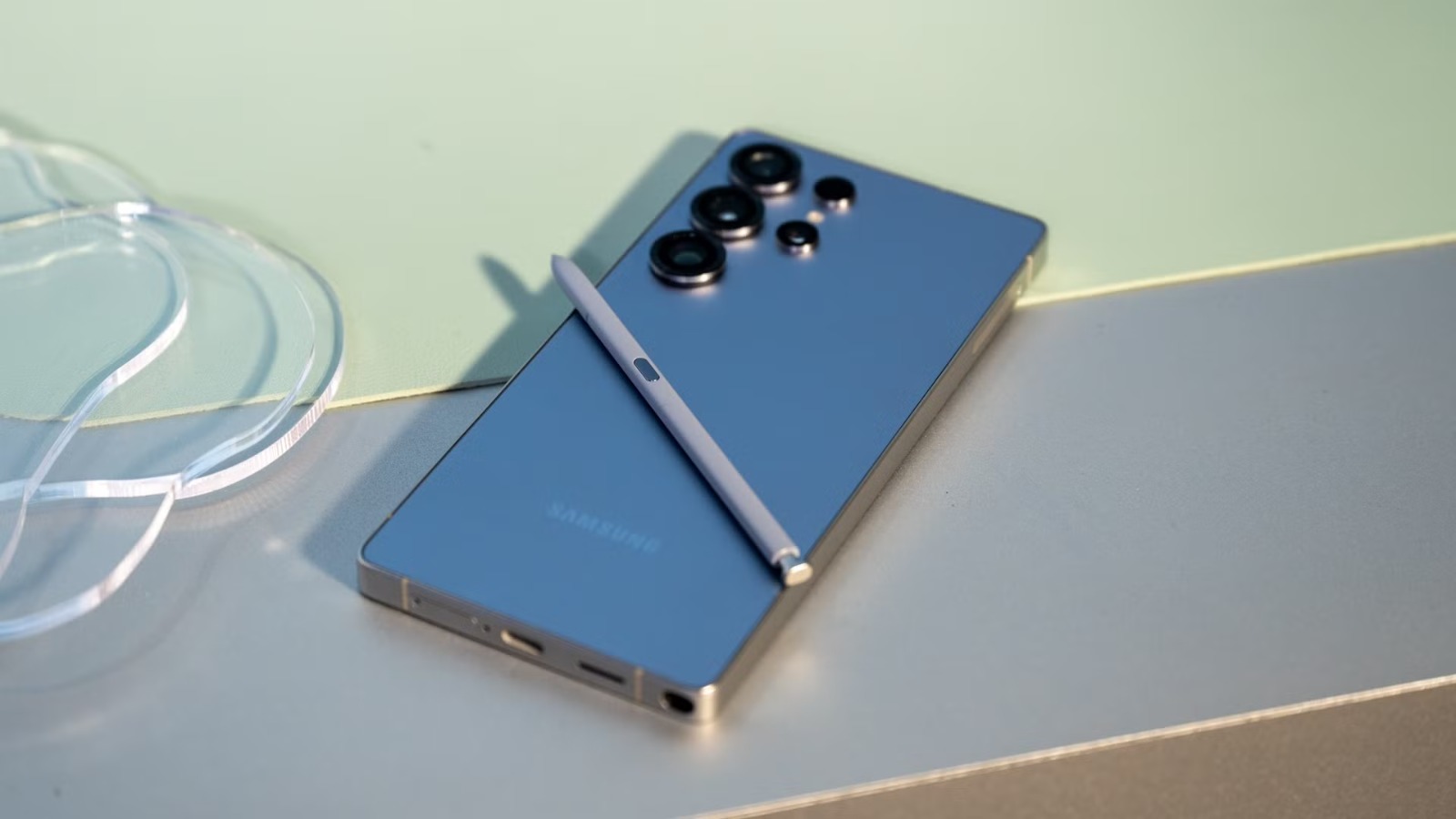
Samsung Galaxy S25 and S25 FE See Significant Price Cuts
Samsung's Galaxy S25 and Galaxy S25 FE smartphones are currently available at notably reduced prices, with the S25 FE dropping $201 (33%) to $449 on Woot for a limited time. The price reductions come amid a competitive smartphone market and ahead of anticipated future Samsung releases. The discounts make previously premium-priced devices more accessible to budget-conscious consumers.

Anthropic Disables Fable 5 and Mythos 5 AI Models Globally After US Government Export Control Order
Anthropic has suspended all public access to its two most advanced AI models, Fable 5 and Mythos 5, after the US Commerce Department issued an export control directive ordering the company to block foreign nationals from accessing them on national security grounds. The order came just three days after Fable 5's public launch and reportedly stems from government concerns about a potential jailbreak that could enable the models to assist with cyberattacks, though Anthropic says it received only verbal evidence of a narrow, non-universal vulnerability. The shutdown affects all customers globally — including enterprise users and Anthropic employees — and marks a significant escalation of US efforts to restrict foreign access to advanced AI models themselves, rather than just the chips that power them.

Xbox Free Play Days Offers Three Games Free to Play June 11–14
Microsoft's Xbox Free Play Days program is offering Hell Let Loose, State of Decay 2: Juggernaut Edition, and Blasphemous 2 at no cost from June 11 to June 14. Hell Let Loose requires an Xbox Game Pass Ultimate, Premium, or Essential membership, while State of Decay 2 and Blasphemous 2 (via a five-hour timed trial) are accessible to all Xbox console owners. Players who wish to keep any of the games can purchase them at a limited-time discount and retain any achievements earned during the free period.