Indonesia President Prabowo Defends Frequent Overseas Trips as Diplomatic Strategy
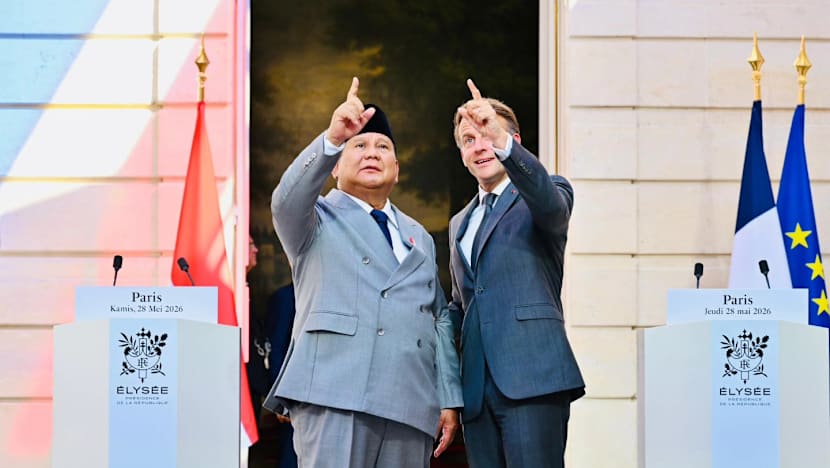
Indonesian President Prabowo Subianto pushed back against criticism of his 54 overseas trips to 29 countries in under two years in office, far exceeding the travel records of his predecessors. He invoked Indonesia's longstanding 'free and active' non-alignment foreign policy, arguing that maintaining good relations with all nations — including both Russia and the United States — serves the national interest. The controversy has intensified amid a record-low Indonesian rupiah and new legislation raising concerns about political interference in the central bank.
President Prabowo Subianto on June 10 defended his extensive overseas travel for the second time in recent months, framing it as economic diplomacy and a reflection of Indonesia's 'bebas dan aktif' (free and active) foreign policy principle, first articulated in 1948. According to public travel records and a timeline infographic of his trips, Prabowo has made 54 overseas visits covering 29 countries since taking office in late 2024, with Malaysia visited five times and France four times — a pace far exceeding predecessor Joko Widodo's 16 state visits and Susilo Bambang Yudhoyono's 10 trips in their respective first full years. Critics, including former deputy foreign minister Dino Patti Djalal, have questioned whether the frequency aligns with diplomatic priorities and fiscal responsibility, particularly after reports that Prabowo's delegation booked 27 hotel rooms in Paris at an estimated cost of over US$325,000. The government has countered that the France trip alone generated US$3.5 billion in commercial deals, and Cabinet Secretary Teddy Indra Wijaya stated that expenses beyond state budget allocations are personally absorbed by the president. The debate has sharpened following the Indonesian rupiah hitting a record low above 18,000 per dollar on June 4, and parliament's passage of legislation expanding Bank Indonesia's mandate in ways that have alarmed investors about potential political interference with monetary policy. Prabowo is next expected to travel to Russia on June 17 for the Russia-ASEAN Summit in Kazan.
Data: Indonesian Presidential Office / CNA Graphics
What's missing
Independent verification of the claimed US$3.5 billion in commercial deals from the France trip — including deal structures, timelines, and whether similar valuations have been achieved from other trips — is absent, making it difficult to assess the overall return on investment of Prabowo's travel program.
What different sources said
- Channel NewsAsiaCenter
‘One enemy is too many’: Indonesia President Prabowo hits back at criticism of overseas trips
Related
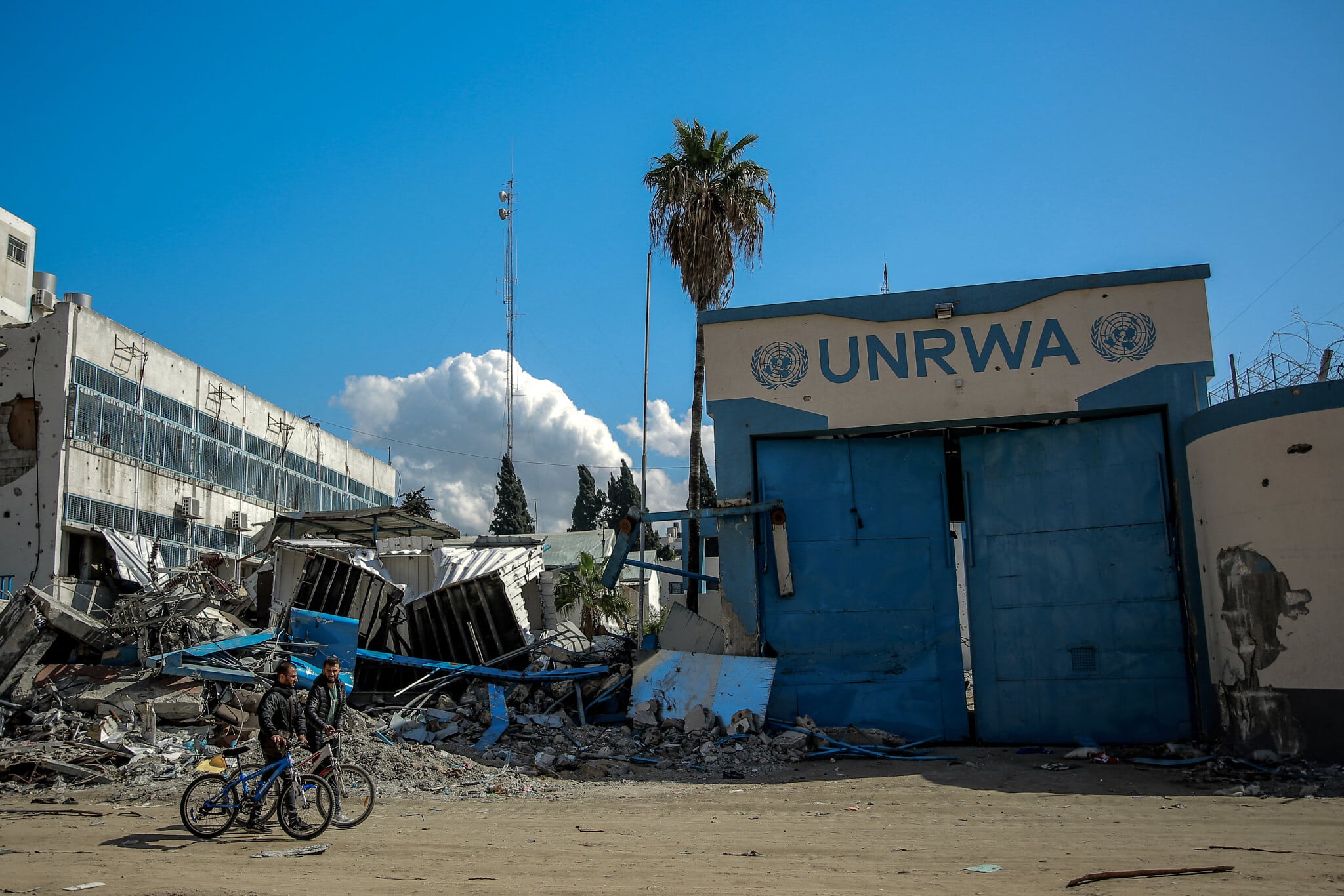
UNRWA Fires 70 Gaza Staff Members, Denies Terminations Validate Hamas Allegations
The UN agency for Palestinian refugees, UNRWA, has dismissed 70 employees in Gaza with immediate effect, citing safety and security risks. The move follows a USAID investigation that referred over 100 UNRWA staff for suspension or dismissal, and longstanding Israeli allegations that significant portions of the agency's workforce have ties to Hamas. The firings mark a significant but contested step in addressing accusations that have dogged the agency since the October 7, 2023 attacks, while UNRWA insists the dismissals are not an admission of guilt.
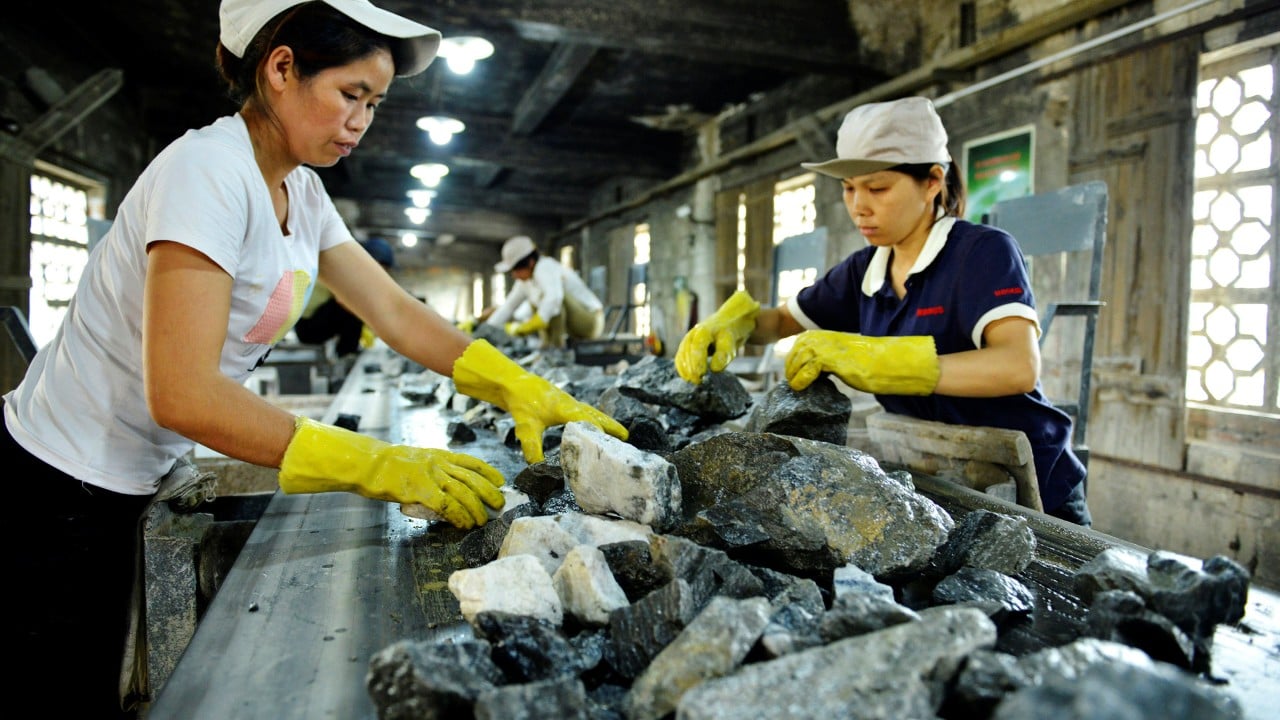
China's Tungsten Export Controls Ripple Through Global Supply Chains, From AI Chips to Weapons
China's 2025 export restrictions on tungsten have triggered price surges, potential production halts at Japanese semiconductor gas manufacturers, and a push to revive domestic mining in the United States. Tungsten, of which China produces over 78 percent of global supply, is critical to both advanced AI chipmaking and military munitions. The disruptions are exposing deep vulnerabilities in Western and Asian supply chains for a material with few short-term substitutes.

Rain Delays Start of India vs Afghanistan 1st ODI in Dharamshala
Persistent drizzle has delayed the toss and cast doubt over the first ODI between India and Afghanistan at the Himachal Pradesh Cricket Association Stadium in Dharamshala. The meteorological department issued an orange alert for June 12 warning of thunderstorms and hail across parts of Himachal Pradesh, with a 60–70% chance of showers forecast throughout the day. The delay threatens what would have been a historically significant match — the first-ever bilateral ODI series between the two nations.