India's Legal Framework for Removing Road and Public Space Encroachments

Indian civic authorities have established legal procedures for removing unauthorized structures like ramps, kiosks, and extensions from public roads and footpaths through anti-encroachment drives. The rules vary by road type—national highways follow the Control of National Highways Act 2002, while state and city roads have their own regulations, with penalties ranging from ₹500 to ₹10,000 depending on jurisdiction. These procedures matter because they balance property rights with public access, and recent Supreme Court rulings now require a 15-day notice period and video documentation before demolition to prevent arbitrary enforcement.
Indian authorities conduct periodic anti-encroachment drives to remove structures occupying public land without permission, with legal procedures varying by road classification. National highways are governed by the Control of National Highways Act 2002, which requires prior written permission for any occupation and allows authorities to remove temporary structures like kiosks without notice if necessary, with penalties up to ₹500 per square meter. State and city roads follow local regulations—for example, Uttar Pradesh's Revenue Code 2006 imposes penalties of ₹500 to ₹10,000 and potential personal bonds up to ₹15,000, while Delhi divides responsibility among multiple agencies (MCD, PWD, NDMC, DDA) based on road width. A 2023 Delhi High Court ruling directed a ₹10,000 on-spot fine for illegal food stalls, and the Supreme Court's 2022 judgment established nationwide protections requiring a 15-day notice period and video documentation of demolitions to prevent arbitrary enforcement.
What different sources said
- Times of IndiaCenter
House ramps & road encroachments: When can authorities issue notices or order demolition?
Related

Karnataka's Yadgir District Completes 96.27% Voter Mapping in Electoral Roll Revision Process
Deputy Commissioner Rahul Pandve announced that 96.27% of voters in Yadgir district, Karnataka have been mapped as part of the Election Commission of India's Special Intensive Revision (SIR) process. The mapping compares 2002 electoral rolls with 2025 rolls to identify discrepancies, with 10,14,221 voters identified out of 10,53,496 eligible voters. The remaining untraced voters will be verified through a structured process culminating in a final voters' list publication on October 7.

Trinamool MP Sushmita Dev Resigns from Party, Meets Assam Chief Minister
Trinamool Rajya Sabha MP Sushmita Dev resigned from all party posts and met with Assam Chief Minister Himanta Biswa Sarma, becoming the second senior party member to quit this week. Dev, a 53-year-old former Congress leader who joined Trinamool in 2021, cited an "Assam connection" when questioned about the meeting. The resignations follow a major internal rebellion where 58 Trinamool MLAs defied party leadership over the Leader of Opposition position, signaling deepening organizational turmoil after the party's recent electoral defeat.
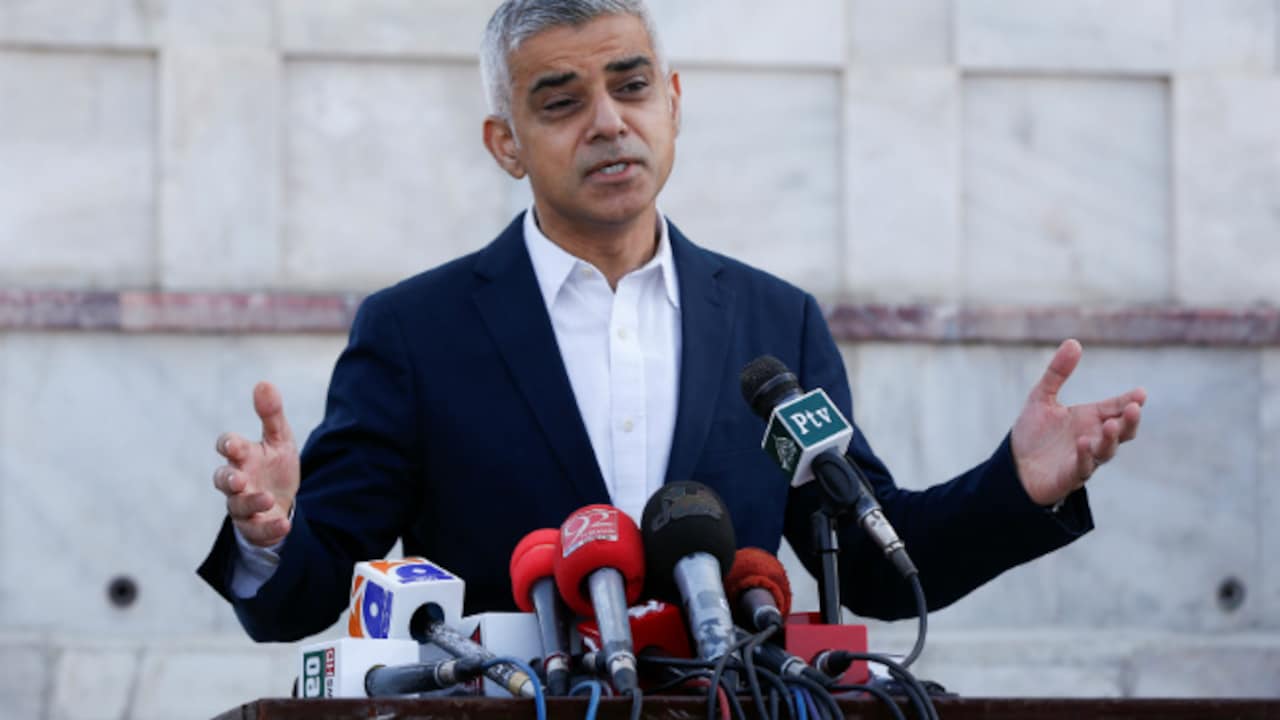
Palantir Prepares Legal Challenge to London Mayor's Cancellation of £50 Million Police Contract
Palantir has notified London Mayor Sadiq Khan's office that it plans to challenge the cancellation of a £50 million contract with the Metropolitan Police in court. Khan's office halted the deal in May, citing procurement process failures and concerns that proper procedures were not followed before the contract advanced. The dispute reflects broader scrutiny of Palantir's UK government contracts, including a £330 million NHS agreement currently under government review.