India's Home Minister Announces Potential AFSPA Withdrawal from Northeast by Next Year
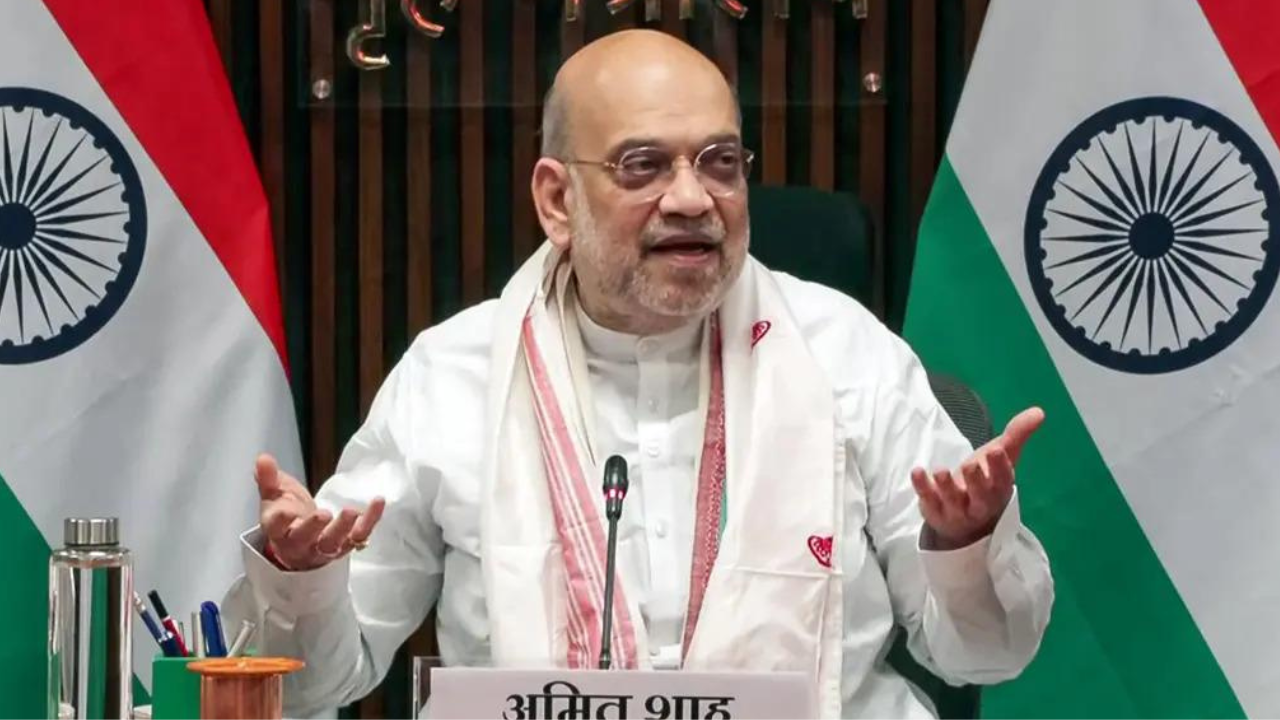
Union Home Minister Amit Shah declared on June 11, 2026, that the Armed Forces (Special Powers) Act will be withdrawn from all but one or two northeastern states by next year. His remarks came at the signing of a tripartite MoU between the Centre, Assam, and Nagaland for joint oil and mineral exploration in the long-disputed Assam-Nagaland border zone. The announcement signals a significant shift in India's security posture in the northeast, where AFSPA has been a source of controversy for decades.
Home Minister Amit Shah made the AFSPA rollback announcement on the sidelines of a tripartite MoU signing involving the central government, Assam, and Nagaland, aimed at resuming oil and mineral exploration in the disputed area belt along their shared border — a process stalled for over three decades due to jurisdictional disputes. Shah cited 12 peace accords signed since 2019, an 80% reduction in violent incidents, and an 80% shrinkage in the area covered under AFSPA as evidence of improved security conditions. He did not name the states where AFSPA would remain, but Manipur and Nagaland are widely considered the most likely candidates; AFSPA currently applies in parts of Manipur, Nagaland, Assam, and Arunachal Pradesh. On the economic front, Shah said the MoU could increase extraction capacity from 1,000–1,500 barrels per day by tenfold, with potential recoveries exceeding ₹15,000 crore from a single field, and could reduce India's dependence on foreign oil. He described the agreement as the best example of cooperative federalism and credited Prime Minister Modi's sustained focus on northeastern development.
What's missing
Neither source specifies a legislative or administrative mechanism or timeline for the AFSPA withdrawal, nor do they address whether affected state governments or civil society groups have been consulted or have responded to the announcement.
What different sources said
- The HinduCenter
Will remove AFSPA from Northeast barring one or two States next year: Shah
- Times of IndiaCenter
Amit Shah announces potential AFSPA rollback next year
Related

Workers Begin Removing Trump's Name from Kennedy Center Facade After Court-Ordered Deadline
Workers started stripping President Trump's name from the exterior of the Kennedy Center in Washington overnight Friday into Saturday, hours past a court-ordered deadline of 11:59 p.m. Friday. The delay was attributed to nearby thunderstorms, and the Kennedy Center's board sought a 12-hour extension, which U.S. District Judge Christopher Cooper had already denied after rejecting the board's last-minute attempt to halt the order. The removal marks a significant legal rebuke of the Trump administration's effort to rename the historic performing arts venue, with a court ruling that only Congress has the authority to change the Kennedy Center's name.

Hasan Piker Campaigns for DSA-Backed NYC Candidates, Sparking Debate Over Democratic Party Direction
Twitch streamer Hasan Piker rallied in Brooklyn for two Democratic Socialist of America-endorsed congressional candidates ahead of New York's June 23 primary, declaring the country is 'closer than ever' to socialism. The appearances come amid a broader debate within the Democratic Party over whether to embrace or distance itself from Piker, whose pro-Palestinian views and provocative statements have made him a polarizing figure. The controversy highlights a growing tension between the party's centrist establishment and its increasingly left-leaning base, particularly on foreign policy.
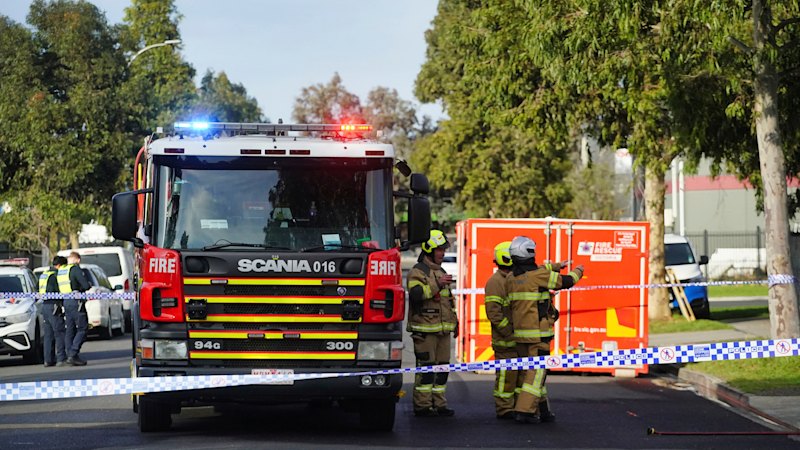
Fire Rescue Victoria Has Missed Emergency Response Targets Every Year Since 2020, With Outer Suburbs Worst Affected
Fire Rescue Victoria (FRV) has failed to meet its target of responding to 90 per cent of structural fires within seven minutes and 42 seconds in every year since its formation in 2020, with outer suburban areas recording the worst performance. The shortfall has come into sharp focus following the death of three-year-old Jordan Dashwood in a Werribee house fire this month, where the nearest FRV truck was committed to another incident and the first responders arrived well outside the benchmark time. The findings raise serious questions about whether the 2020 fire services restructure has been adequately resourced to protect Melbourne's rapidly growing outer suburbs.