India's Higher Gold Tariffs Fuel Smuggling Surge, Industry Officials Warn

India's doubling of gold import tariffs to 15% in May has triggered a resurgence in smuggling, with industry officials warning illegal imports could exceed 100 tonnes in 2026. The government raised tariffs to reduce demand and ease pressure on the rupee, but smugglers can now offer discounts exceeding $200 per ounce—far more than legitimate importers can match. The shift threatens billions in lost tariffs and sales tax revenue while making India's grey market increasingly competitive.
India, the world's second-largest gold market after China, more than doubled its gold import tariffs to 15% in May 2024 as part of efforts to curb demand, reduce the trade deficit, and ease pressure on the rupee. However, the policy has created significant opportunities for smugglers, who can now offer prices that legitimate importers and banks cannot compete with. Industry officials and bullion dealers report that grey market discounts have exceeded $200 per ounce—more than 4% below official prices—while banks struggle to offer even $10 discounts. Multiple dealers predict illegal gold imports could surpass 100 tonnes in 2026, worth approximately $14.35 billion at current prices and representing roughly $2.65 billion in lost tariffs and sales tax. The resurgence highlights an unintended consequence of tariff policy: by widening the price gap between legal and illegal channels, the government has inadvertently incentivized smuggling networks.
What's missing
The article does not provide historical context on smuggling volumes before the May 2024 tariff increase, making it difficult to assess the magnitude of the 'resurgence' claim. Additionally, no information is given on enforcement efforts, penalties for smuggling, or government responses to the predicted surge.
What different sources said
- South China Morning PostCenter
Gold smugglers ‘make a killing’ in India as grey market outshines hefty tariffs
Related
U.S. Markets Stage Rebounds Following Chip Stock Selloff
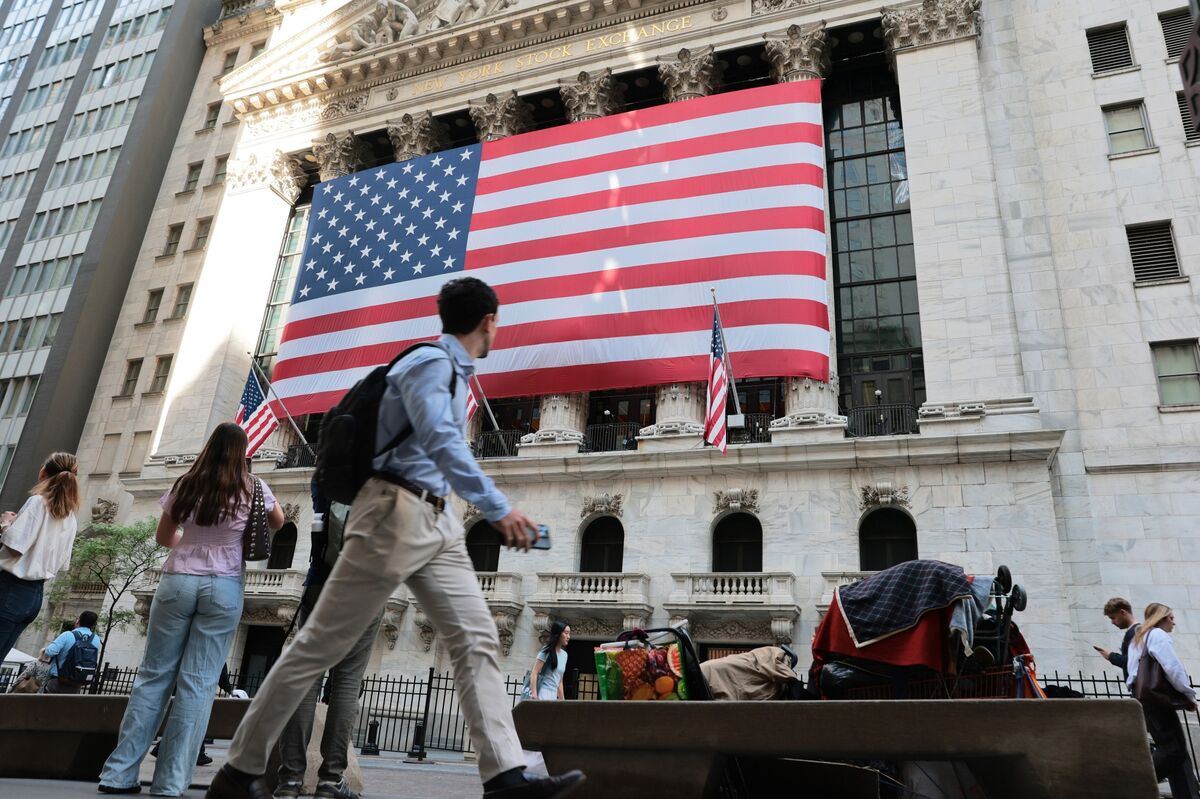
U.S. markets have rebounded twice following a dramatic Friday selloff in chip stocks, with gains at Monday's open and Tuesday afternoon. The Nasdaq 100 remains down 4.25% for the month despite the recoveries, and volatility has increased sharply. The pattern reflects the market's traditional 'buy the dip' behavior as investors resist giving up recent gains.
Japan's 30-Year Bond Auction Sees Weakest Demand in Over a Year
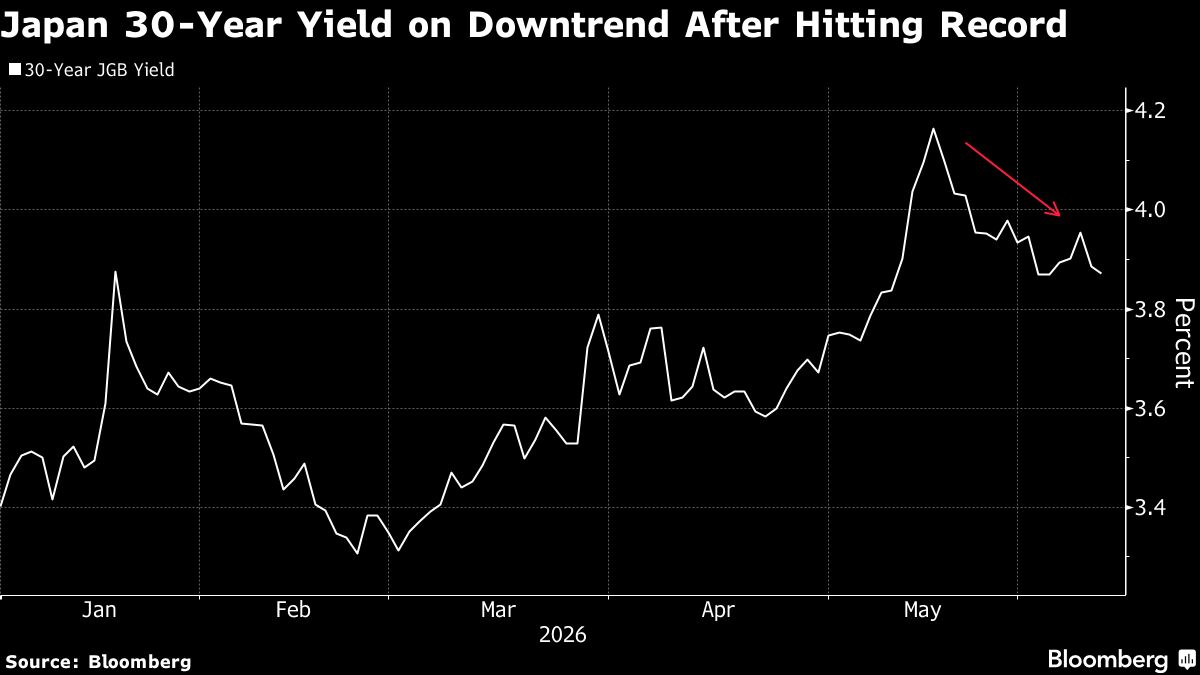
Japan's 30-year government bond auction on June 10, 2026 attracted the weakest demand since June 2025, with a bid-to-cover ratio of 2.94 compared to the previous 3.49. The decline reflects investor concerns over inflation and fiscal policy, as well as falling yields reducing appetite for the bonds. Weak bond demand can signal investor anxiety about Japan's economic outlook and fiscal sustainability.
HKEx CEO Bonnie Chan Calls Potential SpaceX Listing an 'Exciting Deal'
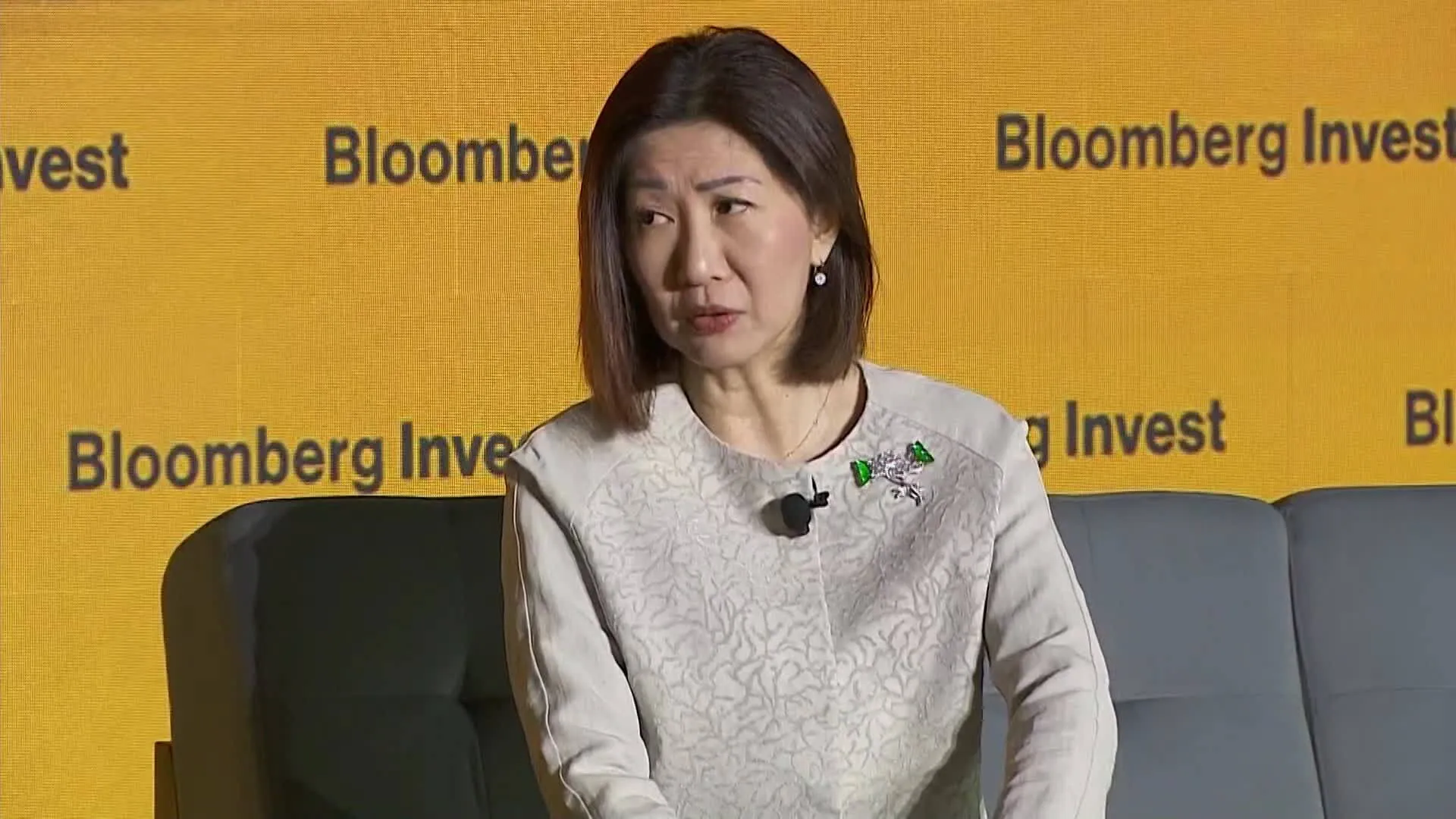
Hong Kong Exchanges and Clearing (HKEx) CEO Bonnie Chan expressed enthusiasm about a potential SpaceX listing, describing it as an exciting opportunity. Chan highlighted that Chinese supply chains have broad coverage relevant to such a deal. The statement suggests HKEx's interest in attracting major space industry companies to its exchange.