India's Foreign Minister Defends Russian Oil Purchases, Cites US Encouragement and European Weapon Sales to India's Adversaries
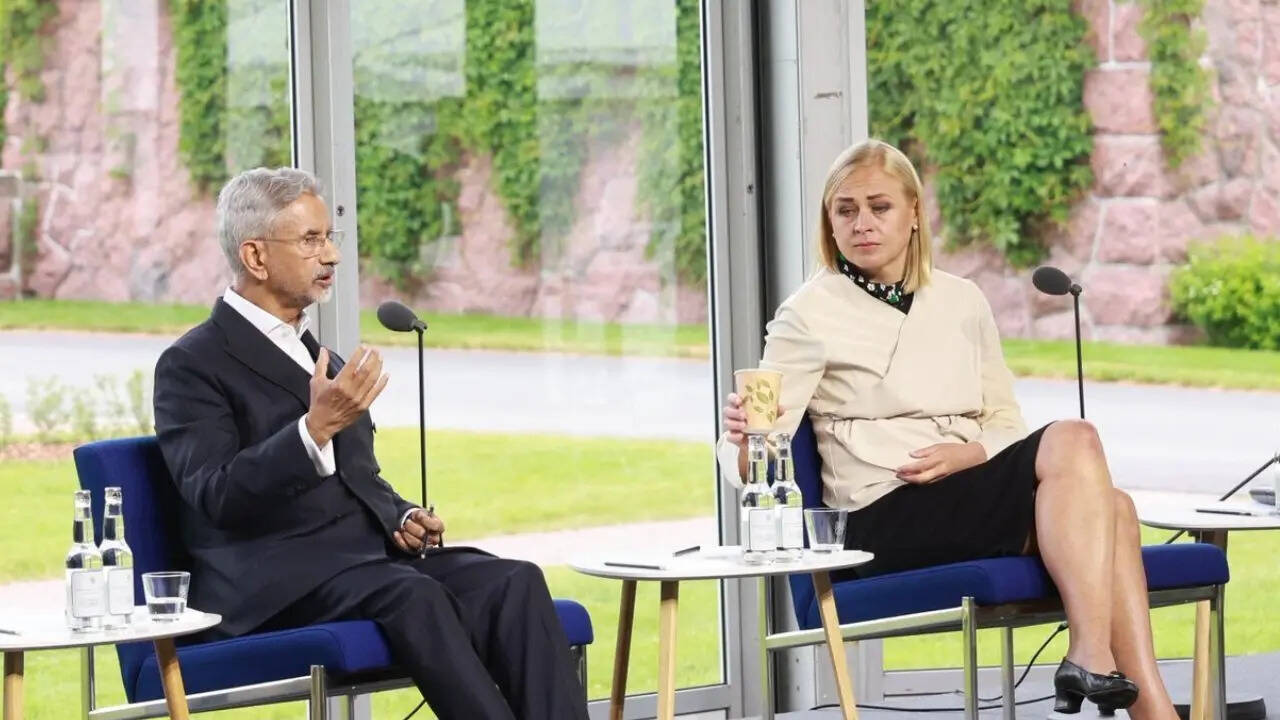
Indian External Affairs Minister S. Jaishankar, speaking at the Kultaranta Talks in Helsinki, defended India's purchase of Russian oil by revealing that the United States itself asked India to buy Russian crude in 2022 to stabilize global energy markets. He also pushed back against European criticism by asserting that European countries have long sold weapons used to attack India, while India has never endangered Europe. The remarks highlight India's assertive posture on energy sovereignty and expose what New Delhi sees as Western double standards on Russia policy.
Speaking at a conference in Helsinki hosted by Finnish President Alexander Stubb, Indian Foreign Minister S. Jaishankar forcefully defended India's energy and foreign policy decisions in the face of Western criticism. He disclosed that in 2022, the United States directly asked India to purchase Russian oil in order to stabilize global markets after European sanctions disrupted supply chains, and noted that India had not been a significant buyer of Russian crude before the Ukraine war. Jaishankar criticized the US for subsequently imposing tariffs on India for buying Russian oil and then lifting sanctions, calling the shifting positions inconsistent and dismissing the notion that any firm principle guided Western policy. He also turned the tables on European critics, stating that European nations have sold weapons that have been used to attack India for many years, while India has never done anything to endanger Europe — though he did not specify which weapons or conflicts he was referring to. India currently sources nearly 40% of its oil from Russia, while the United States has become its largest gas supplier as of early 2026. Jaishankar framed India's energy decisions as driven purely by cost, availability, and national interest, rejecting characterizations of the purchases as geopolitically motivated or overly sympathetic to Moscow.
What's missing
Jaishankar did not specify which European countries or which conflicts he was referring to when alleging that European weapons have been used to attack India, and no source clarifies this. Additionally, no source provides independent corroboration or denial from US officials regarding Jaishankar's claim that Washington explicitly asked India to buy Russian oil in 2022.
How coverage differed
All outlets reported the core facts consistently, but Deutsche Welle added a notable editorial caveat absent from Indian sources, observing that 'it was unclear what weapons sales or attacks Jaishankar was referring to' when he accused Europe of selling arms used against India — a qualification that Indian outlets like Times of India and NDTV did not include.
What different sources said
- NDTVCenter
'US Asked Us To Buy Russian Oil, Levied Tariff, Then Lifted It': S Jaishankar
- Times of IndiaCenter
'Europeans sell weapons used to attack India': Jaishankar clears New Delhi's stance on Russian oil
- BloombergCenter
India Bought Russian Oil From 2022 on US Request, Minister Says
- FirstpostCenter
'Europe sells weapons which are used to attack India': Jaishankar hits back over Russia-Ukraine stance
- Deutsche WelleCenter
India news: FM blasts Europe criticism of buying Russian oil
- India TodayCenter
Imports under the price cap: Finland Minister defends India's Russian oil buys
Related
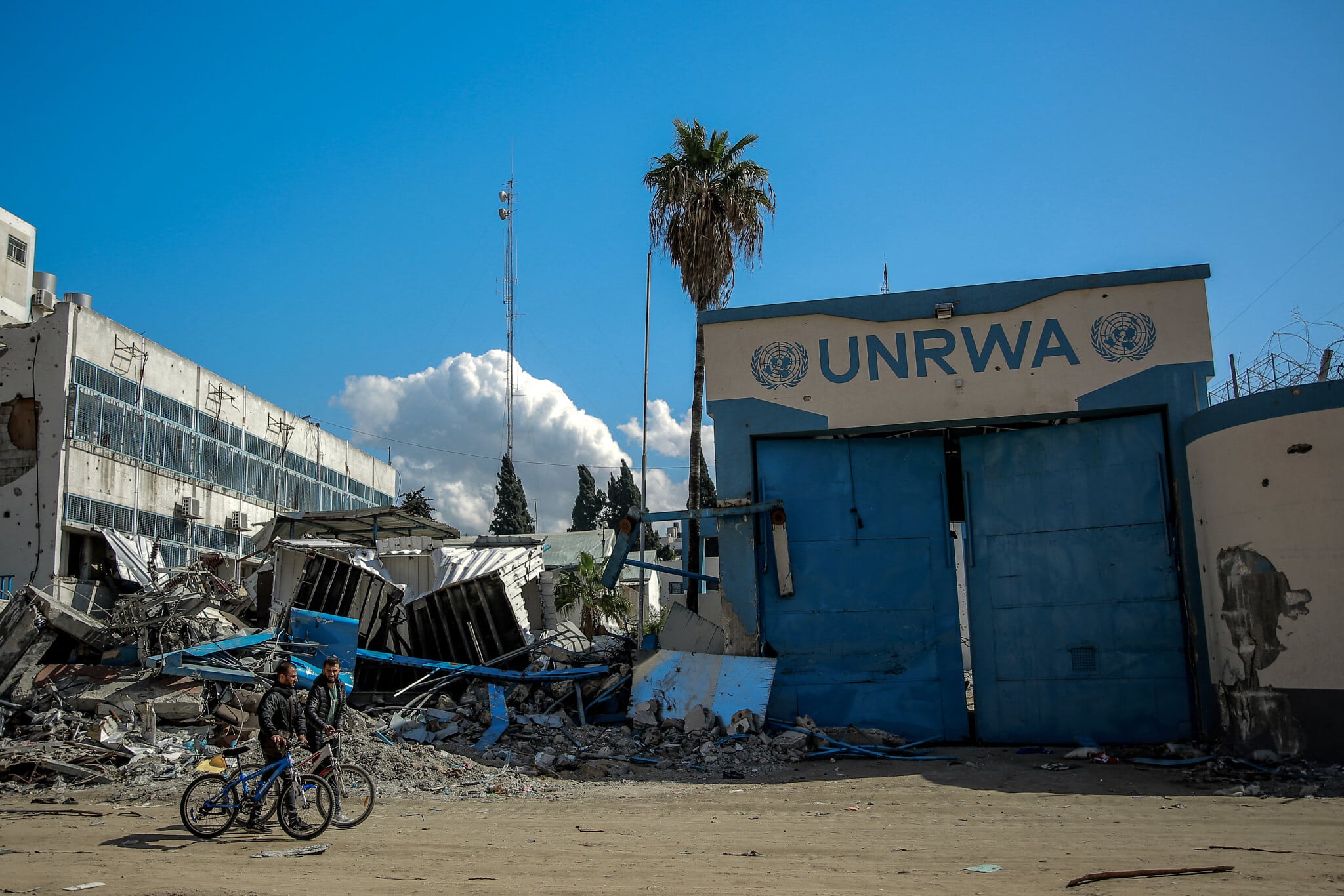
UNRWA Fires 70 Gaza Staff Members, Denies Terminations Validate Hamas Allegations
The UN agency for Palestinian refugees, UNRWA, has dismissed 70 employees in Gaza with immediate effect, citing safety and security risks. The move follows a USAID investigation that referred over 100 UNRWA staff for suspension or dismissal, and longstanding Israeli allegations that significant portions of the agency's workforce have ties to Hamas. The firings mark a significant but contested step in addressing accusations that have dogged the agency since the October 7, 2023 attacks, while UNRWA insists the dismissals are not an admission of guilt.
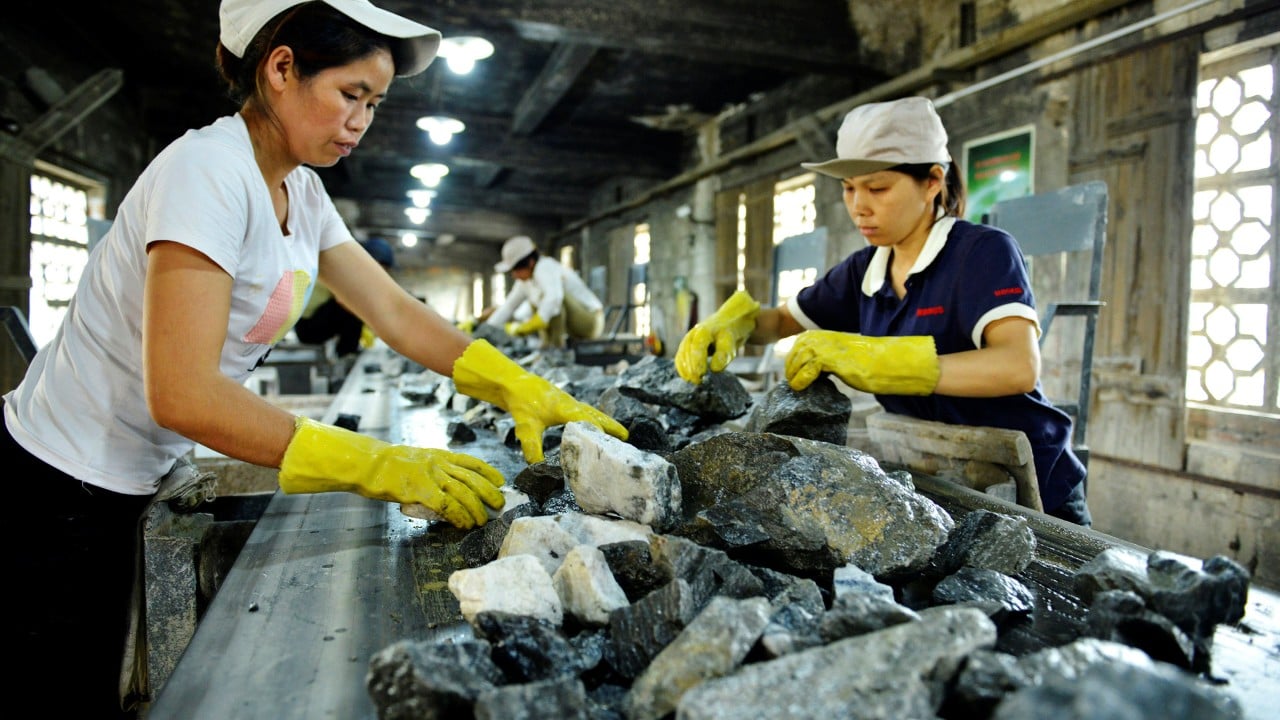
China's Tungsten Export Controls Ripple Through Global Supply Chains, From AI Chips to Weapons
China's 2025 export restrictions on tungsten have triggered price surges, potential production halts at Japanese semiconductor gas manufacturers, and a push to revive domestic mining in the United States. Tungsten, of which China produces over 78 percent of global supply, is critical to both advanced AI chipmaking and military munitions. The disruptions are exposing deep vulnerabilities in Western and Asian supply chains for a material with few short-term substitutes.

Rain Delays Start of India vs Afghanistan 1st ODI in Dharamshala
Persistent drizzle has delayed the toss and cast doubt over the first ODI between India and Afghanistan at the Himachal Pradesh Cricket Association Stadium in Dharamshala. The meteorological department issued an orange alert for June 12 warning of thunderstorms and hail across parts of Himachal Pradesh, with a 60–70% chance of showers forecast throughout the day. The delay threatens what would have been a historically significant match — the first-ever bilateral ODI series between the two nations.