India Suspends Indus Waters Treaty, Pledges to Stop Water Flow to Pakistan
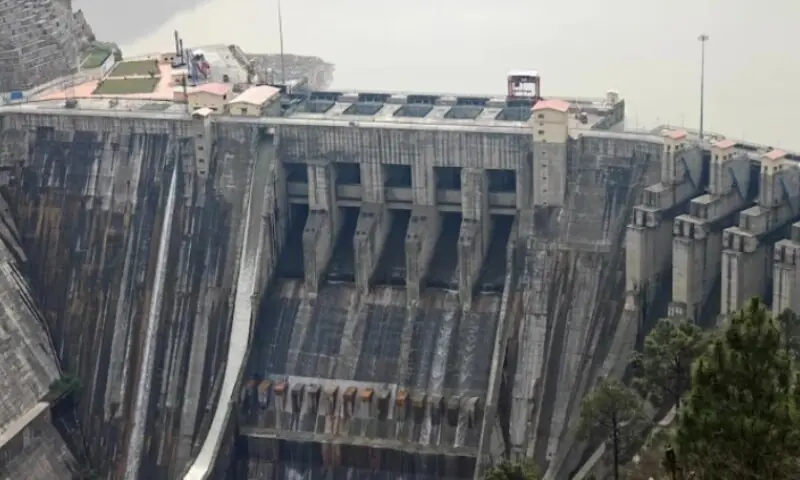
Indian Water Minister CR Patil declared that India is actively working to ensure 'not a single drop' of Indus river water reaches Pakistan in the coming years. The statement follows India's suspension of the 1960 Indus Waters Treaty after the April 2025 Pahalgam terror attack and a subsequent four-day military conflict between the two nuclear-armed neighbors. The pledge escalates an already volatile dispute over a water system that hundreds of millions of people depend on, though experts caution that India currently lacks the infrastructure to fully block flows.
Indian Water Minister CR Patil stated on June 9, 2026 that under Prime Minister Narendra Modi's directives — and with Home Minister Amit Shah personally monitoring the matter — India is working in a 'time-bound manner' to prevent any Indus basin water from crossing into Pakistan. India placed the 1960 Indus Waters Treaty in abeyance in May 2025, following the Pahalgam attack on tourists in Indian-administered Kashmir, which New Delhi blamed on Pakistan — a charge Islamabad denied. The two countries subsequently fought a four-day conflict involving drone, missile, and artillery exchanges that killed nearly 70 people on both sides. India has also rejected the authority of the Court of Arbitration constituted under the treaty, calling its proceedings 'null and void,' particularly regarding disputes over the Kishenganga and Ratle hydropower projects. Pakistan has warned that any attempt to alter cross-border water flows would constitute an 'act of war' and has urged the UN Security Council to intervene, citing grave humanitarian and security consequences. However, independent experts note that India's existing dams can only regulate the timing of water releases rather than fully block or divert flows, and that any new infrastructure capable of significant diversion could not begin before mid-2027 and would take at least five additional years to complete. Pakistan is already experiencing severe water shortages, with Karachi reportedly facing supply disruptions affecting roughly 70 percent of the city.
What's missing
The articles do not detail what legal or diplomatic options Pakistan is actively pursuing beyond UN Security Council appeals, nor do they specify the World Bank's current role, as the Bank was the original broker of the 1960 treaty and has historically served as a mediator in disputes.
How coverage differed
Times of India gave additional prominence to India's domestic political framing, including Amit Shah's monitoring role and Pakistan's Karachi water crisis, while Dawn — a Pakistani outlet — emphasized Pakistan's 'act of war' warning and its appeal to the UN Security Council, reflecting each outlet's national perspective on the dispute.
What different sources said
- Times of IndiaCenter
Indus Waters Treaty: Centre says Pakistan won't get 'a single drop' in coming years
- Channel NewsAsiaCenter
India says it is working to stop water flowing into Pakistan
- DawnCenter
India ‘actively working’ to deprive Pakistan of water
Related
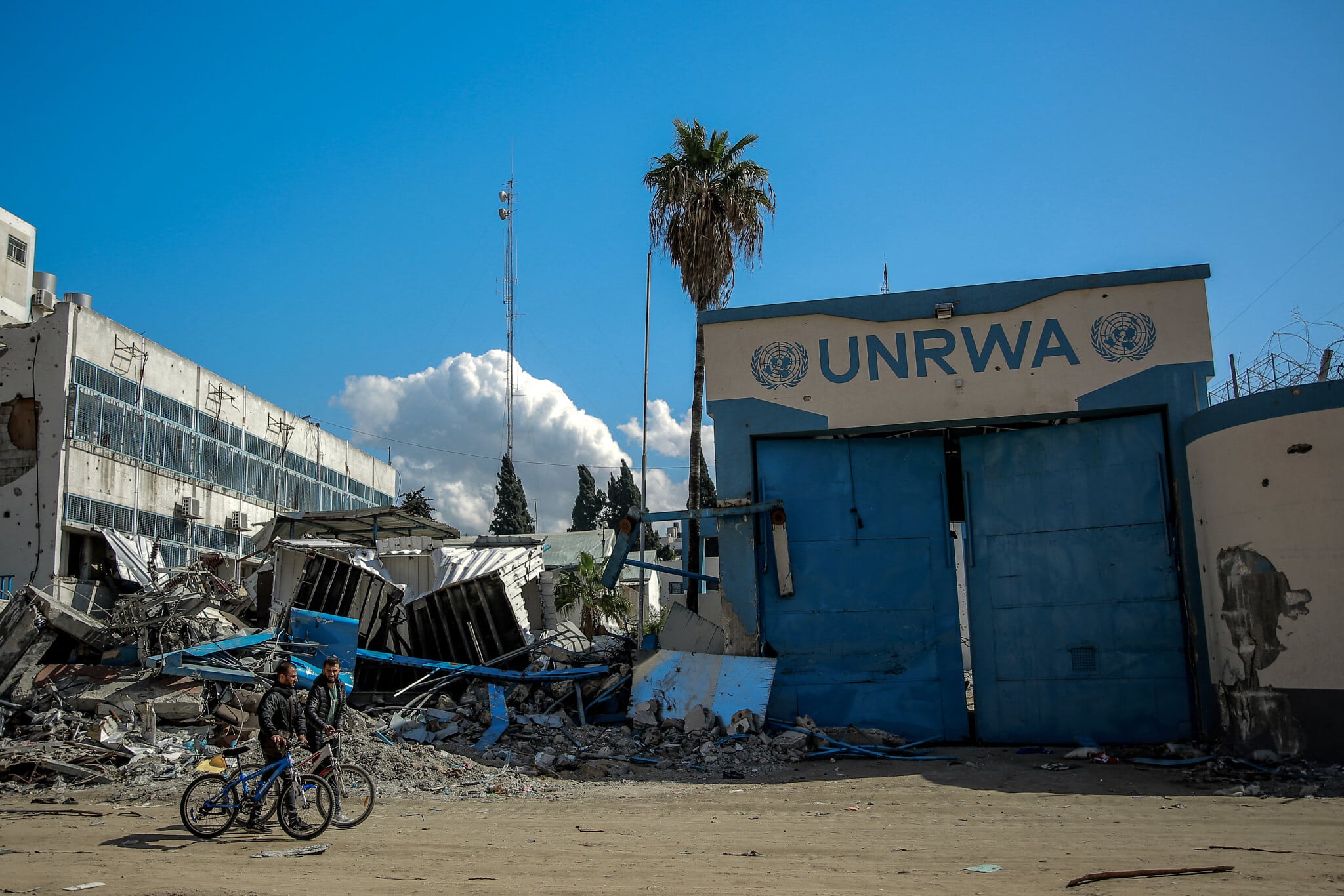
UNRWA Fires 70 Gaza Staff Members, Denies Terminations Validate Hamas Allegations
The UN agency for Palestinian refugees, UNRWA, has dismissed 70 employees in Gaza with immediate effect, citing safety and security risks. The move follows a USAID investigation that referred over 100 UNRWA staff for suspension or dismissal, and longstanding Israeli allegations that significant portions of the agency's workforce have ties to Hamas. The firings mark a significant but contested step in addressing accusations that have dogged the agency since the October 7, 2023 attacks, while UNRWA insists the dismissals are not an admission of guilt.
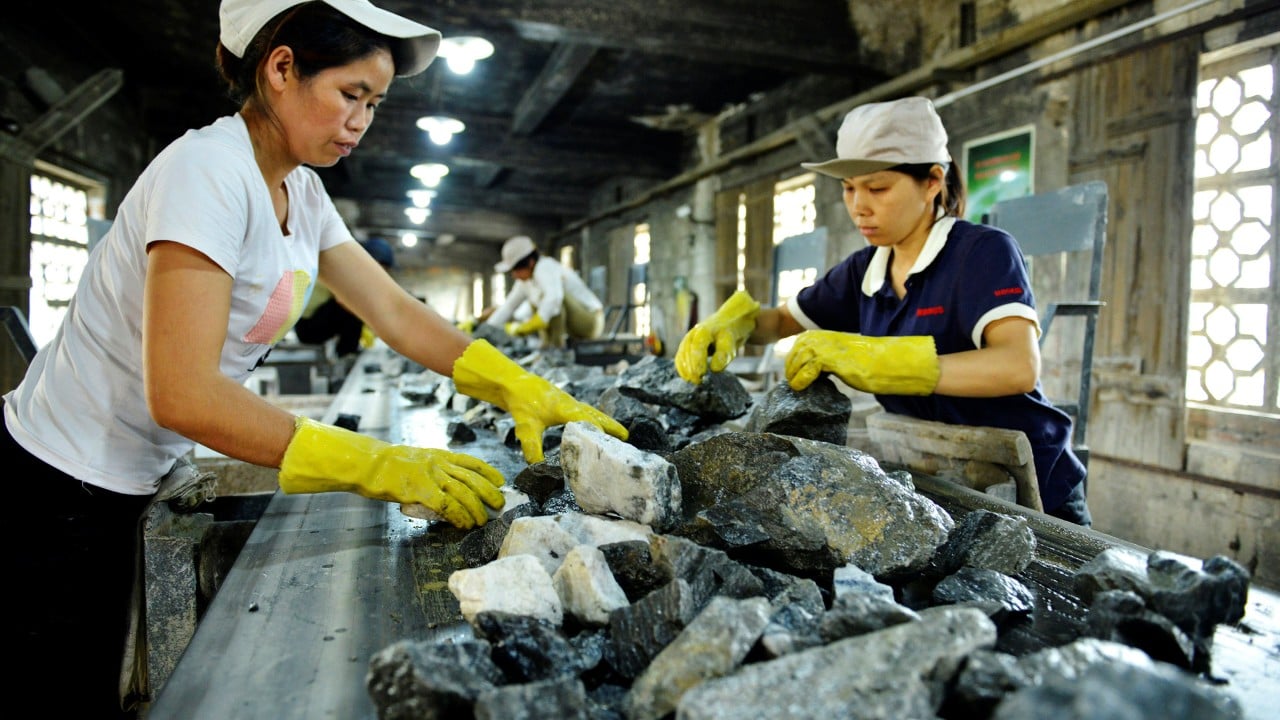
China's Tungsten Export Controls Ripple Through Global Supply Chains, From AI Chips to Weapons
China's 2025 export restrictions on tungsten have triggered price surges, potential production halts at Japanese semiconductor gas manufacturers, and a push to revive domestic mining in the United States. Tungsten, of which China produces over 78 percent of global supply, is critical to both advanced AI chipmaking and military munitions. The disruptions are exposing deep vulnerabilities in Western and Asian supply chains for a material with few short-term substitutes.

Rain Delays Start of India vs Afghanistan 1st ODI in Dharamshala
Persistent drizzle has delayed the toss and cast doubt over the first ODI between India and Afghanistan at the Himachal Pradesh Cricket Association Stadium in Dharamshala. The meteorological department issued an orange alert for June 12 warning of thunderstorms and hail across parts of Himachal Pradesh, with a 60–70% chance of showers forecast throughout the day. The delay threatens what would have been a historically significant match — the first-ever bilateral ODI series between the two nations.