India Signs Tripartite MoU on Oil Exploration in Assam-Nagaland Border Region
The governments of India, Assam, and Nagaland signed a tripartite MoU on June 11, 2026, to resume oil and gas exploration in the Disputed Area Belt along their shared border, ending nearly three decades of stalled activity. The agreement covers more than 1,000 square kilometres of contested territory believed to hold substantial hydrocarbon and mineral reserves, with officials projecting a tenfold increase in current extraction capacity of 1,000–1,500 barrels per day. However, the Naga National Political Groups have declared the deal illegal, warning they will resist any extraction until a broader Indo-Naga political settlement is reached.
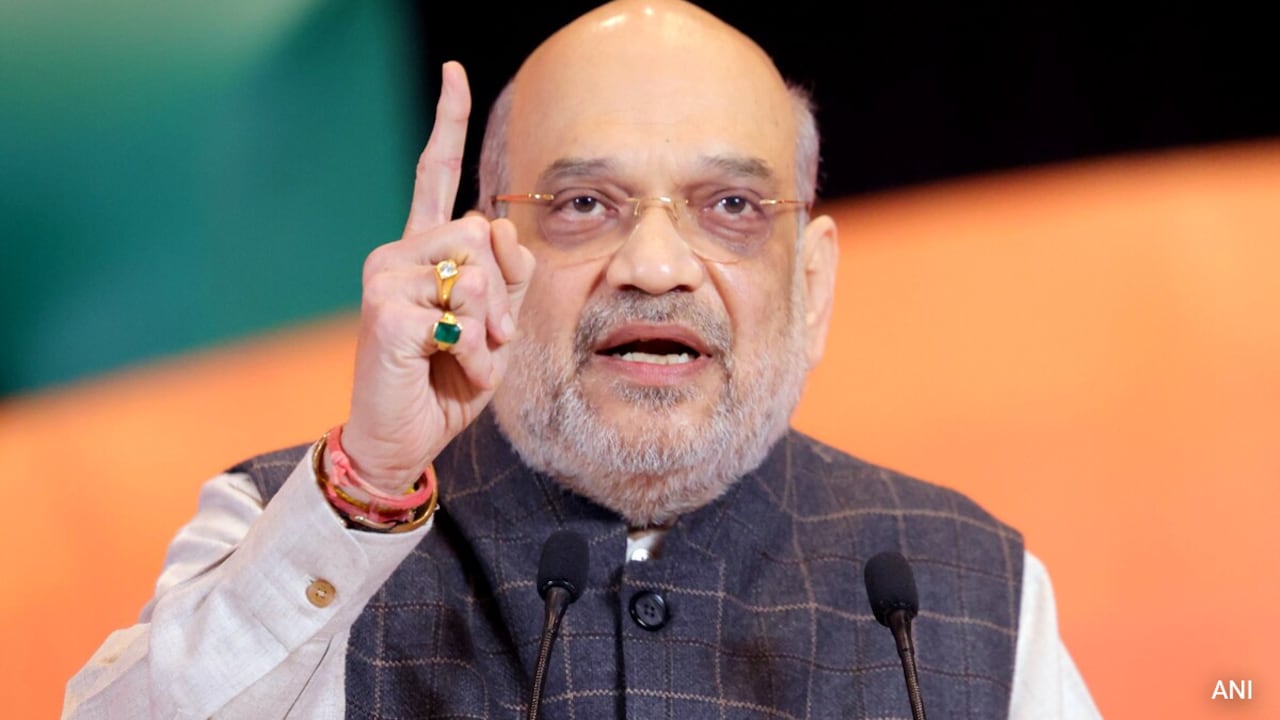
Signed at the Ministry of Home Affairs in New Delhi in the presence of Union Home Minister Amit Shah, Petroleum Minister Hardeep Singh Puri, Assam Chief Minister Himanta Biswa Sarma, and Nagaland Chief Minister Neiphiu Rio, the MoU aims to unlock hydrocarbon and mineral resources in a belt where exploration had been frozen since the mid-1990s due to jurisdictional disputes, extremism, and local opposition. Shah described the agreement as a 'historic moment' and an example of cooperative federalism, claiming that recoverable value in a single field could exceed Rs 15,000 crore and that the deal supports India's broader goal of energy self-reliance, given that the country currently imports more than 88% of its crude oil needs. Shah also announced that AFSPA could be withdrawn from all but one or two northeastern states by next year, citing an 80% drop in violent incidents since 2019 and a corresponding 80% reduction in areas covered by the act. The Assam Tribune noted that tensions in the region had persisted as recently as early 2025, when Nagaland-based groups threatened to shut down an ONGC drilling station and forced a relocation of drilling operations. The Working Committee of the Naga National Political Groups swiftly condemned the MoU, arguing that a 2017 Agreed Position with the Centre reserves resource legislation to a post-settlement Naga parliament, making any prior extraction illegal and a betrayal of Naga interests. The conglomerate also questioned why Nagaland should share oil revenue with Assam when Assam had not historically shared its own oil revenue with Nagaland, and warned it would resist extraction 'peacefully or otherwise.'
What's missing
The articles do not clarify the precise legal or administrative mechanism by which the MoU resolves the underlying boundary dispute, or whether the Disputed Area Belt's territorial status has been formally adjudicated. The timeline and structure for actual exploration operations — including which companies will be involved and under what revenue-sharing formula — are also not specified.
How coverage differed
NDTV, Times of India, and The Assam Tribune largely framed the MoU as a developmental and diplomatic achievement, foregrounding government statements and projections. The Hindu gave significantly more weight to opposition from Naga extremist groups, detailing their legal arguments and threats, providing a more contested picture of the agreement's prospects.
What different sources said
- The Assam TribuneCenter
Assam, Nagaland sign oil pact on disputed belt after decades of deadlock
- Times of IndiaCenter
Amit Shah announces potential AFSPA rollback next year; groundbreaking MoU paves way for energy self-reliance
- NDTVCenter
'Boost For Oil Exploration': Amit Shah On Agreement With Assam, Nagaland
- The HinduCenter
Assam border oil exploration before ‘Indo-Naga’ political settlement is illegal: Naga extremist groups
Related
UNRWA Fires 70 Gaza Staff Members, Denies Terminations Validate Hamas Allegations
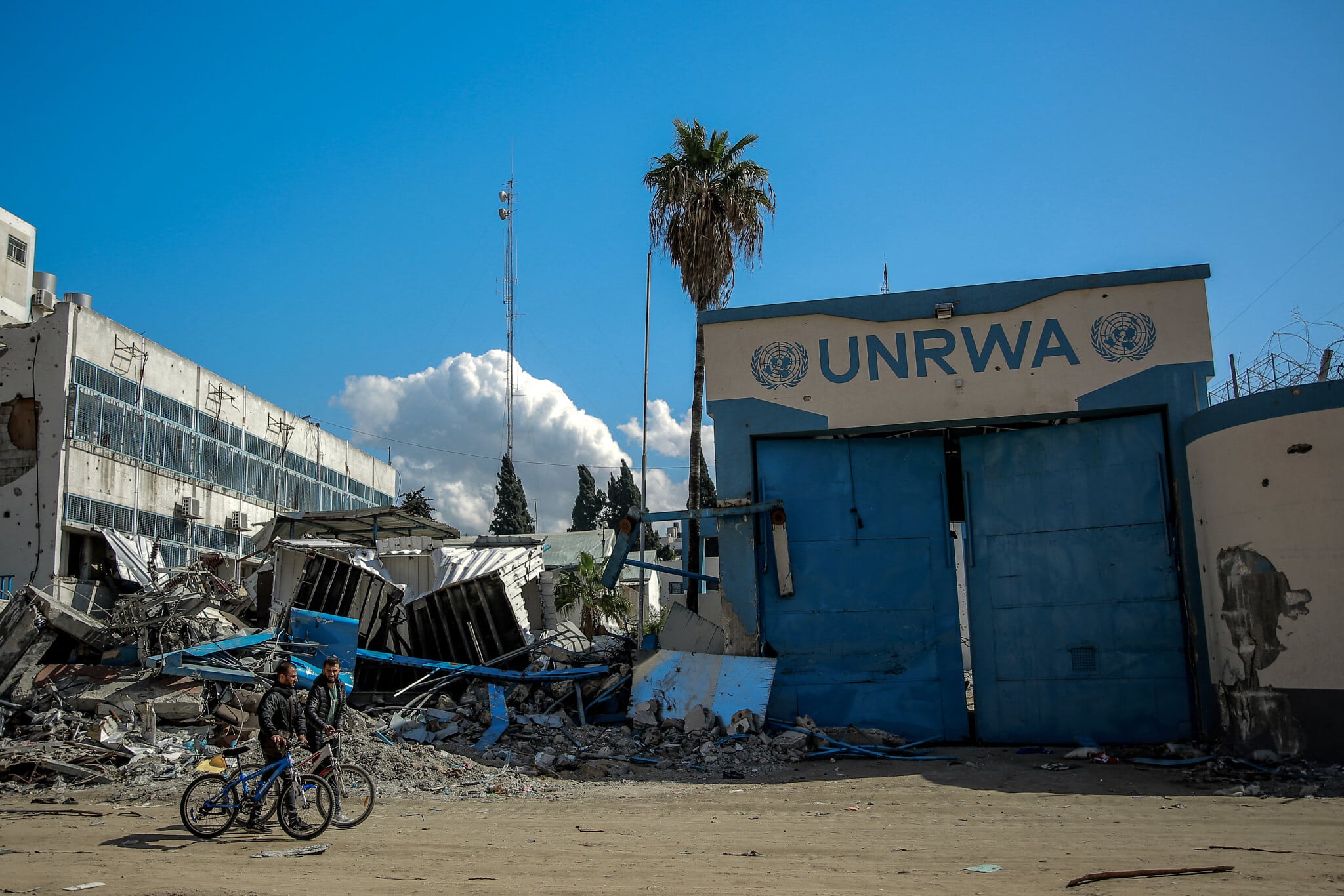
The UN agency for Palestinian refugees, UNRWA, has dismissed 70 employees in Gaza with immediate effect, citing safety and security risks. The move follows a USAID investigation that referred over 100 UNRWA staff for suspension or dismissal, and longstanding Israeli allegations that significant portions of the agency's workforce have ties to Hamas. The firings mark a significant but contested step in addressing accusations that have dogged the agency since the October 7, 2023 attacks, while UNRWA insists the dismissals are not an admission of guilt.
China's Tungsten Export Controls Ripple Through Global Supply Chains, From AI Chips to Weapons
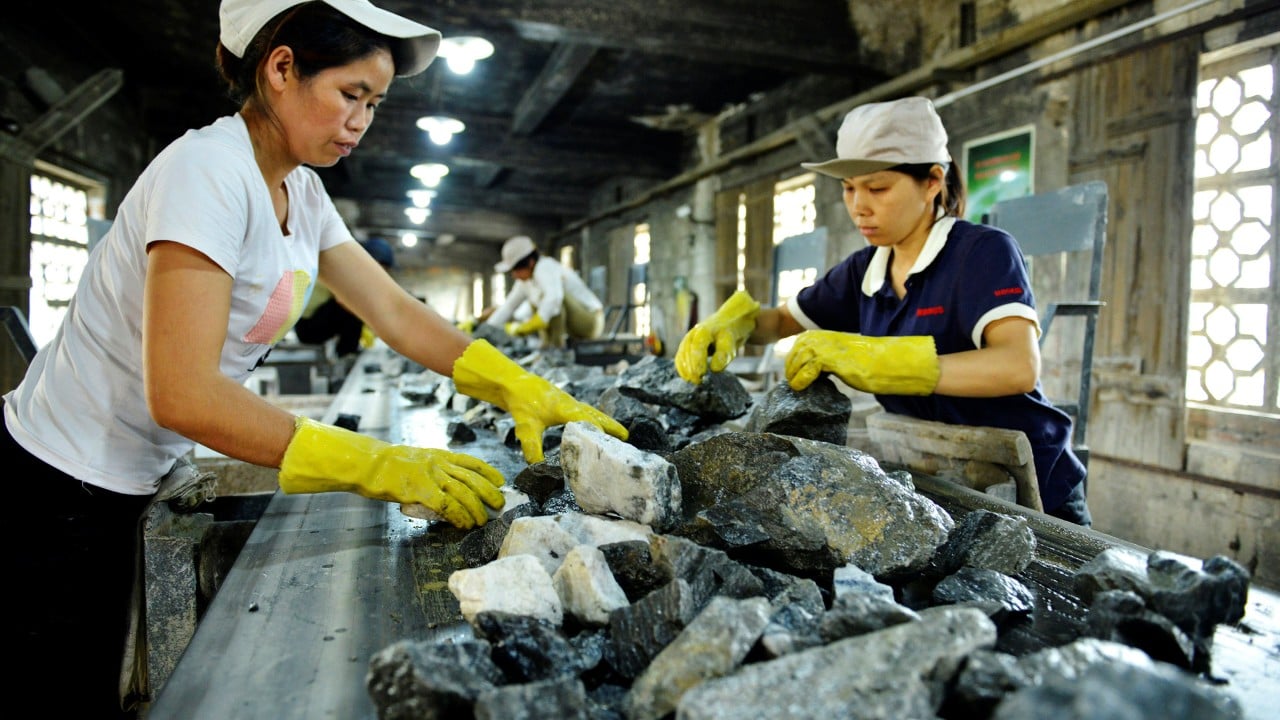
China's 2025 export restrictions on tungsten have triggered price surges, potential production halts at Japanese semiconductor gas manufacturers, and a push to revive domestic mining in the United States. Tungsten, of which China produces over 78 percent of global supply, is critical to both advanced AI chipmaking and military munitions. The disruptions are exposing deep vulnerabilities in Western and Asian supply chains for a material with few short-term substitutes.

Rain Delays Start of India vs Afghanistan 1st ODI in Dharamshala
Persistent drizzle has delayed the toss and cast doubt over the first ODI between India and Afghanistan at the Himachal Pradesh Cricket Association Stadium in Dharamshala. The meteorological department issued an orange alert for June 12 warning of thunderstorms and hail across parts of Himachal Pradesh, with a 60–70% chance of showers forecast throughout the day. The delay threatens what would have been a historically significant match — the first-ever bilateral ODI series between the two nations.