INDIA Opposition Bloc Holds Strategy Meeting to Strengthen Unity Against BJP

Leaders of India's opposition INDIA bloc met in New Delhi on June 8, 2026, to forge unity and revise their strategy against the ruling BJP government. The meeting included top figures such as Congress leaders Sonia Gandhi and Rahul Gandhi, along with chiefs from regional parties including TMC, Samajwadi Party, and others. The gathering aims to consolidate opposition strength ahead of the 2029 elections and address shared concerns about constitutional protections and economic challenges.
Opposition INDIA bloc leaders convened in New Delhi on June 8, 2026, to strengthen their alliance and coordinate strategy against the BJP government. The meeting brought together Congress chairperson Sonia Gandhi, Leader of the Opposition Rahul Gandhi, Congress president Mallikarjun Kharge, and chiefs of regional parties including Mamata Banerjee (TMC), Akhilesh Yadav (Samajwadi Party), Omar Abdullah (J&K Chief Minister), and Uddhav Thackeray (Shiv Sena UBT, attending virtually). Congress chief Kharge highlighted the bloc's successful unified stand on April 17, 2026, when opposition parties defeated the government's delimitation bills, and called for strengthening that solidarity. Key concerns raised included alleged misuse of investigative agencies against political opponents, constitutional threats, economic stagnation affecting job creation, and examination system failures impacting youth. Party leaders emphasized the importance of collective decision-making and safeguarding democratic values as they prepare for the 2029 elections.
What different sources said
- The HinduCenter
INDIA bloc meeting: Opposition leaders seek unity, deliberate to redraw strategy
Related
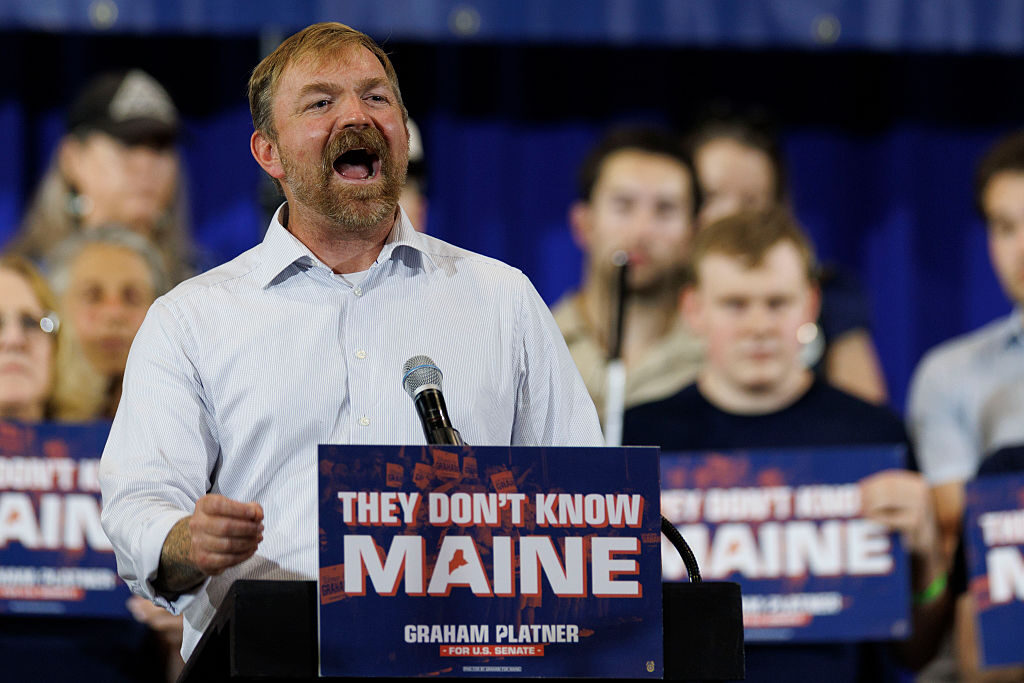
Halfway Through 2026 Primary Season: Six Key Takeaways from Congressional Races
Four more states held primaries this week, bringing the total to 26 states that have completed regular congressional primaries in the 2026 midterm cycle. Key patterns emerging include front-runners not always winning, House members struggling to advance to statewide office, and President Trump's endorsement record remaining largely successful despite low approval ratings. These trends are shaping the competitive landscape for the general election.
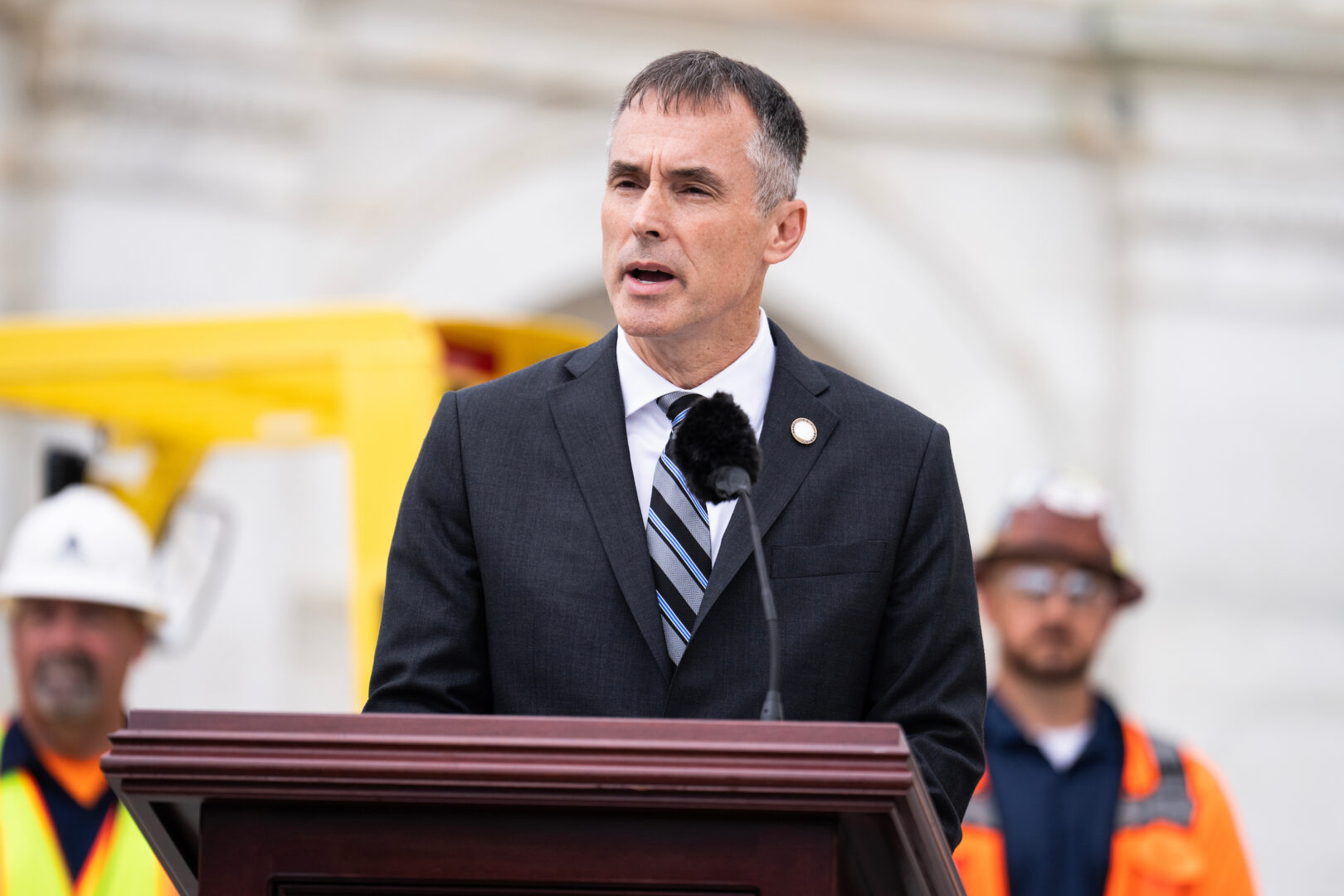
Congress Struggles to Build Support for $9 Billion Rayburn House Office Building Renovation
The Architect of the Capitol is pushing for a major renovation of the Rayburn House Office Building, which could cost $9 billion and last until 2045, but lawmakers remain hesitant to commit to the project. The building, constructed in 1965, is experiencing serious deterioration including 16 major leaks in the past year alone and risks of catastrophic system failure. The challenge reflects a broader political difficulty: Congress has historically been reluctant to fund its own infrastructure, with legislative branch spending averaging just 0.15 percent of total budget authority since 1976.

Study Finds College Faculty Lean Significantly Left, Raising Questions About Campus Ideological Diversity
A study commissioned by the Foundation for Individual Rights and Expression found that college faculty donors have an average ideology score of -1.02, comparable to Senator Bernie Sanders's -1.14, indicating strong leftward lean among faculty. The research cross-referenced over 100,000 faculty members with campaign contribution data, and separate surveys found only 20% of faculty believed a conservative scholar would be welcome in their department. The findings raise concerns about ideological diversity in higher education and its potential influence on student political attitudes.