India Maintains Fastest Growth Among Major Economies Amid Global Slowdown

Prime Minister Narendra Modi chaired the 11th NITI Aayog Governing Council meeting on June 11, 2026, with chief ministers from all 28 states attending — a rare full-house participation not seen in recent years. The meeting, themed 'Inclusive Human Development for Viksit Bharat@2047,' focused on cooperative federalism, youth skilling, women-led development, free trade agreements, and emerging sectors like AI and defence manufacturing. The full attendance, including all seven opposition-ruled states, marks a notable shift from years of boycotts and signals broader political consensus around India's development agenda.
The 11th NITI Aayog Governing Council meeting, held at the Rashtrapati Bhavan Cultural Centre in New Delhi, achieved a historic milestone as chief ministers from all 28 states participated, including those from all seven opposition-ruled states such as Tamil Nadu, Karnataka, Kerala, Telangana, Jharkhand, Himachal Pradesh, and Jammu and Kashmir. This stands in sharp contrast to previous years, when as many as 10 chief ministers were absent in 2024 and nine in 2023, often due to political differences with the Centre. PM Modi used the occasion to highlight India's resilience amid global economic headwinds, noting that the World Bank projects India's GDP growth at 6.6% for fiscal year 2026-27, making it the world's fastest-growing major economy even as global growth slows to 2.5% — its weakest since the Covid-19 pandemic — partly due to the Middle East conflict disrupting energy markets. Modi emphasised leveraging recently signed free trade agreements to boost MSMEs and exports, called for transforming India's demographic dividend of nearly 700 million people under 25 into a development dividend through education and skilling, and urged states to scale up women-led development initiatives including doubling the number of Lakhpati Didis from 3 crore to 6 crore. He also flagged emerging priorities including defence manufacturing, data centres, artificial intelligence, water conservation amid El Niño conditions, and district-level aspirational development frameworks. Following the meeting, the chief ministers of Uttar Pradesh, Tamil Nadu, Karnataka, Telangana, and Jammu and Kashmir held individual meetings with the Prime Minister.
What's missing
The sources do not explain what specific commitments or outcomes, if any, were agreed upon by the Centre and states at the meeting. The reasons why opposition chief ministers chose to attend this year — after years of boycotts — are not addressed.
How coverage differed
Most outlets reported the meeting's substance and the full-attendance milestone in broadly similar terms. India Today and Moneycontrol placed greater emphasis on the political significance of opposition chief ministers' attendance and the historical pattern of boycotts, framing it as a political story, while The Hindu and NDTV focused more on the policy substance of PM Modi's address and the cooperative federalism theme.
What different sources said
- NDTVCenter
"States Play Vital Role In National Progress": PM Modi At NITI Aayog Meet
- India TodayCenter
Rare full house at NITI Aayog as all 28 CMs join PM Modi-led meeting
- Times of IndiaCenter
India retains growth edge with 6.6% growth, World Bank forecasts; cuts global outlook
- The HinduCenter
India continues to move forward on its growth trajectory amid global uncertainty: PM Modi at NITI Aayog meeting
- Moneycontrol.comCenter
PM Modi-led NITI Aayog meet breaks past trend of boycotts with full CM attendance
Related

Workers Begin Removing Trump's Name from Kennedy Center Facade After Court-Ordered Deadline
Workers started stripping President Trump's name from the exterior of the Kennedy Center in Washington overnight Friday into Saturday, hours past a court-ordered deadline of 11:59 p.m. Friday. The delay was attributed to nearby thunderstorms, and the Kennedy Center's board sought a 12-hour extension, which U.S. District Judge Christopher Cooper had already denied after rejecting the board's last-minute attempt to halt the order. The removal marks a significant legal rebuke of the Trump administration's effort to rename the historic performing arts venue, with a court ruling that only Congress has the authority to change the Kennedy Center's name.
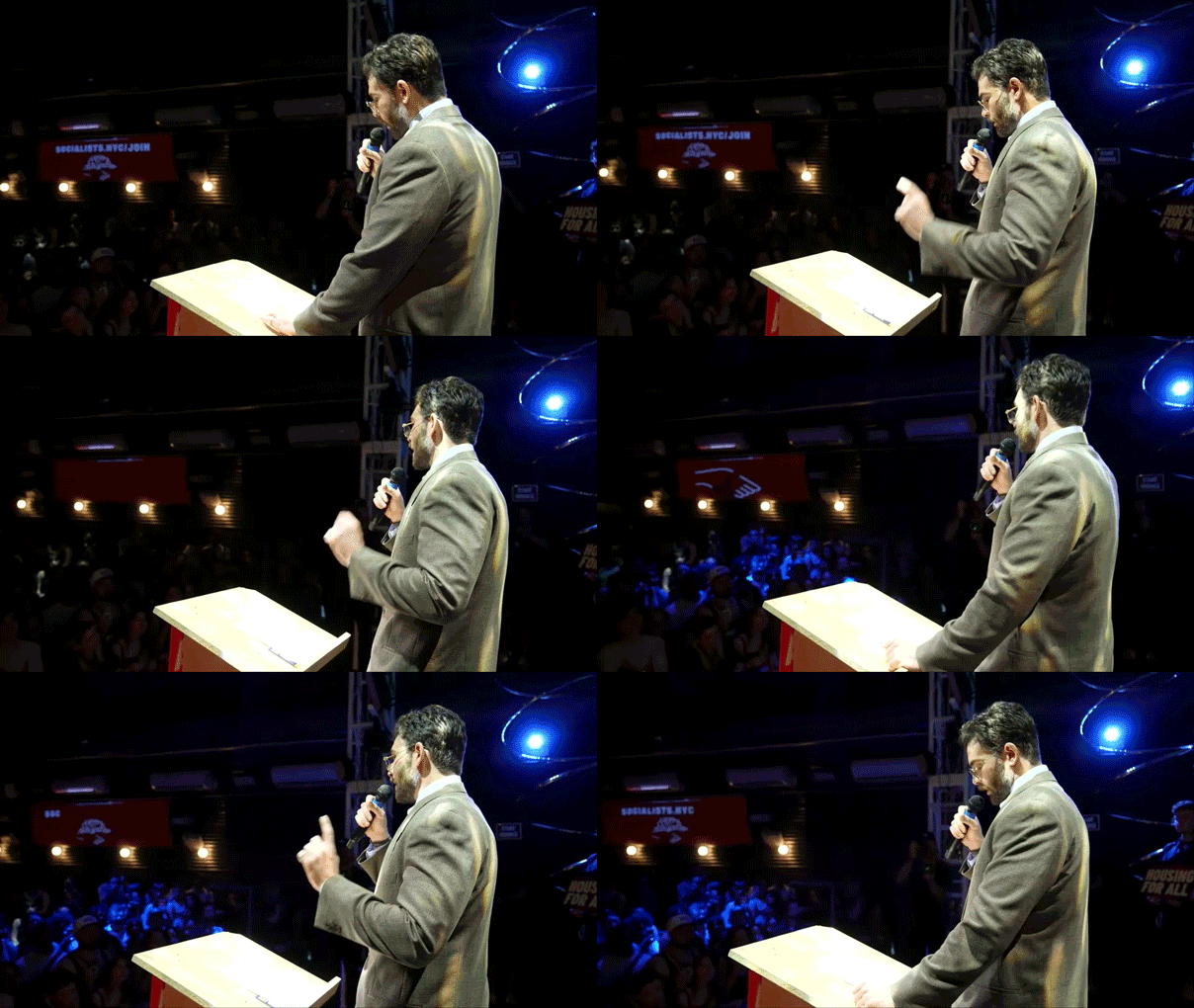
Hasan Piker Campaigns for DSA-Backed NYC Candidates, Sparking Debate Over Democratic Party Direction
Twitch streamer Hasan Piker rallied in Brooklyn for two Democratic Socialist of America-endorsed congressional candidates ahead of New York's June 23 primary, declaring the country is 'closer than ever' to socialism. The appearances come amid a broader debate within the Democratic Party over whether to embrace or distance itself from Piker, whose pro-Palestinian views and provocative statements have made him a polarizing figure. The controversy highlights a growing tension between the party's centrist establishment and its increasingly left-leaning base, particularly on foreign policy.
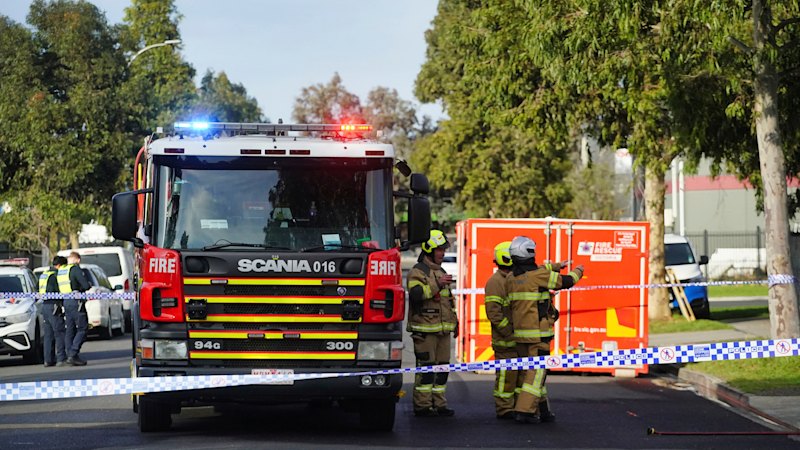
Fire Rescue Victoria Has Missed Emergency Response Targets Every Year Since 2020, With Outer Suburbs Worst Affected
Fire Rescue Victoria (FRV) has failed to meet its target of responding to 90 per cent of structural fires within seven minutes and 42 seconds in every year since its formation in 2020, with outer suburban areas recording the worst performance. The shortfall has come into sharp focus following the death of three-year-old Jordan Dashwood in a Werribee house fire this month, where the nearest FRV truck was committed to another incident and the first responders arrived well outside the benchmark time. The findings raise serious questions about whether the 2020 fire services restructure has been adequately resourced to protect Melbourne's rapidly growing outer suburbs.