ICE Acknowledges Collecting Protester Information Despite Denying Dedicated Database

A previously unpublicized April letter from then-acting ICE Director Todd Lyons to Congress acknowledges that the agency collects and retains biographic, biometric, and situational information on individuals encountered during protests — including those never arrested — while still denying the existence of a formal protester database. The letter came in response to Democratic lawmakers who asked DHS in February what data it collects on protesters, amid mounting anecdotal accounts of federal agents photographing faces and license plates of peaceful observers and threatening to add them to domestic terrorism watchlists. Civil liberties attorneys say the letter is the clearest official confirmation yet that ICE is systematically preserving records on people exercising First Amendment rights, raising significant constitutional concerns.
The April 21 letter, sent by then-acting ICE Director Todd Lyons to Rep. Maxwell Frost and 11 other Democratic members of Congress, states that ICE collects 'essential biographic and biometric information and situational details' on individuals 'reasonably believed to be involved in, or directly supporting, potential violations of federal law,' and that any such information 'is treated as an official government record' even if the person is never arrested or detained. While Lyons denied ICE maintains a 'separate, standalone database' of protesters, civil liberties lawyers at the ACLU and Protect Democracy argue the letter strongly implies that such data is being fed into existing federal systems. The disclosure follows months of accounts from observers in Maine, Minnesota, Tennessee, and other states who say agents photographed their faces and license plates, later identified them, and in some cases threatened them with placement on domestic terrorism watchlists — a characterization DHS has publicly denied. One Maine couple described receiving a threatening call from someone identifying as DHS after one partner briefly stopped to observe an ICE operation, and later being pulled aside at the Canadian border for extended questioning that appeared to reference the partner's vehicle registration. A separate story from The Intercept highlights a parallel concern: a Democratic senator has asked new DHS Secretary Markwayne Mullin to confirm the agency has not been 'infiltrated by violent extremists,' citing a Colorado law enforcement bulletin warning that DHS recruitment posts using neo-Nazi language could attract white supremacists. Multiple federal lawsuits are now challenging the government's data collection practices, and advocacy group FIRE is separately suing for access to records about any protester database.
What's missing
It remains unclear what specific legal authority ICE relies on to retain records of individuals who are encountered but not arrested, and whether any retention limits or deletion protocols apply to such records. The letter responded only on behalf of ICE and not the broader DHS, leaving open questions about data collection practices at CBP, FBI, and other agencies within or adjacent to the department. The specific watchlist programs named by Democratic lawmakers — including Bluekey, Grapevine, Hummingbird, and others — were denied by ICE but not addressed by other DHS components.
How coverage differed
NPR and The Independent both reported on the ICE letter to Congress with similar factual framing, though NPR provided more granular detail through original reporting and direct interviews with the affected Maine couple and civil liberties attorneys. The Independent leaned more heavily on the broader pattern of surveillance and included additional context about the Minnesota DHS operation and its political fallout. The Intercept focused on a distinct but related angle — alleged white nationalist infiltration of ICE — rather than the protester database letter itself, reflecting its editorial focus on government accountability and extremism.
What different sources said
- The IndependentLeft
ICE denied having a database of protesters it brands ‘domestic terrorists’ — but a letter to Congress suggests otherwise
- NPR NewsLeft
ICE denies having a protester database. But a letter to Congress sheds more light
- The InterceptLeft
ICE Should Show It Hasn’t Been “Infiltrated by Violent Extremists,” Senator Urges
Related

CIS Study: Non-Citizen Households Use Welfare at Higher Rates Than U.S.-Born Households in Nearly Every State
A new analysis by the Center for Immigration Studies found that 47% of non-citizen-headed households used at least one means-tested welfare program, compared to 28% of U.S.-born-headed households. The study drew on five years of Census Bureau data and found the gap persisted across nearly every state, with the largest disparities in New York, Massachusetts, and California. The findings reignite a long-running debate over immigration and public benefit usage, though the methodology has been contested by other researchers.

Pilot Killed in Small Plane Crash Near Twin Oaks Airpark in Washington County, Oregon
A small two-seater experimental plane crashed into a grassy field near Twin Oaks Airpark in Hillsboro, Oregon on Friday afternoon, killing its sole occupant. The crash occurred during takeoff and sparked a grass fire that spread to a nearby field before firefighters contained it. The NTSB and FAA are investigating the cause, and flights at the airpark were canceled for the remainder of the day.
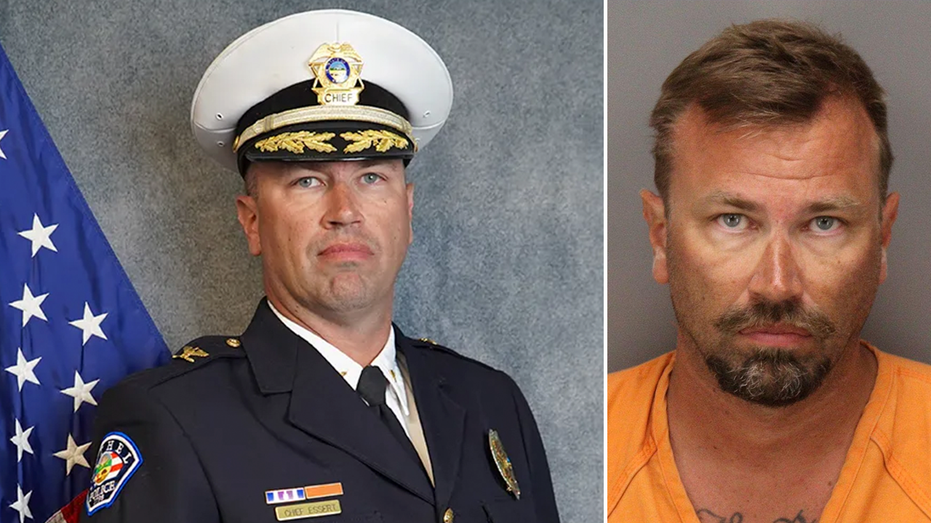
Ohio Police Chief Arrested in Florida on 70-Count Child Sex Indictment
Bethel Police Chief Chad Essert, 44, was arrested Tuesday night in Seminole, Florida, following a Clermont County grand jury indictment on 56 counts of sexual battery and 14 counts of unlawful sexual conduct with a minor. The alleged offenses occurred between 2005 and 2010, when Essert was an instructor with the Young Marines program and a teacher at Scarlet Oaks Career Campus in Sharonville, Ohio. If convicted on all counts, Essert faces a maximum of 280 years in prison, and authorities are urging any additional potential victims to come forward.