Hungary and EU Reach Deal to Unlock €16.4 Billion in Frozen Funds
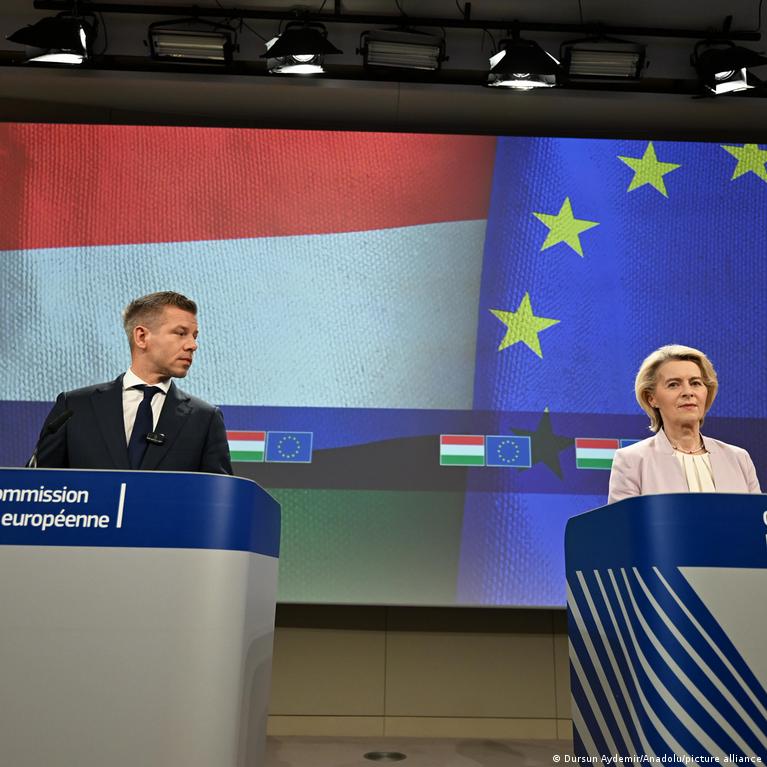
Hungary has formally submitted its revised Recovery and Resilience Plan to the European Commission, a key step toward unlocking €16.4 billion in EU funds frozen under former Prime Minister Viktor Orbán over corruption and rule-of-law concerns. New Prime Minister Péter Magyar, who won April's general election ending Orbán's 16-year rule, agreed with Commission President Ursula von der Leyen to pursue the funds, but Hungary must meet 27 binding 'supermilestones' by August 31 to access them. The deal carries high stakes: €10 billion from the EU's pandemic recovery facility expires at the end of August, and the European Parliament is demanding greater transparency over the terms of the agreement.
Hungary's new government under Prime Minister Péter Magyar has submitted a revised Recovery and Resilience Plan to the European Commission, formally advancing efforts to unlock €16.4 billion — roughly 14% of Hungary's GDP — in EU funds suspended during Orbán's tenure due to concerns about corruption and democratic backsliding. The plan covers reforms in anti-corruption and rule-of-law areas, as well as investments in energy infrastructure, housing, transport, and SMEs. Hungary must satisfy 27 binding 'supermilestones' by August 31, and parliament is moving draft legislation through a fast-track procedure to meet those conditions; measures include changes to public-interest foundation governance, an extended mandate for Hungary's Integrity Authority, and prison terms for public servants who violate asset declaration rules. The European Council is expected to formally adopt the revised plan in July, after which disbursement could follow — though EU officials have stressed that no disbursement has yet been agreed, only the conditions for it. Magyar's government has signaled ambition beyond the minimum requirements, including plans to join the European Public Prosecutor's Office. However, the European Parliament's Budgetary Control Committee has scheduled a July 14 hearing with EU commissioners, with several MEPs — including German Green MEP Daniel Freund — criticizing the lack of published documentation on the deal and questioning whether the Commission has softened its criteria. Former Prime Minister Orbán has also attacked the agreement, accusing Magyar of selling out Hungarian interests to Brussels.
What's missing
Neither source details what independent monitoring or verification mechanisms will be in place to assess compliance before disbursement.
How coverage differed
Deutsche Welle framed the story primarily around the policy mechanics and economic stakes of the deal, presenting it as a significant opportunity for Hungary's new government. Euronews placed greater emphasis on the European Parliament's transparency concerns and MEP criticism of the Commission's handling of the agreement, giving more weight to skeptical voices questioning the process.
What different sources said
- Deutsche WelleCenter
What Hungary must do to receive EU funds frozen under Orban
- EuronewsCenter
Hungary submits revised EU recovery plan as MEPs demand transparency over €16.4bn in frozen funds
Related
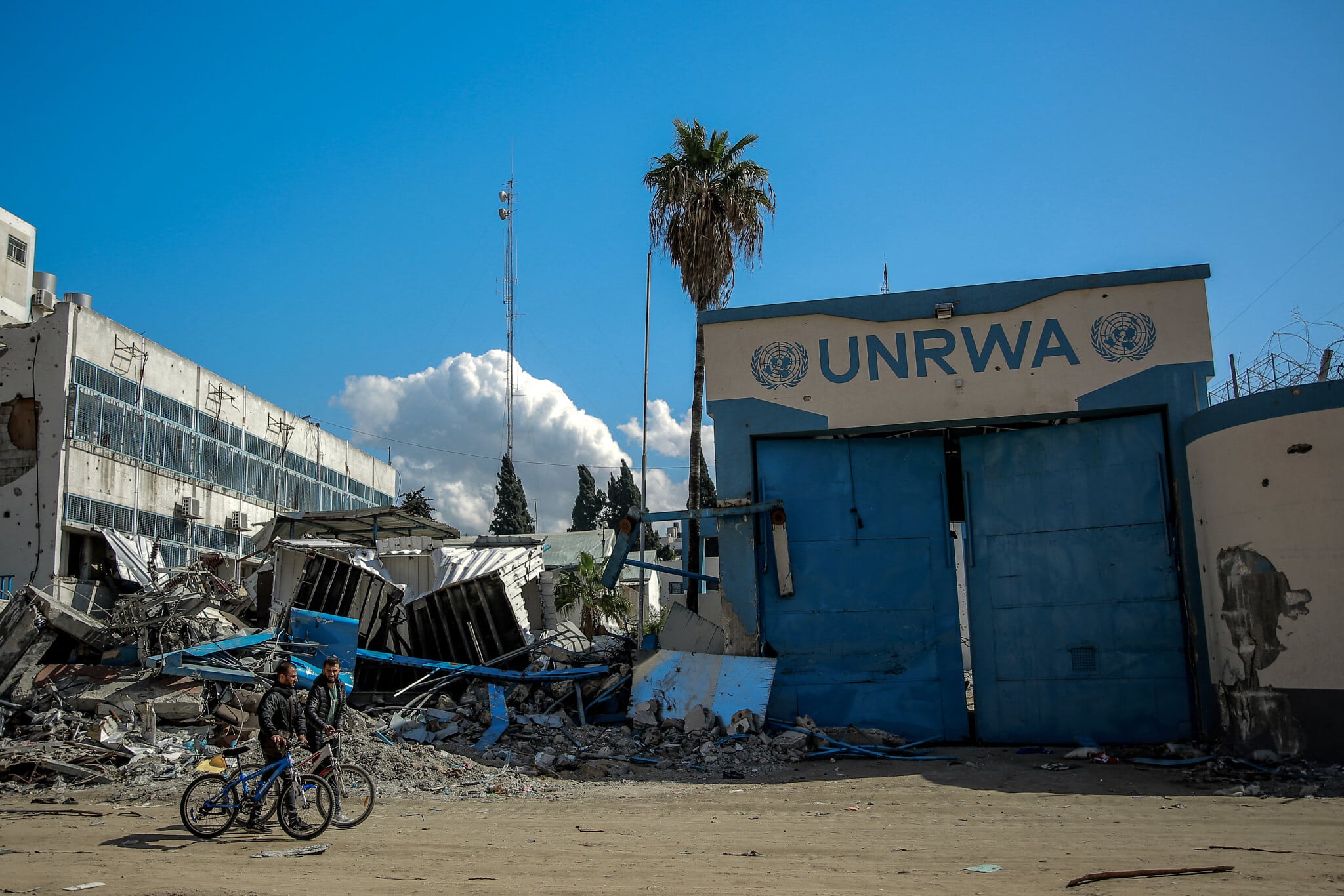
UNRWA Fires 70 Gaza Staff Members, Denies Terminations Validate Hamas Allegations
The UN agency for Palestinian refugees, UNRWA, has dismissed 70 employees in Gaza with immediate effect, citing safety and security risks. The move follows a USAID investigation that referred over 100 UNRWA staff for suspension or dismissal, and longstanding Israeli allegations that significant portions of the agency's workforce have ties to Hamas. The firings mark a significant but contested step in addressing accusations that have dogged the agency since the October 7, 2023 attacks, while UNRWA insists the dismissals are not an admission of guilt.
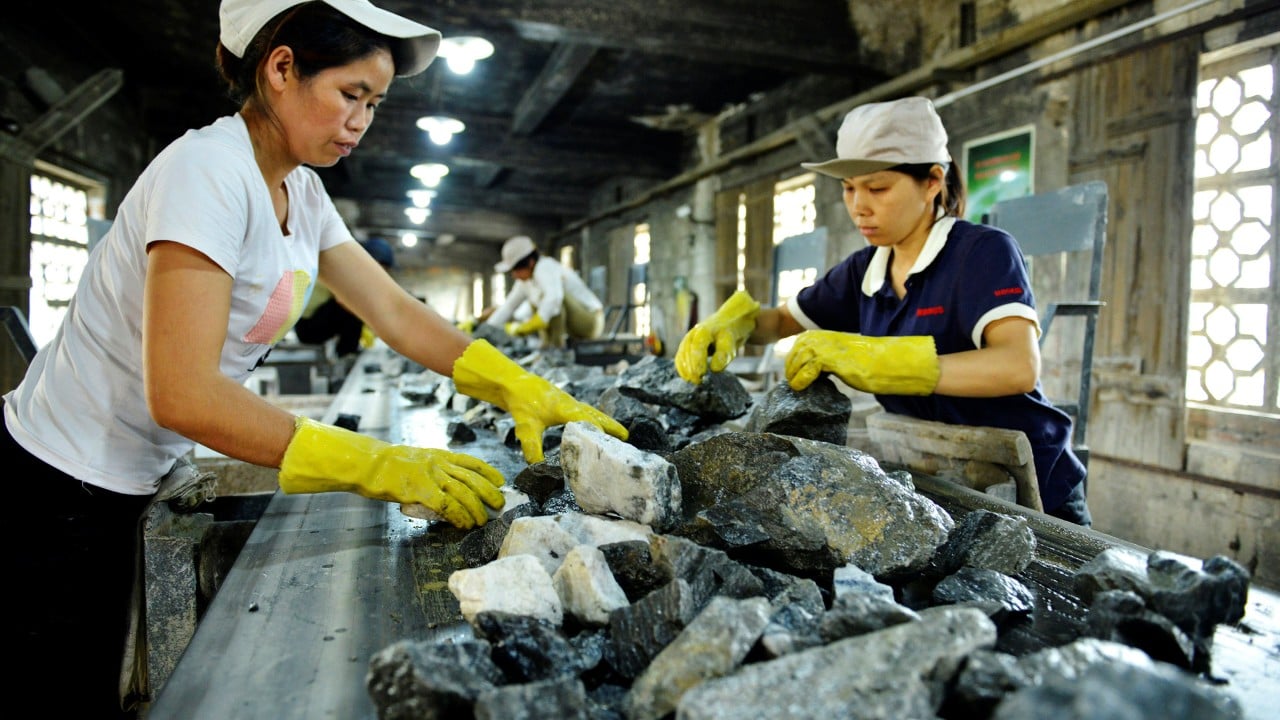
China's Tungsten Export Controls Ripple Through Global Supply Chains, From AI Chips to Weapons
China's 2025 export restrictions on tungsten have triggered price surges, potential production halts at Japanese semiconductor gas manufacturers, and a push to revive domestic mining in the United States. Tungsten, of which China produces over 78 percent of global supply, is critical to both advanced AI chipmaking and military munitions. The disruptions are exposing deep vulnerabilities in Western and Asian supply chains for a material with few short-term substitutes.

Rain Delays Start of India vs Afghanistan 1st ODI in Dharamshala
Persistent drizzle has delayed the toss and cast doubt over the first ODI between India and Afghanistan at the Himachal Pradesh Cricket Association Stadium in Dharamshala. The meteorological department issued an orange alert for June 12 warning of thunderstorms and hail across parts of Himachal Pradesh, with a 60–70% chance of showers forecast throughout the day. The delay threatens what would have been a historically significant match — the first-ever bilateral ODI series between the two nations.