Houthi Red Sea Shipping Threats Risk Major Oil Supply Disruption
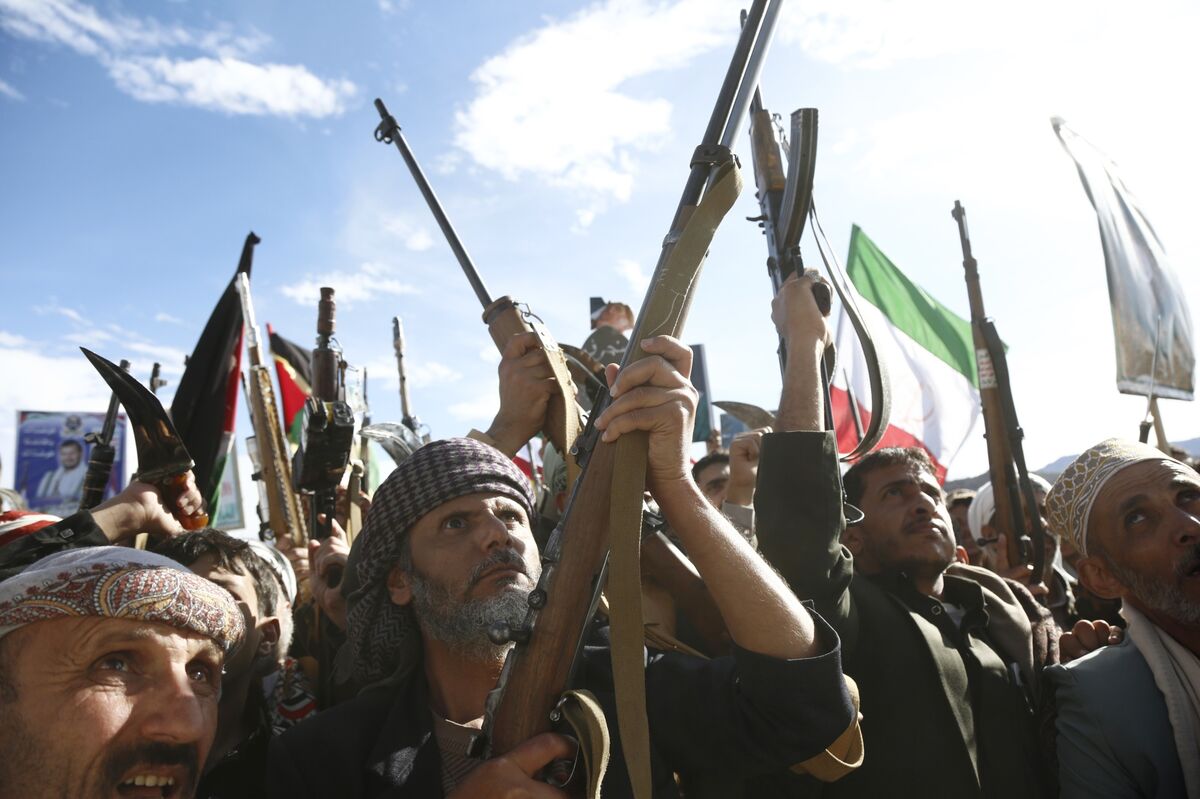
Yemen's Houthi movement declared a 'complete and total ban' on Israeli maritime navigation in the Red Sea, designating such vessels as legitimate military targets. The announcement comes as Saudi Arabia has been relying heavily on the Red Sea route — particularly its Yanbu port — to bypass the effectively closed Strait of Hormuz and maintain oil exports during the Iran-Israel war. A resumption of broad Houthi attacks on shipping could jeopardize roughly 3.65 million barrels per day of Saudi crude exports and trigger a significant spike in global oil prices.
The Houthis, an Iran-backed militant group controlling parts of Yemen including much of its Red Sea coastline, announced on June 8 that Israeli ships in the Red Sea are 'legitimate targets,' echoing a campaign they waged from 2023 to 2025 that caused commercial traffic through the Bab el-Mandeb Strait to collapse from roughly 10 percent of global seaborne trade to around 3 percent. Saudi Arabia has been diverting oil through its western Red Sea port of Yanbu — shipping 3.65 million barrels per day in May — to circumvent Iran's effective closure of the Strait of Hormuz during the ongoing Iran-Israel conflict. If Houthi attacks resume at scale, tankers servicing Yanbu could be endangered, potentially driving oil prices sharply higher. The Houthis have been in a weakened state following U.S. and Israeli strikes that killed many of their leaders and destroyed military equipment, and a U.S.-brokered ceasefire in May 2025 halted their campaign against American vessels. Analysts note the group has its own strategic calculus independent of Tehran, and faces risks of U.S. and Israeli retaliation if it escalates, as well as potential damage to its truce with Saudi Arabia. The U.S. State Department condemned the Houthi declaration as 'escalatory' and pledged to work with partners to ensure freedom of navigation.
What's missing
The articles do not clarify the current operational status of the EU's Aspides naval mission or whether any replacement for Operation Prosperity Guardian is being considered in light of the new Houthi declaration. It is also unclear what specific triggers would prompt the U.S. or Israel to resume strikes on Houthi positions under the existing ceasefire framework.
How coverage differed
Bloomberg and The Straits Times provided detailed, data-driven analysis of the economic and geopolitical risks with neutral framing. Fox News framed the story more through a security and counter-terrorism lens, emphasizing U.S. pushback, expert warnings of 'general escalation,' and dedicating significant space to Ethiopia's role as a U.S. strategic partner against Iranian influence — context largely absent from the other outlets.
What different sources said
- The Straits TimesCenter
How Iran-linked Houthis’ Red Sea shipping threat risks bigger oil shock
- BloombergCenter
How Houthis’ Red Sea Shipping Threat Risks Bigger Oil Shock
- Fox News WorldRight
Expert warns of 'general escalation' of fighting if Houthis resume Red Sea campaign
Related
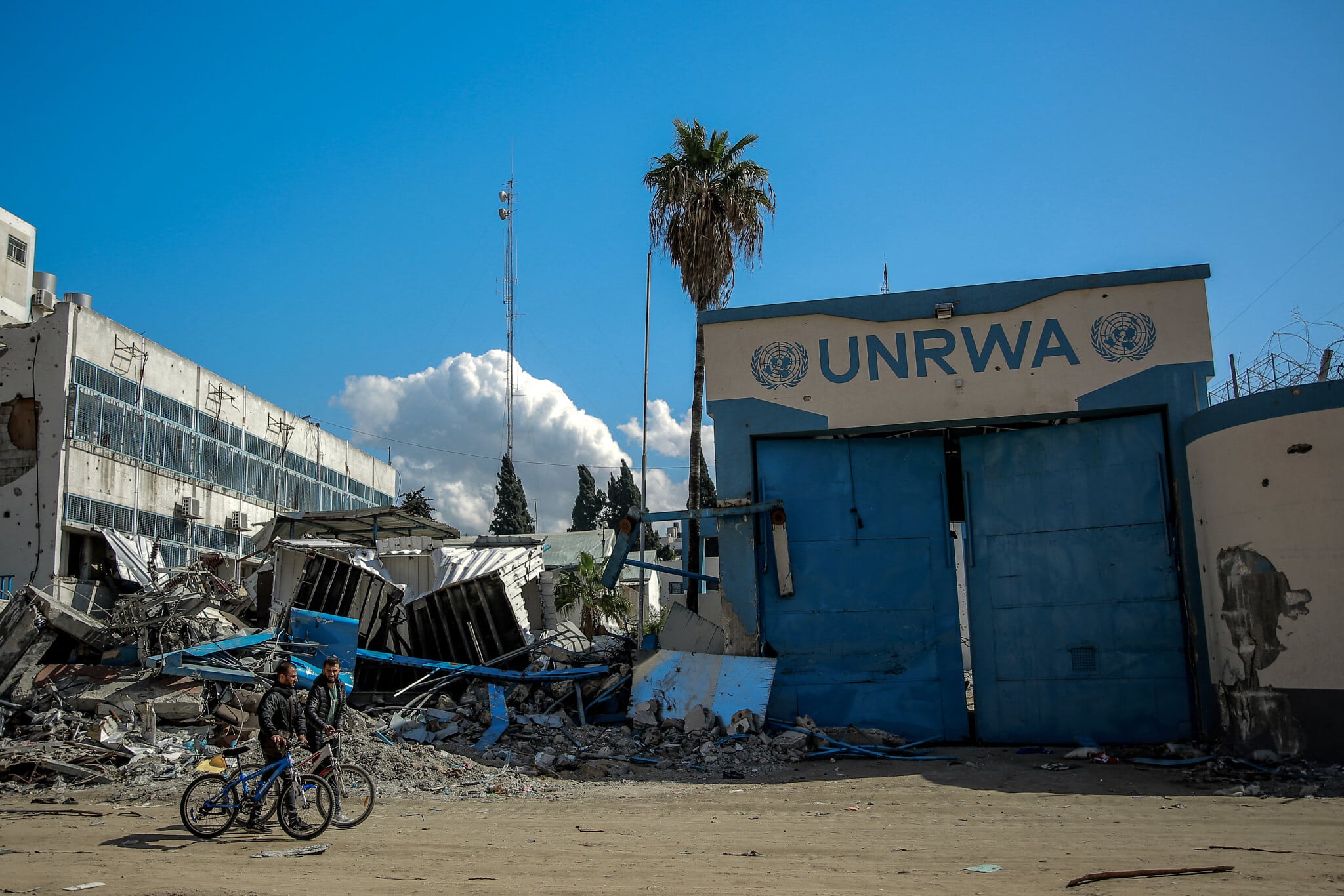
UNRWA Fires 70 Gaza Staff Members, Denies Terminations Validate Hamas Allegations
The UN agency for Palestinian refugees, UNRWA, has dismissed 70 employees in Gaza with immediate effect, citing safety and security risks. The move follows a USAID investigation that referred over 100 UNRWA staff for suspension or dismissal, and longstanding Israeli allegations that significant portions of the agency's workforce have ties to Hamas. The firings mark a significant but contested step in addressing accusations that have dogged the agency since the October 7, 2023 attacks, while UNRWA insists the dismissals are not an admission of guilt.

China's Tungsten Export Controls Ripple Through Global Supply Chains, From AI Chips to Weapons
China's 2025 export restrictions on tungsten have triggered price surges, potential production halts at Japanese semiconductor gas manufacturers, and a push to revive domestic mining in the United States. Tungsten, of which China produces over 78 percent of global supply, is critical to both advanced AI chipmaking and military munitions. The disruptions are exposing deep vulnerabilities in Western and Asian supply chains for a material with few short-term substitutes.

Rain Delays Start of India vs Afghanistan 1st ODI in Dharamshala
Persistent drizzle has delayed the toss and cast doubt over the first ODI between India and Afghanistan at the Himachal Pradesh Cricket Association Stadium in Dharamshala. The meteorological department issued an orange alert for June 12 warning of thunderstorms and hail across parts of Himachal Pradesh, with a 60–70% chance of showers forecast throughout the day. The delay threatens what would have been a historically significant match — the first-ever bilateral ODI series between the two nations.