Historian Joseph Ellis Reconsiders American Founding's Moral Failures in New Book
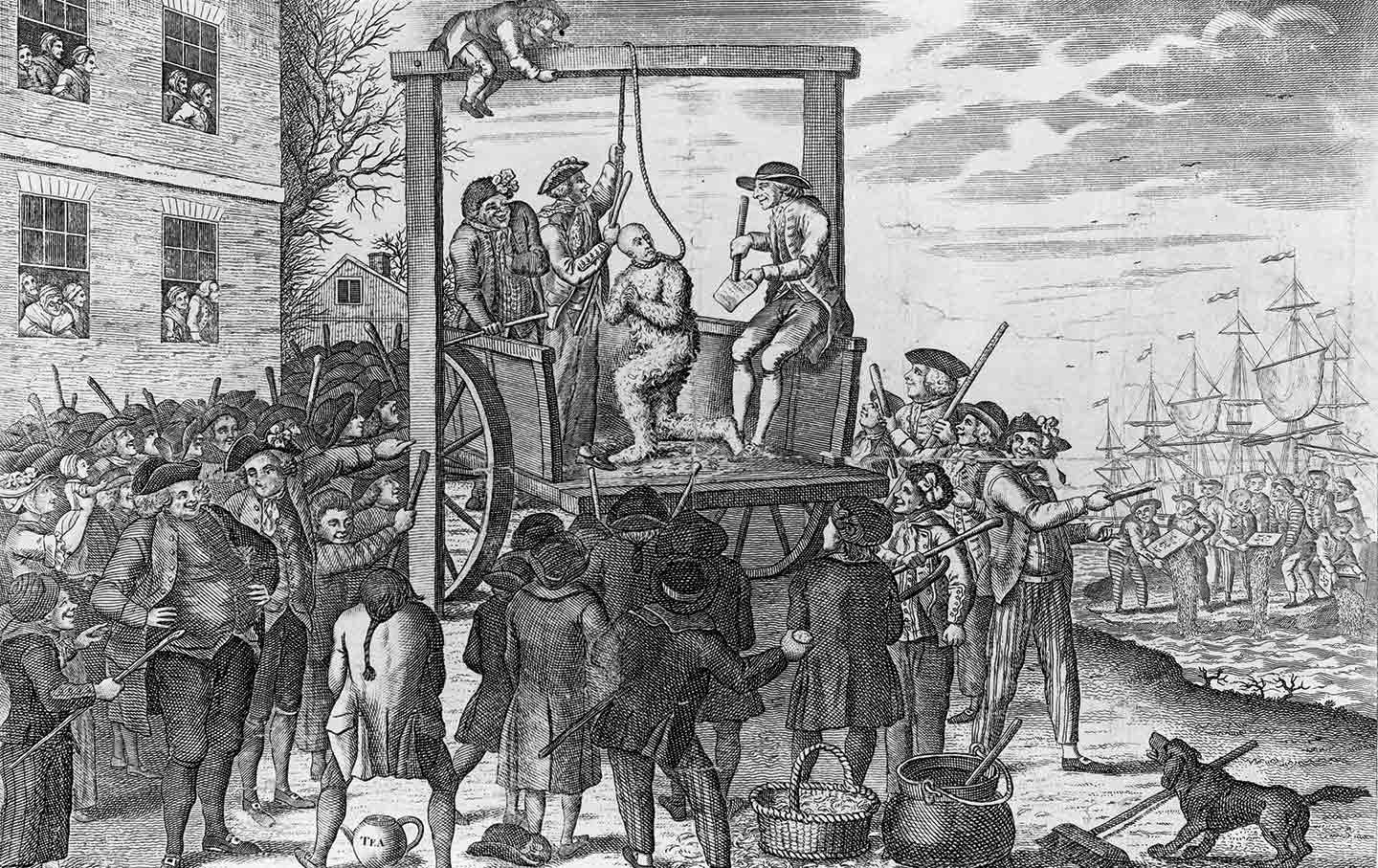
Pulitzer Prize-winning historian Joseph Ellis has published a new book, "The Great Contradiction," that challenges his own previous consensus-building work by focusing on the founding generation's failures regarding slavery and Native American removal. Ellis argues these were not inevitable compromises but tragic moral failures, and identifies a pattern where racism resurges when racial equality becomes foreseeable. The reassessment is significant because Ellis has been one of the most influential scholars shaping how Americans understand the Revolutionary period.
Joseph Ellis, a celebrated historian known for best-selling books on the founders that have shaped national consensus around July 4, 1776 as a transformative moment, has published "The Great Contradiction: The Tragic Side of the American Founding," which fundamentally reconsiders his earlier work. The book focuses on two major failures: the founders' inability to end slavery and their role in Indian removal, with Ellis arguing that accommodation with Native Americans was the revolutionary generation's greatest failure after slavery. Ellis introduces the concept of the "Great Silence"—noting that major Western philosophers from Plato to Locke remained silent on slavery for centuries—and identifies what he calls an "inherently paradoxical pattern" in American history where racism intensifies when racial equality becomes foreseeable, a pattern he traces from the founding through contemporary "Make America Great Again" politics. The review notes that Ellis appears influenced by recent political events and acknowledges that his mentor Edmund Morgan was correct in arguing these contradictions were present from the nation's inception.
What's missing
The review is incomplete (text cuts off mid-sentence), so a full assessment of the book's arguments and Ellis's complete thesis cannot be made from this source alone. Additionally, no information is provided about the book's publication date, publisher, or critical reception beyond this single review.
What different sources said
- The NationFar Left
The Contradictions of 1776
Related

Jackson Dean Contributes Tribute Song to Gregg Allman Documentary
Country star Jackson Dean has contributed a song titled "My Cross to Bear" to the documentary "Gregg Allman: The Music of My Soul," which premiered in New York City on June 9, 2026. The film celebrates the life and legacy of the Allman Brothers Band founder and is being distributed by Subtext, an independent film production company. The documentary will expand to theaters nationwide on June 17 after premiering in Macon, Georgia and select cities.

MGK Describes Severe Health Issues During Large Blackout Tattoo Project
Musician MGK revealed in a Billboard Canada interview that he experienced significant health complications while getting a large blackout tattoo on his upper body, including swollen lymph nodes, yellowing skin, insomnia, and reduced mobility. The tattoo, created by artist ROXX and originally planned as a two-year project, was completed in approximately two months due to the severity of his symptoms. MGK stated he emerged from the experience inspired despite the physical toll.
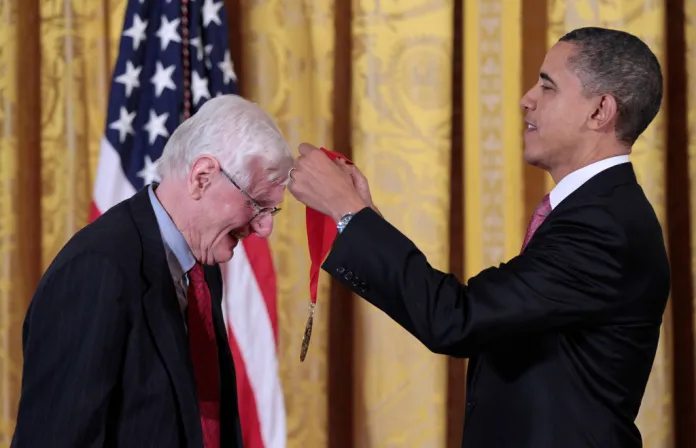
Historian Gordon Wood, Pioneer of Revolutionary Era Scholarship, Dies at 92
Gordon Wood, a prominent historian who revolutionized the study of the American Revolution and Founding Fathers, has died at age 92, just weeks before the 250th anniversary of the Declaration of Independence. Wood and his mentor Bernard Bailyn pioneered a scholarly approach that carefully examined primary sources like pamphlets and debates rather than imposing ideological frameworks onto history. His work represents the end of what scholars call a golden age in American Revolutionary historiography that began in the postwar decades.