HelloFresh Faces Backlash Over Pride Month Social Media Posts
HelloFresh drew criticism for Pride Month social media posts that users interpreted as containing sexual innuendo, prompting the company to remove the content and some customers to announce cancellations. The posts included references to high-fiber recipes and discount codes that critics said contained double meanings related to sexual practices. The incident reflects broader debates about corporate Pride messaging and brand marketing strategies.
HelloFresh, a meal kit delivery service, posted content on Instagram during Pride Month that sparked significant backlash. The original post referenced high-fiber recipes and "prepping," which critics interpreted as sexual innuendo. When users engaged with the post, HelloFresh's social media team responded with additional messages that critics said reinforced the interpretation, including references to being "XTRA" and a discount code "BOTTOMSUP." The company subsequently removed the posts. Some marketing professionals and social media users, including individuals within LGBTQ+ communities, criticized the content as inappropriate and offensive. The incident has led some customers to announce plans to cancel their subscriptions, drawing comparisons to other brands that faced consumer backlash over their diversity and inclusion messaging.
What's missing
No official statement from HelloFresh explaining the posts or their removal is included. The scale of customer cancellations is not quantified. No data on the actual engagement or reach of the original posts is provided. The article does not include perspectives from marketing professionals who might defend the approach or explain the intent behind the campaign.
What different sources said
- Daily WireRight
I Signed Up For HelloFresh Meal Kits. Turns Out They’re Rated X.
Related

Documentary 'Hollywood Does Abortion' Claims Entertainment Industry Stigmatized Abortion Through Misleading Portrayals
A new documentary premiered at the Tribeca Film Festival arguing that Hollywood films and television shows have historically depicted abortion in a stigmatized and inaccurate manner, from the 1970s to recent years. The filmmakers contend that portrayals often featured false medical complications, miscarriages that prevented characters from making abortion decisions, or exaggerated post-abortion regret. The documentary's claims have drawn responses from both abortion-rights and pro-life advocates, with disagreement over the accuracy of abortion's depiction in media and its real-world consequences.
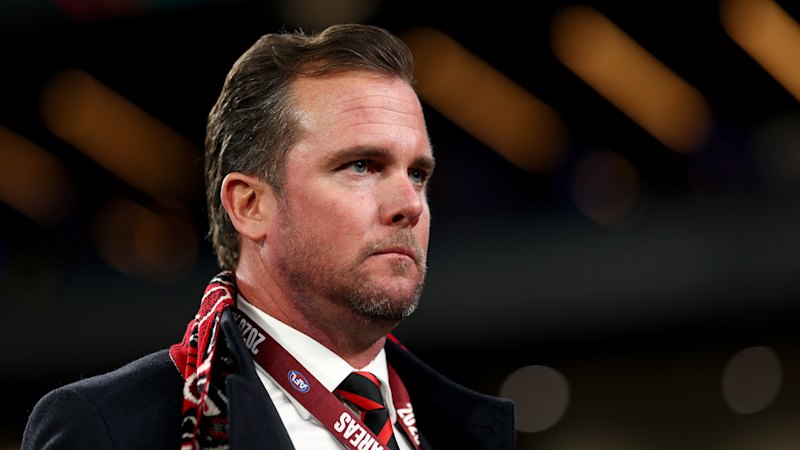
Richmond's 2009 Exhaustive Coaching Search: A Model for AFL Recruitment
An opinion piece examines Richmond's comprehensive two-stage coaching search process in 2009 that ultimately selected Damien Hardwick, who led the club to three premierships in four years. The process involved eight initial candidates and a rigorous evaluation of coaching philosophies, tactical knowledge, and team-building approaches. The article argues the process succeeded not only in selecting the right coach but in identifying a strong pool of candidates who collectively became successful AFL coaches.
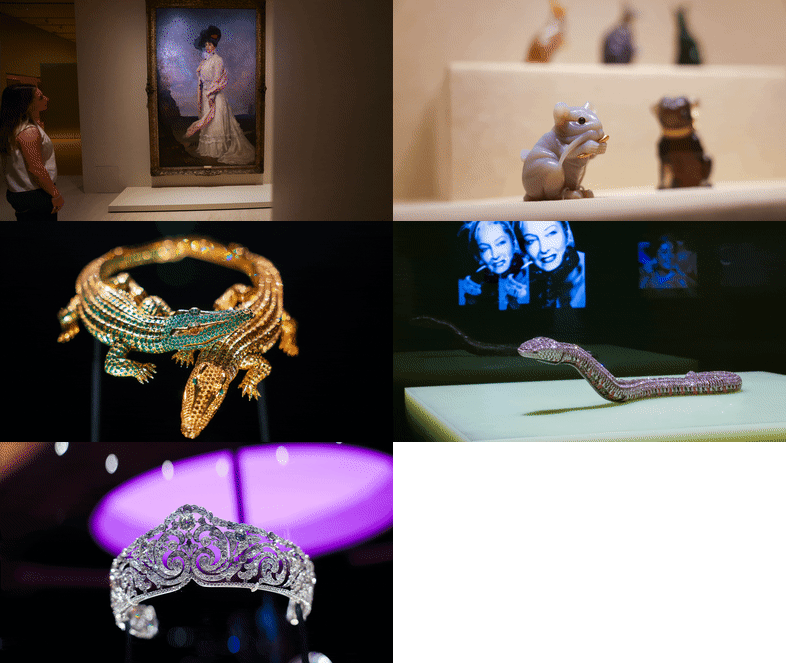
NGV's Cartier Exhibition Showcases Luxury Craftsmanship Amid Questions About Brand-Focused Museum Programming
The National Gallery of Victoria has opened a major Cartier jewelry exhibition featuring hundreds of pieces spanning over a century, originated from London's Victoria & Albert Museum. The show displays exceptional craftsmanship and historical context tracing the brand's evolution from a family business founded in 1847 through its association with royalty, industrialists, and celebrities. The exhibition raises ongoing questions about whether major cultural institutions should dedicate significant space to luxury brand showcases rather than art-focused programming.