Gulf Business Leaders Grapple with Economic Fallout from Iran Conflict
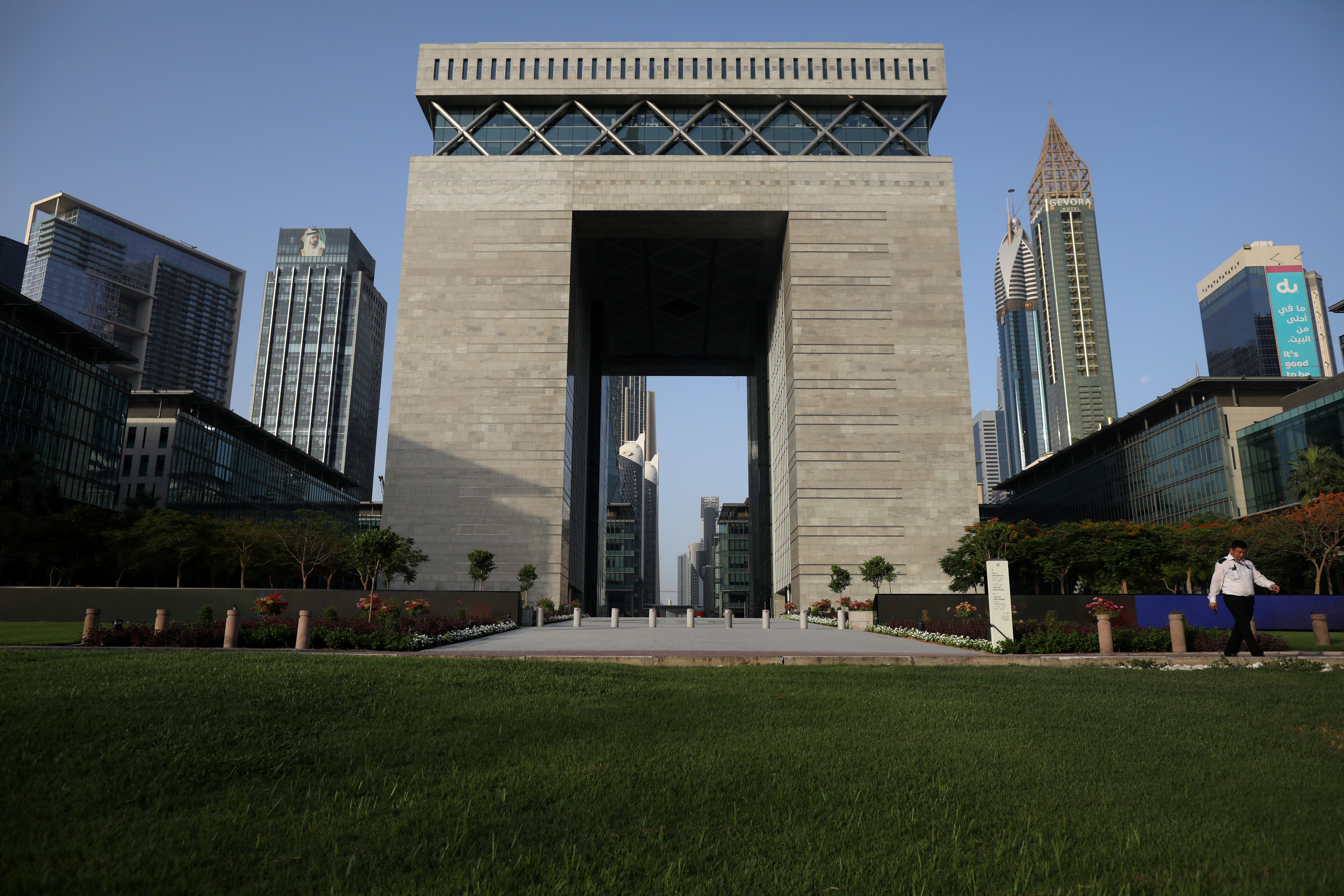
Gulf executives gathered at a Dubai business conference acknowledged weakening economic confidence and delayed growth recovery across the region following Iran's military strikes. The conflict has deterred foreign investment, spiked construction costs, and prompted banks to tighten credit lines, with international venture capitalists withdrawing due to geopolitical risk concerns. The situation matters because the Gulf's economic diversification and regional stability are central to global markets and energy security.
At a sparsely attended business conference in Dubai, Gulf executives offered unusually candid assessments of the region's economic challenges following Iran's military actions. While equity markets have largely recovered, economists expect only gradual growth rather than swift rebounds, with construction costs rising and lenders becoming more cautious. The conflict has prompted some UAE-based entrepreneurs to shift operations to Saudi Arabia, viewed as relatively safer, while international venture capitalists have largely withdrawn from the region citing unwillingness to engage with geopolitical risk. Iran's recent strike on Kuwait's international airport underscored that the ceasefire remains fragile, with one analyst noting that valuations have not yet fully adjusted to reflect the elevated risk premium. The broader challenge is that foreign investors often view the entire Gulf as a single market, meaning regional distinctions in safety and economic resilience may not translate into differentiated investment flows.
What's missing
The article does not specify the timeline of the Iran military strikes referenced or provide details on the scale of economic damage (GDP impact, investment outflows in dollar terms, or employment effects). Additionally, while the article mentions a ceasefire, it does not clarify the parties involved or the formal terms of any agreement.
What different sources said
- SemaforCenter
Gulf executives reckon with economic consequences of Iran war
Related

U.S. Markets Stage Rebounds Following Chip Stock Selloff
U.S. markets have rebounded twice following a dramatic Friday selloff in chip stocks, with gains at Monday's open and Tuesday afternoon. The Nasdaq 100 remains down 4.25% for the month despite the recoveries, and volatility has increased sharply. The pattern reflects the market's traditional 'buy the dip' behavior as investors resist giving up recent gains.
Japan's 30-Year Bond Auction Sees Weakest Demand in Over a Year
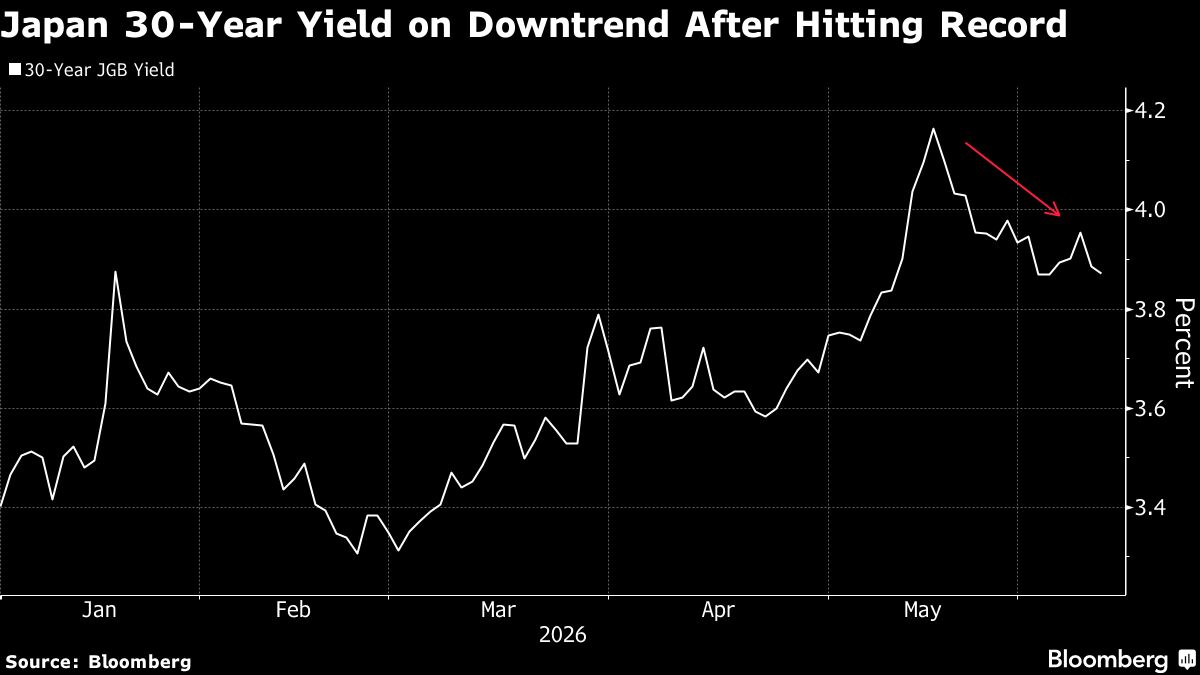
Japan's 30-year government bond auction on June 10, 2026 attracted the weakest demand since June 2025, with a bid-to-cover ratio of 2.94 compared to the previous 3.49. The decline reflects investor concerns over inflation and fiscal policy, as well as falling yields reducing appetite for the bonds. Weak bond demand can signal investor anxiety about Japan's economic outlook and fiscal sustainability.
HKEx CEO Bonnie Chan Calls Potential SpaceX Listing an 'Exciting Deal'
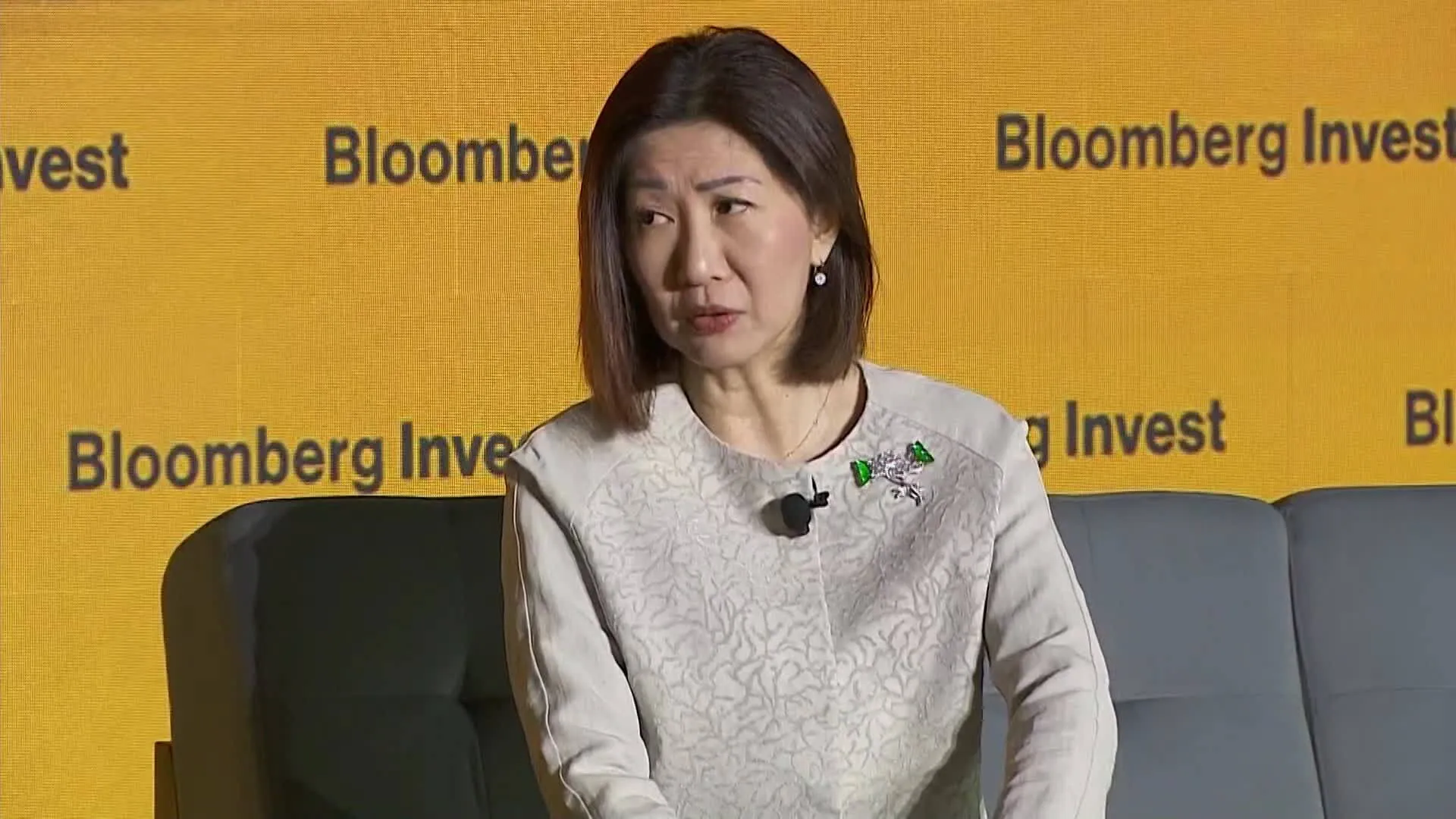
Hong Kong Exchanges and Clearing (HKEx) CEO Bonnie Chan expressed enthusiasm about a potential SpaceX listing, describing it as an exciting opportunity. Chan highlighted that Chinese supply chains have broad coverage relevant to such a deal. The statement suggests HKEx's interest in attracting major space industry companies to its exchange.