Gordie Howe International Bridge Set to Open Despite Trump's Earlier Demands
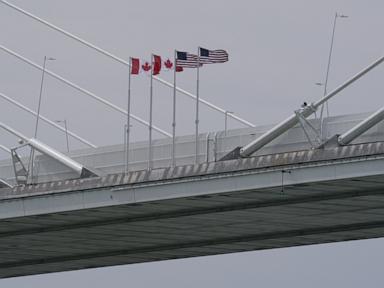
The planned Friday ribbon-cutting ceremony for the completed Gordie Howe International Bridge connecting Windsor, Ontario, and Detroit, Michigan has been postponed indefinitely after the Trump administration requested a delay to resolve unspecified "outstanding issues." The $6.4 billion CAD cable-stayed bridge, fully funded by Canada and jointly owned by Canada and the state of Michigan, had been expected to open to traffic later this month following years of construction beginning in 2018. The delay is significant because the bridge represents a major new trade artery between the two countries at a time of heightened U.S.-Canada trade tensions, and its opening has been entangled in broader disputes over tariffs, the USMCA review, and alleged lobbying by the owners of the competing Ambassador Bridge.
The Gordie Howe International Bridge, a 1.5-mile cable-stayed span across the Detroit River, was set for a ribbon-cutting ceremony on Friday, June 13, but the Windsor-Detroit Bridge Authority announced Thursday that both Canada and the United States had agreed to delay the opening to resolve unresolved issues, without specifying what those issues are or when the bridge will open. Canadian Prime Minister Mark Carney confirmed Canada agreed to the delay at the U.S. request, describing the outstanding matters as "technical aspects" and insisting there was "no great drama," while Michigan Governor Gretchen Whitmer said she hoped the opening would happen within "days or weeks." The delay followed internal disagreements within the Trump administration, with Commerce Secretary Howard Lutnick reportedly pushing back on the opening after being caught off-guard by the planned ceremony; sources told The Globe and Mail that Lutnick and U.S. Ambassador Pete Hoekstra want to first negotiate a deal protecting the Moroun family — billionaire owners of the rival Ambassador Bridge — from competition before the new bridge opens. President Trump had threatened in February to block the bridge unless the U.S. was "fully compensated," despite the fact that Canada paid the entire construction cost and the bridge is jointly owned by Canada and Michigan under a deal negotiated by former Republican Michigan Governor Rick Snyder. The Moroun family, which has lobbied the Trump administration and whose chairman donated $1 million to a pro-Trump PAC, had previously sued to prevent the bridge's construction and stands to lose toll revenue to the new crossing, which will charge roughly half the Ambassador Bridge's rates. Officials and local residents expressed frustration at the continued delays, with Windsor Mayor Drew Dilkens stating the bridge is "fully built and ready to open" and attributing the holdup directly to Trump.
What's missing
The specific "outstanding issues" or "technical aspects" cited by both governments as the reason for the delay have not been publicly disclosed, making it unclear whether the holdup is genuinely procedural or primarily political. Additionally, the timeline and conditions under which the Trump administration would agree to allow the bridge to open remain unspecified.
How coverage differed
Right-leaning outlets like the Washington Examiner framed the delay primarily as a factual development tied to unresolved U.S.-Canada trade tensions, while left-leaning and Canadian outlets such as CBC and The Globe and Mail placed greater emphasis on Trump's role in blocking the opening and highlighted the Moroun family's lobbying and political donations as a likely driver of the delay. The Globe and Mail was the most explicit in reporting that the delay was engineered to protect the Moroun family's commercial interests, a framing largely absent from U.S. right-leaning sources.
What different sources said
- The IndependentLeft
Mark Carney announces opening date for Detroit bridge despite early threat from Trump
- AP NewsCenter
Opening of Canada-US bridge that Trump threatened to block is delayed over unresolved 'issues'
- BBC Top StoriesCenter
Opening of long awaited US-Canada bridge delayed again
- The Straits TimesCenter
Opening delayed for US-Canada bridge that Trump threatened to close
- Global News CanadaCenter
Carney says ‘no big drama’ on Gordie Howe Bridge — but opening may take a bit longer
- Washington ExaminerRight
Carney says Canada-Michigan bridge that Trump threatened to block will open
- The HillCenter
Carney says bridge threatened by Trump will open
- NDTVCenter
US-Canada Bridge Threatened By Trump To Open This Week: Mark Carney
- ABC News InternationalCenter
Carney: New Canada-built bridge across Detroit River that Trump threatened will open
- National PostCenter
'There’s no big drama' says Carney, as Gordie Howe bridge opening may face delays
- CBCLeft
Gordie Howe International Bridge opening delayed, bridge official says
- Washington TimesRight
Opening of Canada-US bridge that Trump threatened to block is delayed over unresolved 'issues'
- The Globe and MailCenter
Trump administration delays opening of Gordie Howe bridge on eve of ribbon cutting
- MLive.comCenter
Both the U.S. and Canada have agreed to delay the Gordie Howe Bridge opening
- NewserCenter
After Trump Threats, Opening of US-Canada Bridge Is Delayed
- CTV NewsCenter
Lutnick leading charge on Gordie Howe Bridge ahead of delay: White House official
- BloombergCenter
US, Canada Delay Opening of Bridge Trump Threatened to Block
- Toronto StarCenter
Lutnick leading charge on Gordie Howe Bridge ahead of delay: White House official
Related
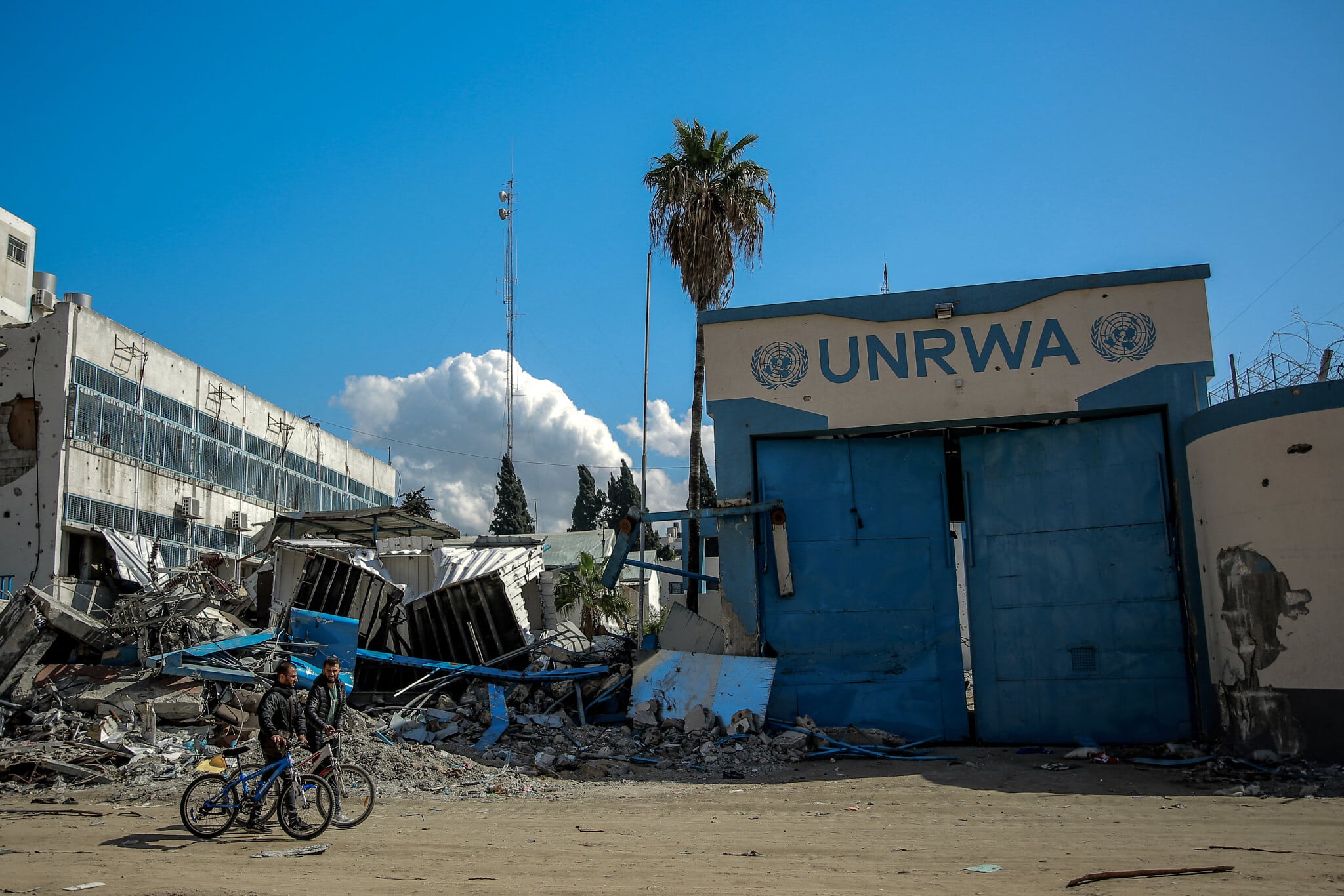
UNRWA Fires 70 Gaza Staff Members, Denies Terminations Validate Hamas Allegations
The UN agency for Palestinian refugees, UNRWA, has dismissed 70 employees in Gaza with immediate effect, citing safety and security risks. The move follows a USAID investigation that referred over 100 UNRWA staff for suspension or dismissal, and longstanding Israeli allegations that significant portions of the agency's workforce have ties to Hamas. The firings mark a significant but contested step in addressing accusations that have dogged the agency since the October 7, 2023 attacks, while UNRWA insists the dismissals are not an admission of guilt.
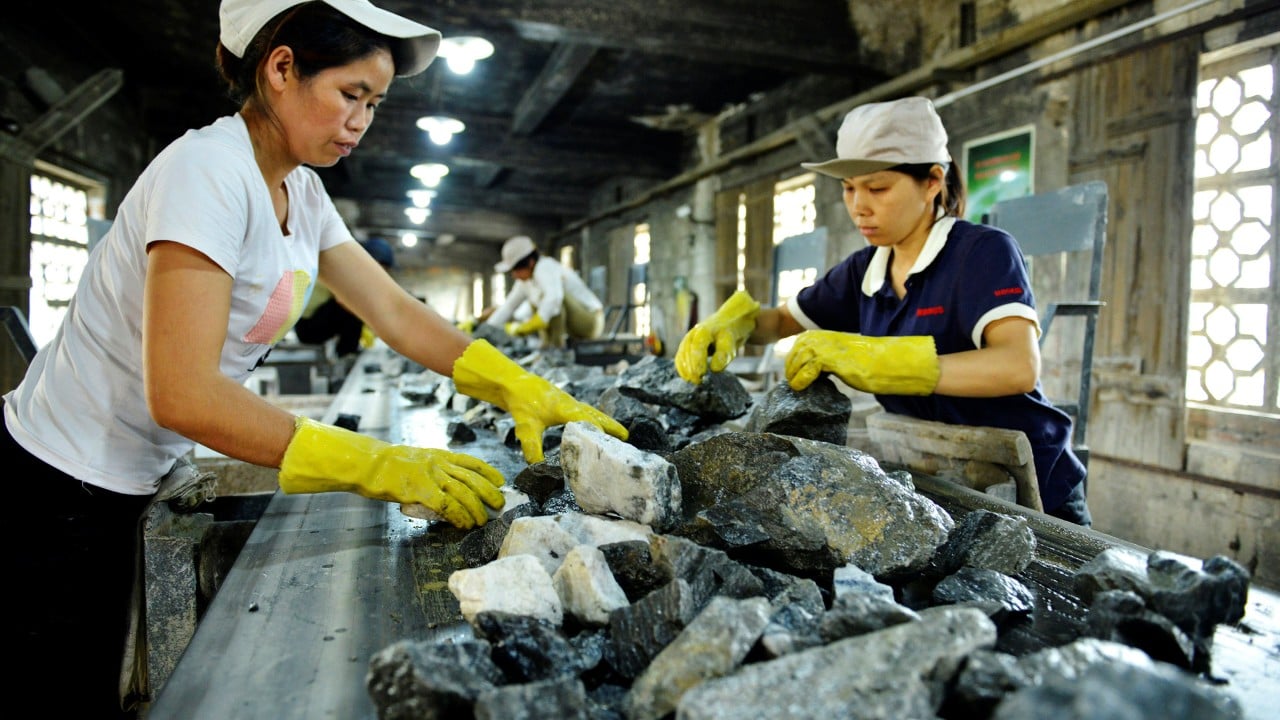
China's Tungsten Export Controls Ripple Through Global Supply Chains, From AI Chips to Weapons
China's 2025 export restrictions on tungsten have triggered price surges, potential production halts at Japanese semiconductor gas manufacturers, and a push to revive domestic mining in the United States. Tungsten, of which China produces over 78 percent of global supply, is critical to both advanced AI chipmaking and military munitions. The disruptions are exposing deep vulnerabilities in Western and Asian supply chains for a material with few short-term substitutes.

Rain Delays Start of India vs Afghanistan 1st ODI in Dharamshala
Persistent drizzle has delayed the toss and cast doubt over the first ODI between India and Afghanistan at the Himachal Pradesh Cricket Association Stadium in Dharamshala. The meteorological department issued an orange alert for June 12 warning of thunderstorms and hail across parts of Himachal Pradesh, with a 60–70% chance of showers forecast throughout the day. The delay threatens what would have been a historically significant match — the first-ever bilateral ODI series between the two nations.