Google Claims YouTube Terms of Service Authorize AI Training on Uploaded Music

Google filed a motion to dismiss a lawsuit brought by independent musicians, arguing its YouTube terms of service grant it broad rights to use uploaded content to train AI models like its music generator Lyria. The plaintiffs allege Google illegally used their songs to train Lyria 3 without compensation or consent, while Google contends it cannot even be proven their specific works were used. The case raises significant questions about whether platform terms of service can effectively waive creators' copyright protections for AI training purposes.
A group of independent musicians, including singer Sam Kogon, producer Magnus Fiennes, and the Chicago-based band Directrix, filed a proposed class action lawsuit in March in the U.S. District Court for the Northern District of Illinois, alleging Google illegally used their YouTube-uploaded songs to train its Lyria 3 AI music model. In a 41-page motion to dismiss filed Monday, Google's attorneys argued the plaintiffs cannot prove their specific works were used, and that even if they were, YouTube's terms of service grant Google a 'worldwide, non-exclusive, royalty-free, sublicensable and transferable license' to reproduce, distribute, and prepare derivative works from uploaded content. This approach differs from competitors like Suno, Udio, and Anthropic, which have relied on fair use arguments in similar litigation. While Google has not specifically confirmed using YouTube uploads to train Lyria, YouTube CEO Neal Mohan acknowledged in April 2024 that 'some portion' of YouTube videos may be used to train models like Gemini, and the company confirmed to CNBC it uses uploads to train Gemini and Veo. The plaintiffs argue Google had the resources and industry relationships to license music legally before training but chose not to, and that its control of both YouTube and the Content ID rights-management system gives it unique structural leverage over creators.
What's missing
No court ruling or legal precedent directly addressing whether platform terms of service can override copyright protections for AI training has yet been established.
How coverage differed
Variety reported the story in largely neutral, procedural terms, presenting both sides' legal arguments with equal weight. The Verge adopted a more skeptical framing toward Google, characterizing the company's legal hedging as calculated plausible deniability and stating it 'almost certainly' uses creator content for AI training, drawing more explicitly on prior public statements to suggest Google's denials are disingenuous.
What different sources said
Related

Samsung Galaxy S25 and S25 FE See Significant Price Cuts
Samsung's Galaxy S25 and Galaxy S25 FE smartphones are currently available at notably reduced prices, with the S25 FE dropping $201 (33%) to $449 on Woot for a limited time. The price reductions come amid a competitive smartphone market and ahead of anticipated future Samsung releases. The discounts make previously premium-priced devices more accessible to budget-conscious consumers.

Anthropic Disables Fable 5 and Mythos 5 AI Models Globally After US Government Export Control Order
Anthropic has suspended all public access to its two most advanced AI models, Fable 5 and Mythos 5, after the US Commerce Department issued an export control directive ordering the company to block foreign nationals from accessing them on national security grounds. The order came just three days after Fable 5's public launch and reportedly stems from government concerns about a potential jailbreak that could enable the models to assist with cyberattacks, though Anthropic says it received only verbal evidence of a narrow, non-universal vulnerability. The shutdown affects all customers globally — including enterprise users and Anthropic employees — and marks a significant escalation of US efforts to restrict foreign access to advanced AI models themselves, rather than just the chips that power them.
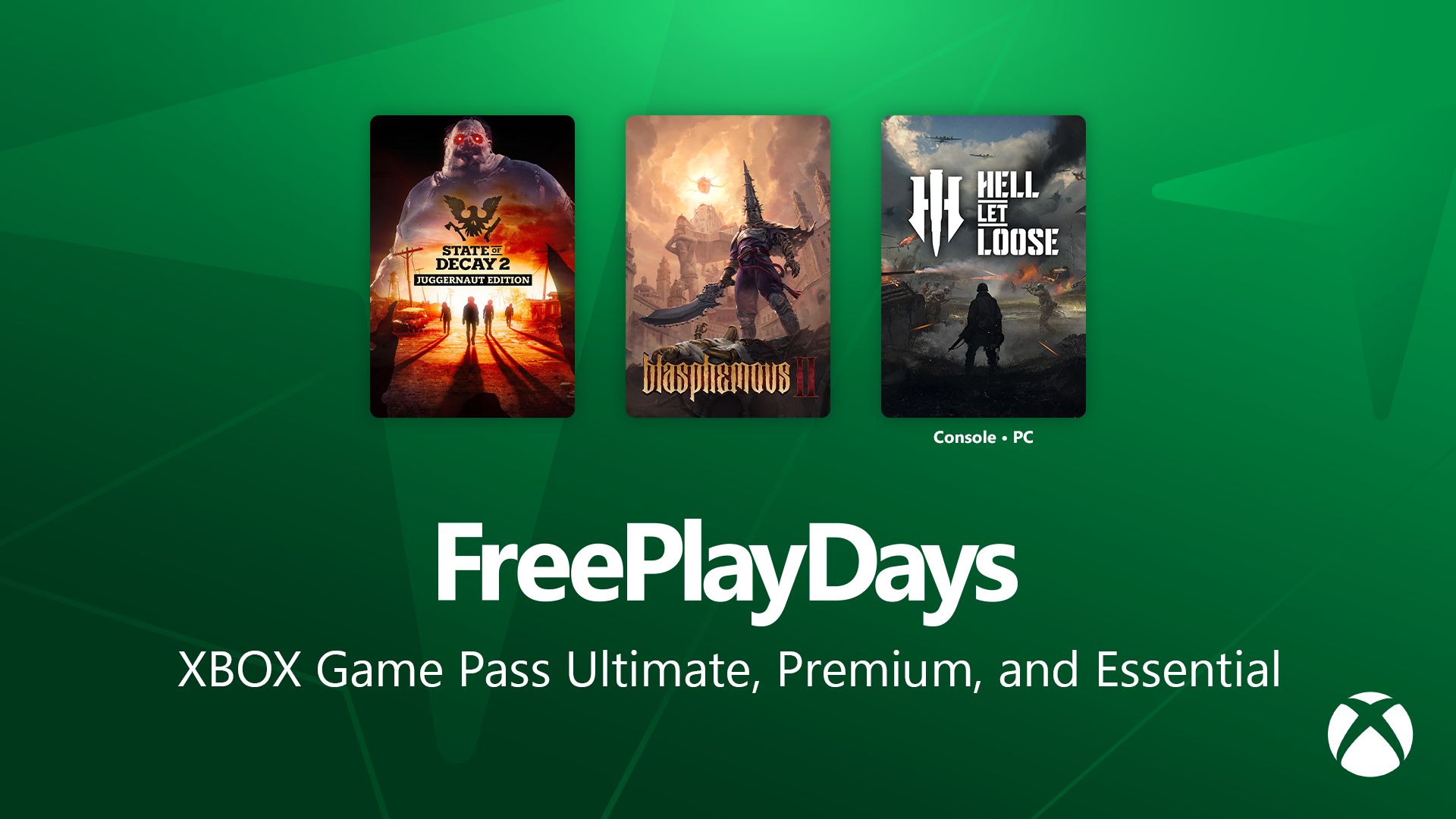
Xbox Free Play Days Offers Three Games Free to Play June 11–14
Microsoft's Xbox Free Play Days program is offering Hell Let Loose, State of Decay 2: Juggernaut Edition, and Blasphemous 2 at no cost from June 11 to June 14. Hell Let Loose requires an Xbox Game Pass Ultimate, Premium, or Essential membership, while State of Decay 2 and Blasphemous 2 (via a five-hour timed trial) are accessible to all Xbox console owners. Players who wish to keep any of the games can purchase them at a limited-time discount and retain any achievements earned during the free period.