GLP-1 Drugs Show Potential Links to Lower Cancer Risk in New Research
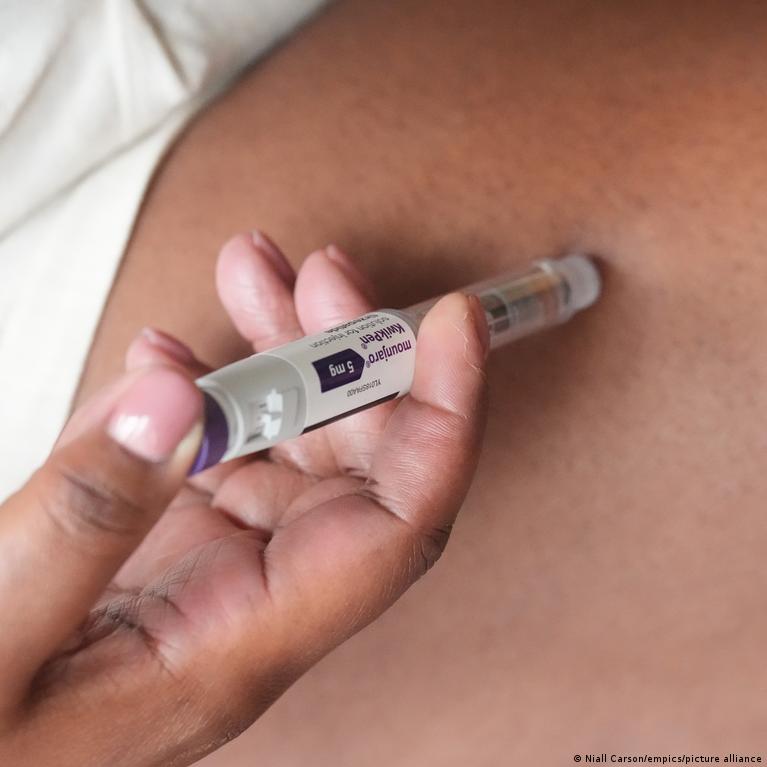
New research presented at the American Society of Clinical Oncology meeting suggests GLP-1 drugs like semaglutide may reduce the risk of certain cancers by up to 41%, adding to a growing list of health benefits beyond their original use for type 2 diabetes and weight loss. The drugs, sold under brand names including Ozempic, Wegovy, and Mounjaro, are already associated with cardiovascular, kidney, liver, and addiction-related benefits, reflecting a broader pattern of drug repurposing seen throughout medical history. Experts say the findings are potentially transformative but caution that more research is needed and that long-term risks may only become clear over time.
GLP-1 agonist drugs, originally developed to treat type 2 diabetes and later popularized as weight-loss medications, are increasingly being studied for a wide range of additional health benefits — a phenomenon known as drug repurposing. Studies presented at the American Society of Clinical Oncology meeting in Chicago found that patients taking GLP-1s showed significantly lower risks of developing obesity-related cancers, with one large study of over 161,000 patients reporting a 41% reduced cancer risk compared to those receiving only diet and exercise counseling. A separate study published in JCO Oncology Practice found women using GLP-1 medications had up to 35% lower odds of developing breast cancer, independent of age, BMI, and other factors, though researchers noted the study was observational and not definitive. Beyond cancer, GLP-1s have shown evidence of protecting the kidneys and liver, reducing inflammation, lowering cardiovascular risk, and even curbing addictive behaviors. Medical experts, including the Canadian Cancer Society's vice-president of research, have called the emerging findings potentially transformative, while also stressing that additional research is needed to understand whether the drugs can prevent cancer relapse or metastasis. Historically, drug repurposing has yielded major breakthroughs — from thalidomide being repurposed for multiple myeloma to dexamethasone saving an estimated one million lives during COVID-19 — but also cautionary tales, such as Viagra's later-discovered cardiac risks. Experts warn that the full picture of GLP-1s' benefits and risks may only emerge over many years of use.
What's missing
Neither source addresses the specific biological mechanisms by which GLP-1 drugs may reduce cancer risk — for example, whether the effect is primarily driven by weight loss, direct anti-inflammatory action, or other pathways.
How coverage differed
Deutsche Welle framed the GLP-1 story broadly within the historical context of drug repurposing, emphasizing both the promise and the risks with a cautionary tone. Global News Canada focused more narrowly on the new cancer-specific research findings and included optimistic commentary from Canadian health advocates, reflecting a somewhat more forward-looking and regionally oriented perspective.
What different sources said
- Global News CanadaCenter
Can GLP-1s lower some cancer risks? What new research suggests
- Deutsche WelleCenter
Is there anything GLP-1 agonist drugs cannot do?
Related

Chicago Woman's Five-Year Symptom Journey Leads to Rare Brain Tumor Diagnosis
Melony Aponte, 26, was diagnosed with a 4.5-centimeter acoustic neuroma after five years of symptoms she attributed to stress, COVID-19, and aging. The rare, noncancerous tumor—affecting roughly one in 100,000 people—had grown large enough to compress her hearing and balance nerve before it was identified via MRI in March 2025. Her case highlights how acoustic neuroma symptoms can mimic common conditions, potentially delaying diagnosis for years.

Study Finds Aging Shifts Walking Strategy Toward Stability at the Cost of Efficiency
A new study from Flinders University and the University of Canberra found that as people age, their bodies adopt a 'safety-first' walking pattern that prioritizes balance over efficient movement. Researchers analyzed gait data from 107 healthy adults aged 26 to 86, identifying increased ankle muscle co-contraction and reduced push-off power as key age-related changes. The findings suggest that fall prevention programs should target balance and coordination, not just muscle strength.

Tick Populations Surge in Urban Areas Across Northeast
Experts across the northeastern United States and Canada are warning of an unusually early and widespread tick season, with disease-carrying ticks increasingly found in urban parks and green spaces. Lyme disease cases in Canada reached a record 7,105 in 2025, up from 5,809 the previous year, while U.S. cities including Philadelphia, Pittsburgh, Washington D.C., and New York are reporting rising tick activity. The expansion poses a public health challenge because urban residents are less likely to take tick-bite precautions than those in rural areas.