Global displacement falls for first time in decade, but long-term refugee crisis persists
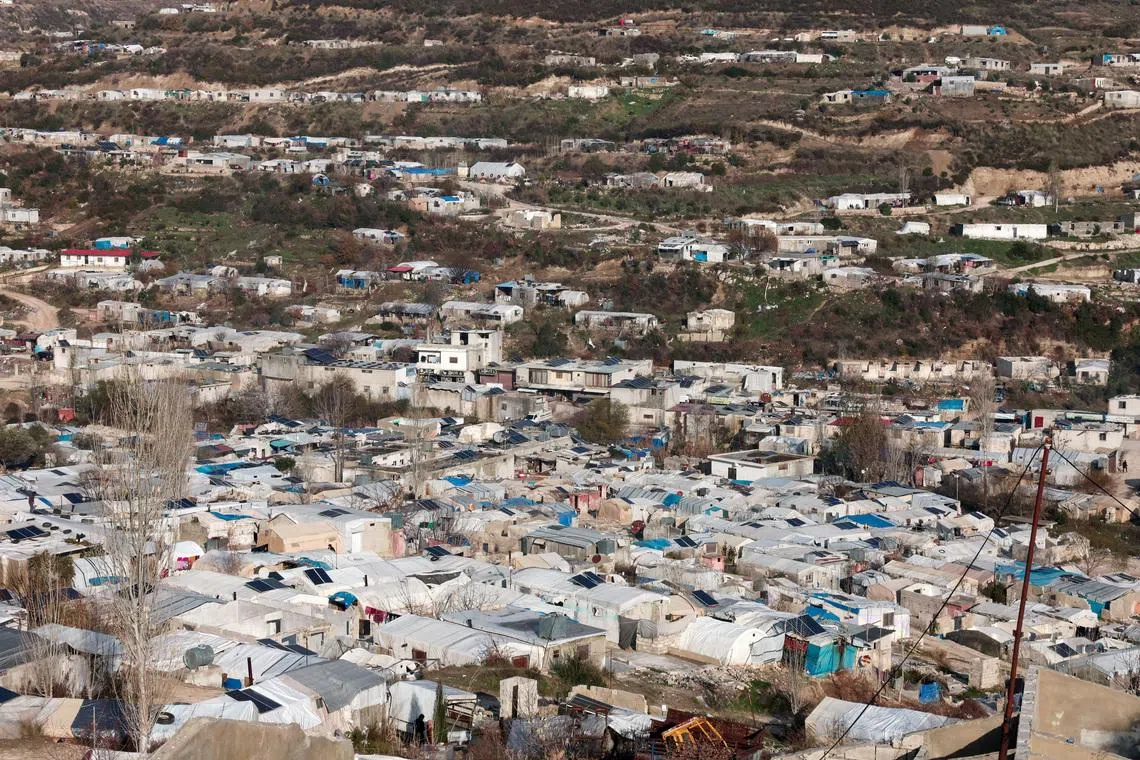
The number of forcibly displaced people worldwide dropped to 117.8 million at the end of 2025, a decline of 5.4 million from the previous year and the first decrease in a decade, according to a UNHCR annual report released June 11, 2026. The decline was driven by a 50% surge in returns, with 14.7 million refugees and internally displaced people going back to their places of origin, though more than 90% of refugee returns were concentrated in Afghanistan, Sudan, and Syria under conditions UNHCR described as unsafe and coerced. The agency warned that unsafe returns risk triggering new displacement cycles, resettlement spots were more than halved to 81,800 in 2025, and emerging crises in Iran and Lebanon in early 2026 have already displaced over 4 million more people.
UNHCR's 2025 Global Trends Report, released on June 11, 2026, found that 117.8 million people were forcibly displaced worldwide at year's end — representing roughly one in every 70 people globally — down from a peak driven by a near-doubling of displacement over the prior decade. The 117.8 million includes 68.6 million internally displaced people, 28.5 million refugees under UNHCR's mandate, 9 million asylum seekers, 7.2 million others in need of international protection, and 6 million Palestinian refugees under UNRWA. Three-quarters of all refugees originated from just seven countries: Venezuela, Palestine, Ukraine, Syria, Afghanistan, Sudan, and South Sudan. The decline in total displacement was attributed to 14.7 million returns — the second-highest figure since records began in 1965 — but UNHCR chief Barham Salih stressed that many returns, particularly the roughly 2.9 million Afghans who returned largely under pressure from stricter policies in Iran and Pakistan, occurred without safe or stable conditions. Resettlement capacity collapsed in 2025, falling from 188,800 spots in 2024 to just 81,800, with the United States cited as a major contributor to the decline, leaving a vast gap against the 2.9 million refugees estimated to need resettlement. The Americas emerged as the world's leading region for forced displacement, with 22.8 million people affected and Colombia becoming the top refugee-hosting country globally with 2.8 million, mostly Venezuelans. Looking ahead, UNHCR flagged that a U.S.-Israeli military campaign launched in late February 2026 had already internally displaced 3.2 million people in Iran and over one million in Lebanon by mid-2026, threatening to reverse the modest progress recorded in 2025; the agency announced a new initiative targeting a 50% reduction in protracted displacement by 2035.
Data: United Nations High Commissioner for Refugees (UNHCR)
What's missing
The sources do not detail what specific policy or diplomatic mechanisms underpin UNHCR's new 2035 initiative to halve protracted displacement, nor do they clarify what binding commitments, if any, governments have made toward it. Additionally, the sources do not address the legal or political accountability framework for the coerced returns to Afghanistan, where UNHCR itself acknowledges conditions are unsafe.
How coverage differed
Al Jazeera's framing placed greater emphasis on the ongoing U.S.-Israel military campaign as a driver of new displacement crises in Iran and Lebanon, and provided more detailed historical context linking past U.S. military interventions to rising refugee numbers, while the other outlets reported the same facts more neutrally without that editorial framing. UPI focused almost exclusively on the Americas as a regional angle, which the other sources treated as secondary context.
What different sources said
- Al JazeeraLeft
One in 70 people worldwide is forcibly displaced: UNHCR
- Channel NewsAsiaCenter
Number of forcibly displaced people dips to 118 million: UN
- NYT WorldLeft
Refugees’ Numbers Drop, but Many Return to Turmoil at Home, U.N. Says
- The HinduCenter
UNHCR says fewer people displaced worldwide in 2025 but long-term refugee crisis persists
- The Straits TimesCenter
UNHCR says fewer people displaced worldwide in 2025 but long-term refugee crisis persists
- ABC NewsCenter
Nearly 118 million people were displaced by conflict, persecution last year, UN says
- UPICenter
U.N: The Americas world's leading region for forced displacement
Related
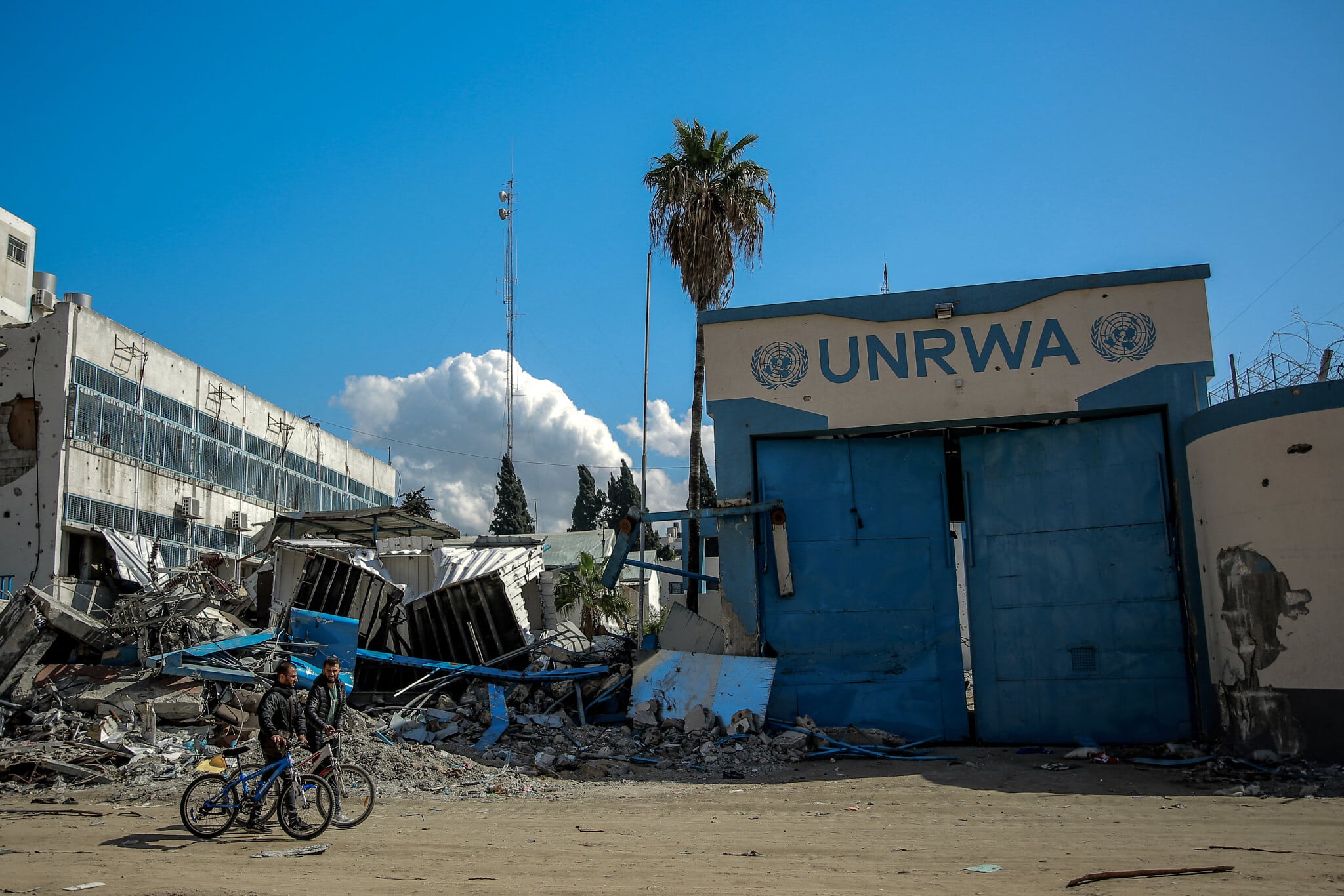
UNRWA Fires 70 Gaza Staff Members, Denies Terminations Validate Hamas Allegations
The UN agency for Palestinian refugees, UNRWA, has dismissed 70 employees in Gaza with immediate effect, citing safety and security risks. The move follows a USAID investigation that referred over 100 UNRWA staff for suspension or dismissal, and longstanding Israeli allegations that significant portions of the agency's workforce have ties to Hamas. The firings mark a significant but contested step in addressing accusations that have dogged the agency since the October 7, 2023 attacks, while UNRWA insists the dismissals are not an admission of guilt.
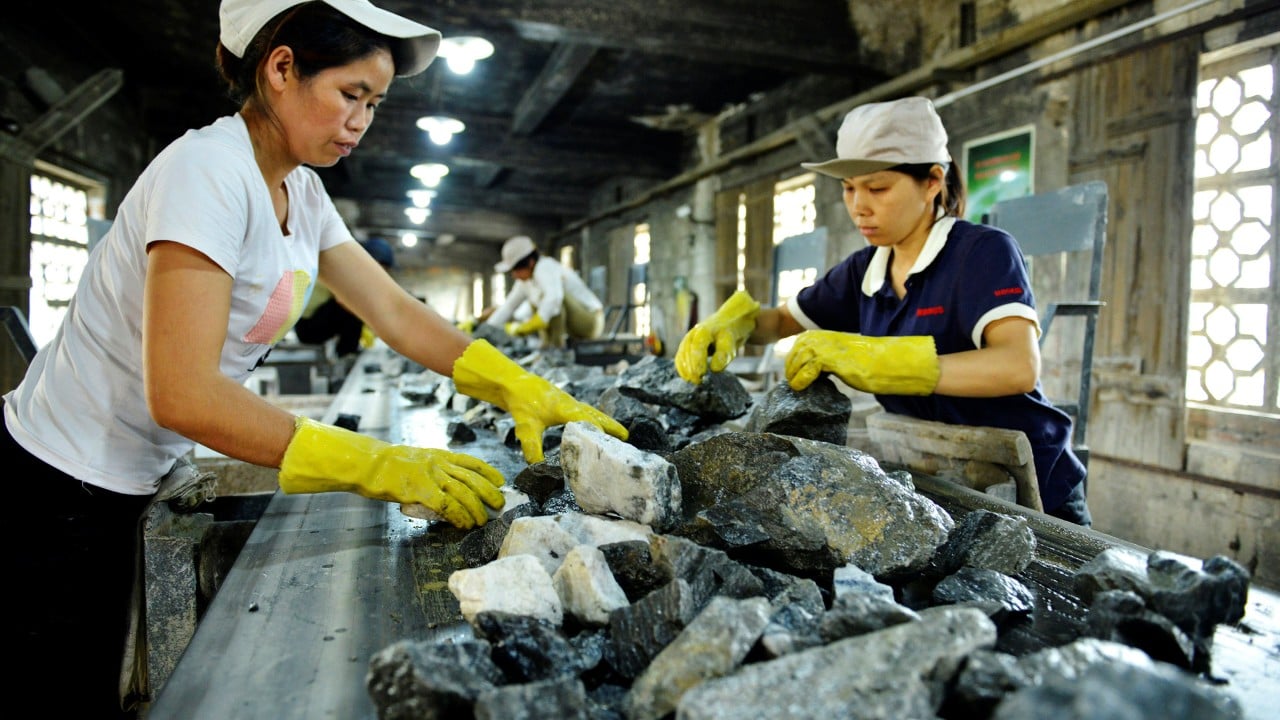
China's Tungsten Export Controls Ripple Through Global Supply Chains, From AI Chips to Weapons
China's 2025 export restrictions on tungsten have triggered price surges, potential production halts at Japanese semiconductor gas manufacturers, and a push to revive domestic mining in the United States. Tungsten, of which China produces over 78 percent of global supply, is critical to both advanced AI chipmaking and military munitions. The disruptions are exposing deep vulnerabilities in Western and Asian supply chains for a material with few short-term substitutes.

Rain Delays Start of India vs Afghanistan 1st ODI in Dharamshala
Persistent drizzle has delayed the toss and cast doubt over the first ODI between India and Afghanistan at the Himachal Pradesh Cricket Association Stadium in Dharamshala. The meteorological department issued an orange alert for June 12 warning of thunderstorms and hail across parts of Himachal Pradesh, with a 60–70% chance of showers forecast throughout the day. The delay threatens what would have been a historically significant match — the first-ever bilateral ODI series between the two nations.