Ghana's President Outlines Challenges of Operating Without USAID Funding
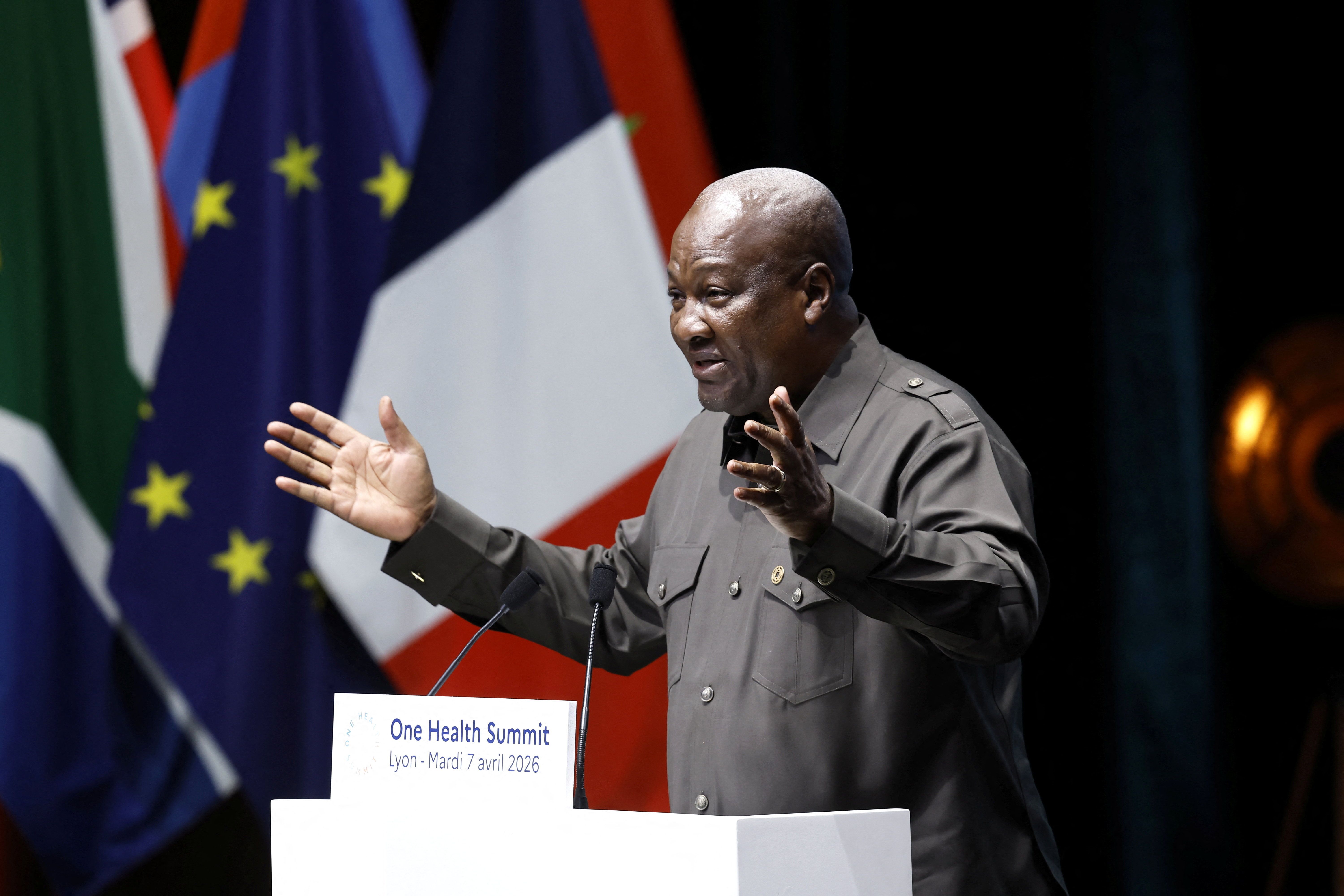
Ghana's President John Dramani Mahama revealed that his country received an average of $154 million annually from USAID, with nearly half supporting critical health services, and has had to tap a government health fund to cover the gap following the agency's shutdown. The withdrawal of US development aid has created significant challenges for African nations, with some rejecting new US health compacts that require data sharing, while others like Ghana have adapted by reallocating domestic resources. The situation underscores broader pressures on smaller nations as Western countries reduce aid budgets and shift spending toward defense.
Ghana's President John Dramani Mahama provided rare insight into the impact of USAID's closure on African governance during remarks at London's Chatham House think tank. The country had budgeted approximately $154 million annually from USAID, with nearly half directed to critical health system areas; Ghana has responded by releasing $300 million from a government health fund to fill the gap. The Trump administration's America First Global Health Strategy conditions funding on countries sharing citizen health data, an arrangement rejected by Ghana, Zambia, and Zimbabwe, though US Secretary of State Marco Rubio reported 32 countries have signed such compacts. The withdrawal has broader consequences: the US was reportedly the largest donor in the DR Congo Ebola response, financing around 70% of humanitarian work, and health experts warn that the sudden removal of aid workers may have disabled early warning systems, allowing the Bundibugyo strain of Ebola to circulate undetected for weeks. Mahama emphasized that African nations must improve governance and reduce waste to withstand future international shocks, as a return to previous levels of global support is unlikely.
What's missing
The specific timeline of USAID's shutdown and when these funding gaps began is not provided. Additionally, the article does not detail Ghana's broader economic situation or other revenue sources that might offset the aid loss beyond the government health fund mentioned.
What different sources said
- SemaforCenter
Ghana's president offers insights on life after USAID
Related

UK Government to Extend Shop Closure Powers to 12 Months Following BBC Investigation into Illegal Mini-Marts
The UK government announced new powers allowing authorities to close illegal mini-marts, barbers, and vape shops for up to 12 months, doubling the current maximum closure period of six months. The change follows a BBC News investigation exposing drug gangs, money laundering, and other organized crime linked to shops selling illegal cigarettes, vapes, and drugs on British high streets. The measure aims to give investigators more time to gather evidence and prevent rogue operators from quickly reopening, with support from Trading Standards officers who have long lacked sufficient enforcement tools.

Belfast Residents Evacuate as Disorder Erupts Following Knife Attack
Residents in Belfast have been forced to flee their homes as cars and houses are set on fire following a knife attack in north Belfast on Monday night. A 30-year-old Sudanese man has been charged with attempted murder, while a victim remains hospitalized with serious injuries. The disorder has prompted police to call for calm as sporadic violence breaks out across Northern Ireland.
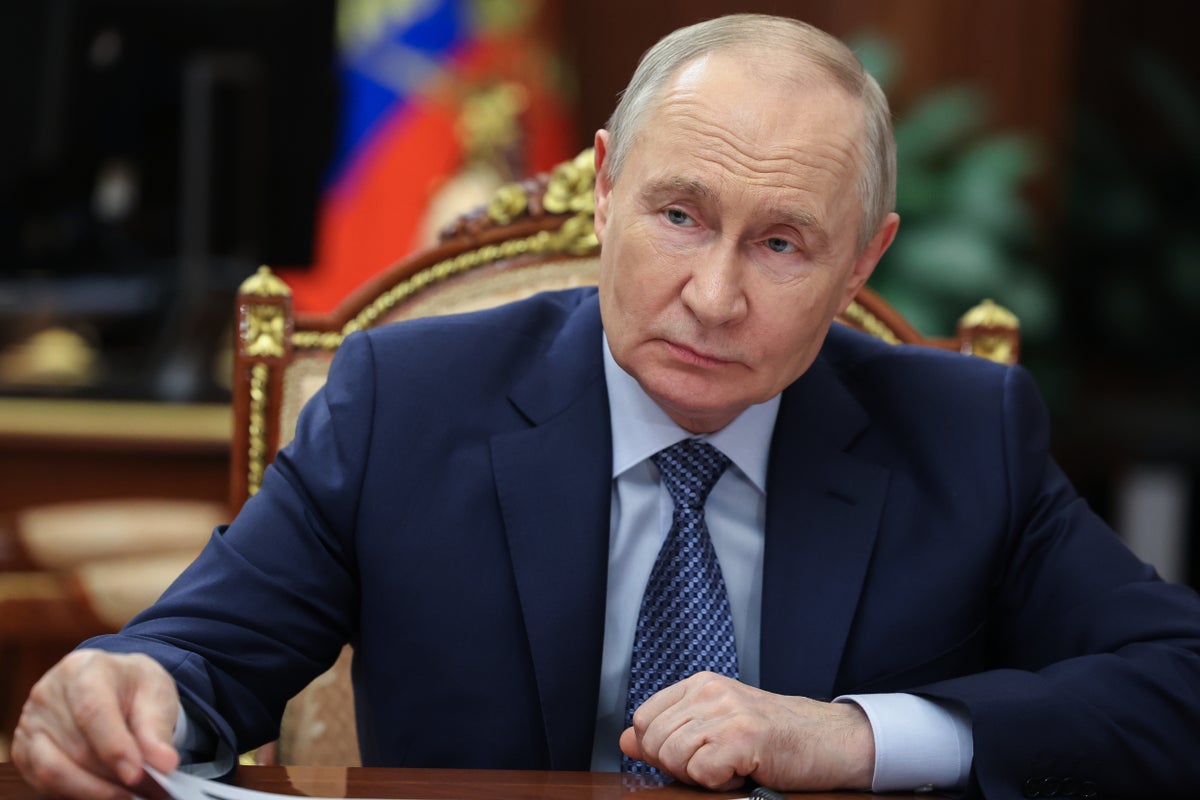
Russian General Killed in Moscow Car Bombing; Ukraine War Escalates with Drone Attacks and EU Sanctions
Damir Davydov, head of Russia's missile and artillery supply operations, was killed in a car explosion in the Moscow region on Tuesday morning, according to officials. The attack occurs amid intensifying Ukrainian drone strikes on Russian infrastructure and military leadership, though Ukraine has not claimed responsibility. The incident underscores the ongoing conflict's expansion into Russian territory and comes as the EU proposes its 21st sanctions package targeting Russian banks and military production.