Germany Faces Severe Economic Threat from Chinese Competition and Corporate Relocation

German companies like BASF and Mercedes-Benz are shifting operations and investment to China, contributing to the loss of 10,000 German jobs monthly and threatening the country's industrial base. This represents a more severe challenge than the original "China Shock" of the 2000s, which primarily affected low-wage manufacturing in the US. The crisis highlights a fundamental conflict between European corporate interests in accessing Chinese markets and national economic security concerns.
Germany is experiencing what analysts call "China Shock 2.0," a wave of heavily subsidized Chinese exports and corporate relocation that threatens the country's industrial heartland more severely than the US experienced during the original China Shock. Major German corporations including BASF and Mercedes-Benz are expanding operations in China while reducing German workforce and investment, with approximately 10,000 German jobs disappearing monthly. Unlike the initial China Shock, which primarily involved US multinationals outsourcing low-end assembly work, German industrial titans are relocating high-value activities including R&D, software development, and brand identity itself to China. The EU is preparing protective measures including a proposed Industrial Accelerator Act with "Made in EU" sourcing requirements, but Germany's corporate sector is resisting, viewing China as essential to their future growth. Cities like Stuttgart, home to Germany's auto industry, are implementing austerity budgets as tax revenues decline and employment contracts.
What different sources said
- SemaforCenter
Germany bears the brunt of China Shock 2.0
Related

U.S. Markets Stage Rebounds Following Chip Stock Selloff
U.S. markets have rebounded twice following a dramatic Friday selloff in chip stocks, with gains at Monday's open and Tuesday afternoon. The Nasdaq 100 remains down 4.25% for the month despite the recoveries, and volatility has increased sharply. The pattern reflects the market's traditional 'buy the dip' behavior as investors resist giving up recent gains.
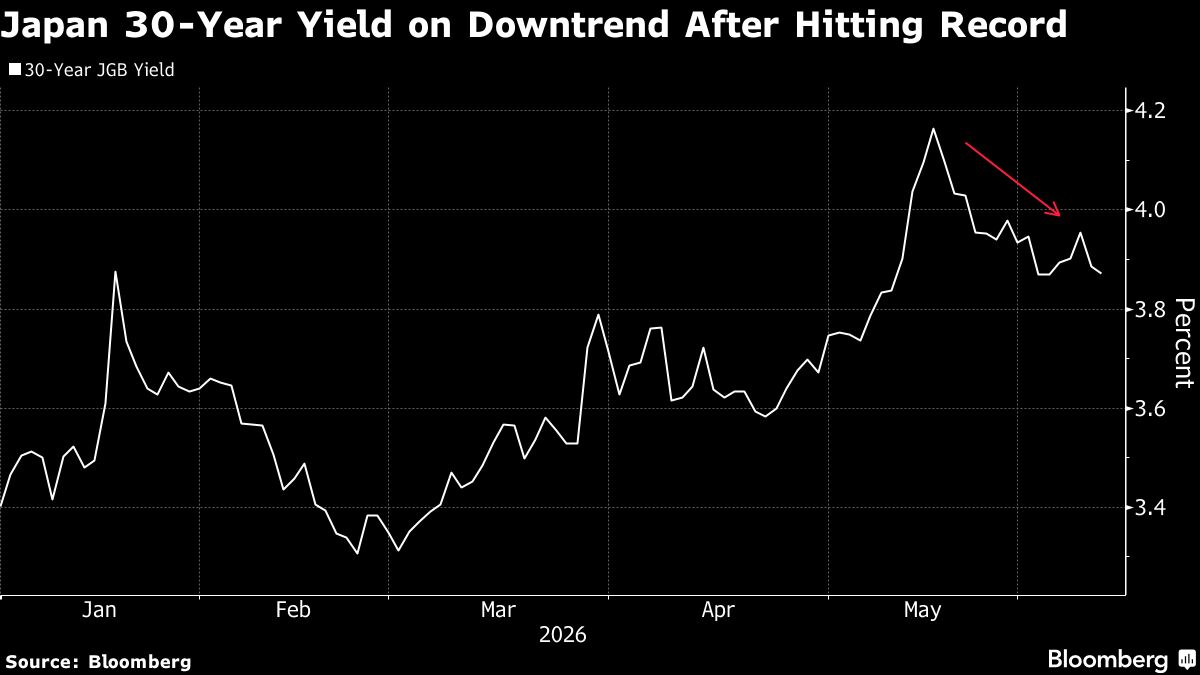
Japan's 30-Year Bond Auction Sees Weakest Demand in Over a Year
Japan's 30-year government bond auction on June 10, 2026 attracted the weakest demand since June 2025, with a bid-to-cover ratio of 2.94 compared to the previous 3.49. The decline reflects investor concerns over inflation and fiscal policy, as well as falling yields reducing appetite for the bonds. Weak bond demand can signal investor anxiety about Japan's economic outlook and fiscal sustainability.
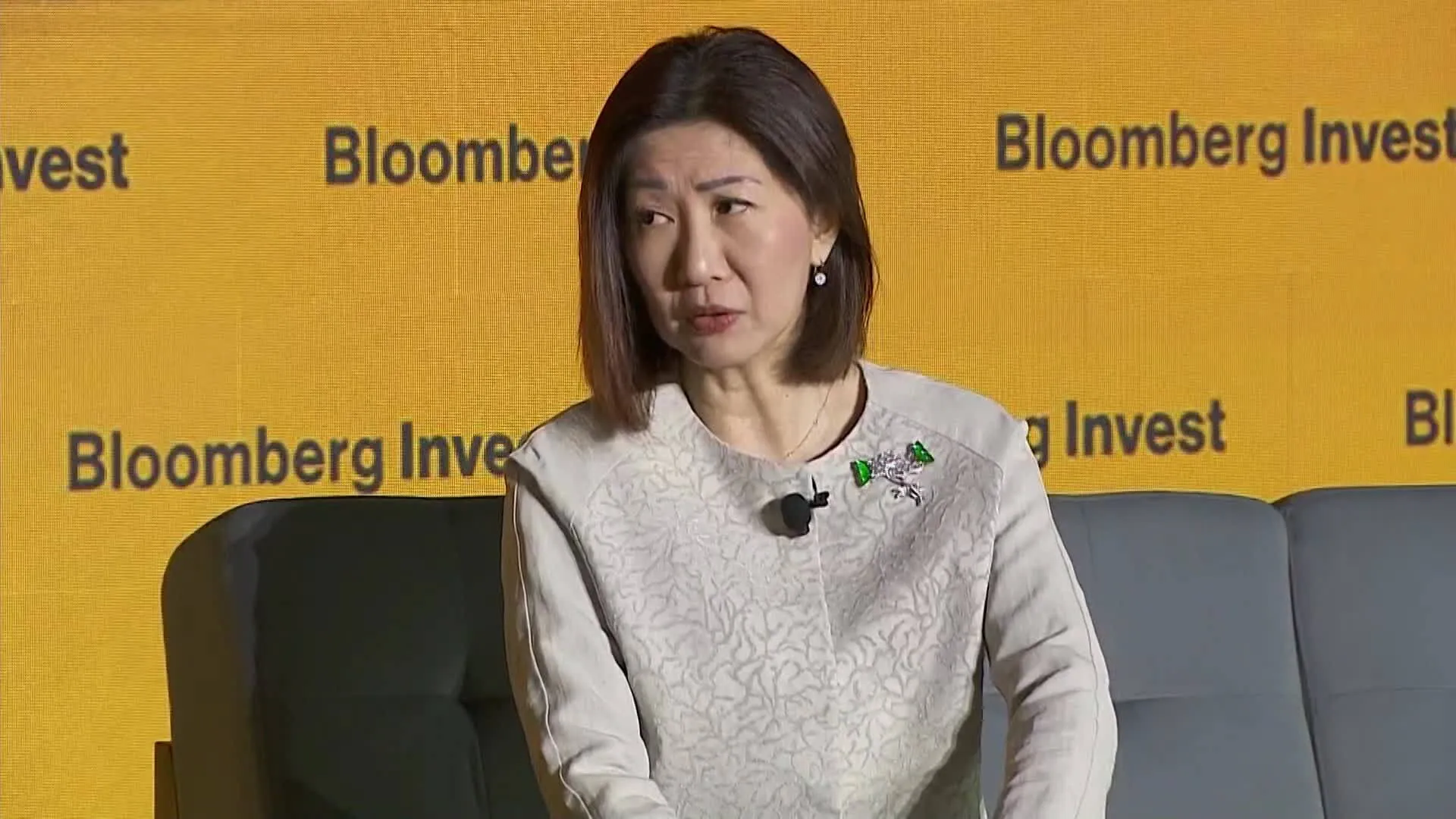
HKEx CEO Bonnie Chan Calls Potential SpaceX Listing an 'Exciting Deal'
Hong Kong Exchanges and Clearing (HKEx) CEO Bonnie Chan expressed enthusiasm about a potential SpaceX listing, describing it as an exciting opportunity. Chan highlighted that Chinese supply chains have broad coverage relevant to such a deal. The statement suggests HKEx's interest in attracting major space industry companies to its exchange.