France and Germany abandon joint next-generation fighter jet project
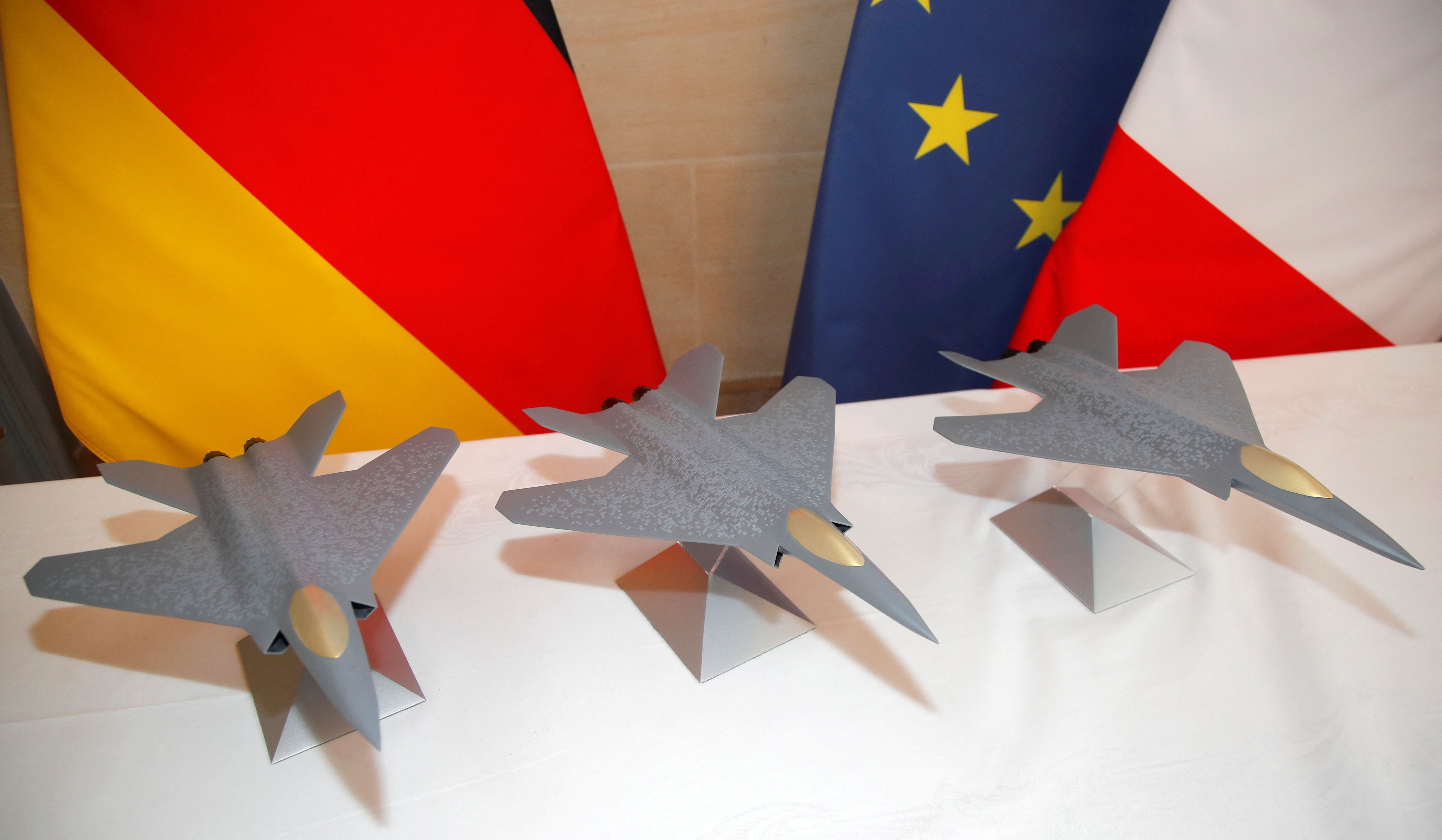
France and Germany have officially abandoned the fighter jet component of the Future Combat Air System (FCAS), a €100 billion joint defense program launched in 2017, after manufacturers Dassault Aviation and Airbus failed to resolve disputes over industrial leadership, intellectual property, and differing military requirements. The project, intended to replace France's Rafale and Germany and Spain's Eurofighter fleets by around 2040, was derailed by Dassault's insistence on leading the program and France's need for a carrier-capable, nuclear-armed aircraft that Germany did not require. The collapse is widely seen as a major setback for European defense autonomy at a moment when the continent faces pressure from Russia and uncertainty over US security commitments.
German Chancellor Friedrich Merz and French President Emmanuel Macron reached a shared assessment that Dassault Aviation and Airbus — the French and German-Spanish industrial partners respectively — could not agree on the governance, workshare, or design of the Next Generation Fighter (NGF), the crewed jet at the heart of FCAS. Dassault had demanded lead-partner status to protect its intellectual property, while Airbus sought a more equal partnership with significant technology transfers; the two sides also clashed over France's requirement for a carrier-capable, nuclear-armed aircraft that Germany did not need. The decision was reportedly taken on the sidelines of an EU-Balkans summit in Montenegro, with German Defense Minister Boris Pistorius bluntly describing FCAS as 'an ambitious European project that has crashed into reality.' Despite the collapse of the fighter jet element, both governments indicated that other FCAS components — including a 'combat cloud' data network linking aircraft, drones, and sensors — would continue, and defense ministers are set to meet in July to reset cooperation. Within days of the announcement, Airbus launched 'Team Gen 6' at the ILA Berlin air show, an eight-company German consortium including MBDA, Hensoldt, MTU Aero Engines, and others, joined by a parallel Spanish grouping, aiming to develop a sixth-generation fighter under German-Spanish leadership. Germany is simultaneously weighing alternatives including purchasing additional F-35s or joining the UK-Italy-Japan Global Combat Air Programme (GCAP), though Leonardo's CEO warned that adding Germany to GCAP could delay its 2035 target. The failure has intensified broader questions about Europe's ability to execute large-scale multinational defense programs at a time of historic rearmament pledges.
What's missing
It remains unclear what specific contractual or financial obligations France, Germany, and Spain face following the cancellation, and whether any sunk costs from Phase 1A and 1B of FCAS development are recoverable or transferable to successor programs.
How coverage differed
Right-leaning outlets such as Fox News and Daily Wire emphasized the collapse as evidence of European inability to defend itself without the United States, framing it as a strategic embarrassment and a potential driver of continued US-dependency. Left-leaning and centrist outlets like The Guardian, Deutsche Welle, and Al Jazeera focused more on the industrial and political failures behind the collapse while also contextualizing it within broader — and still ongoing — European defense integration efforts, with analysts quoted cautioning against alarmism.
What different sources said
- The RegisterCenter
France and Germany agree to disagree, ditch joint next-gen Euro fighter
- SemaforCenter
Germany-France fighter jet project dies
- France 24Center
Germany and France scrap landmark next-generation fighter jet project
- Deutsche WelleCenter
Franco-German fighter jet project collapses after industry dispute
- The GuardianLeft
France and Germany abandon joint project to build European fighter jet
- EuronewsCenter
ILA Berlin: Fighter jets still fly but drones dominate the conversation
- The Jerusalem PostRight
ILA Berlin 2026 opens under shadow of Iran war
- CNBCCenter
Mercedes-Benz joins Europe’s defense push with anti-drone vehicle deal
- ReutersCenter
Airbus leans towards Saab as Franco-German fighter unravels
- politico.euCenter
How Germany turned a fighter jet failure into an opportunity
- Daily WireRight
Europe’s $116 Billion Fighter Jet Project Crashes And Burns
- BreitbartFar Right
Europe Rearm Blunder: France and Germany Scrap Troubled 100B Euro Fighter Jet Project
- Fox NewsRight
Europe's $116B fighter jet 'failure' raises fresh doubts about ability to defend itself without US
- Breaking DefenseCenter
Drone wingmen face off at Berlin Air Show in race for German CCA
- Defense NewsCenter
Germany welcome in GCAP, but new Leonardo boss warns about timing
- The Straits TimesCenter
German air show opens under shadow of Iran war, fighter project collapse
- The War ZoneCenter
Germany And Spain Launch ‘Team Gen 6’ After Europe’s Next-Gen Fighter Effort Collapses
- The AviationistCenter
German Industry Announce "Team Gen 6" to Develop FCAS Alternative
- Al JazeeraLeft
France-Germany jet plans crash: Can Europe end reliance on US for security?
Related
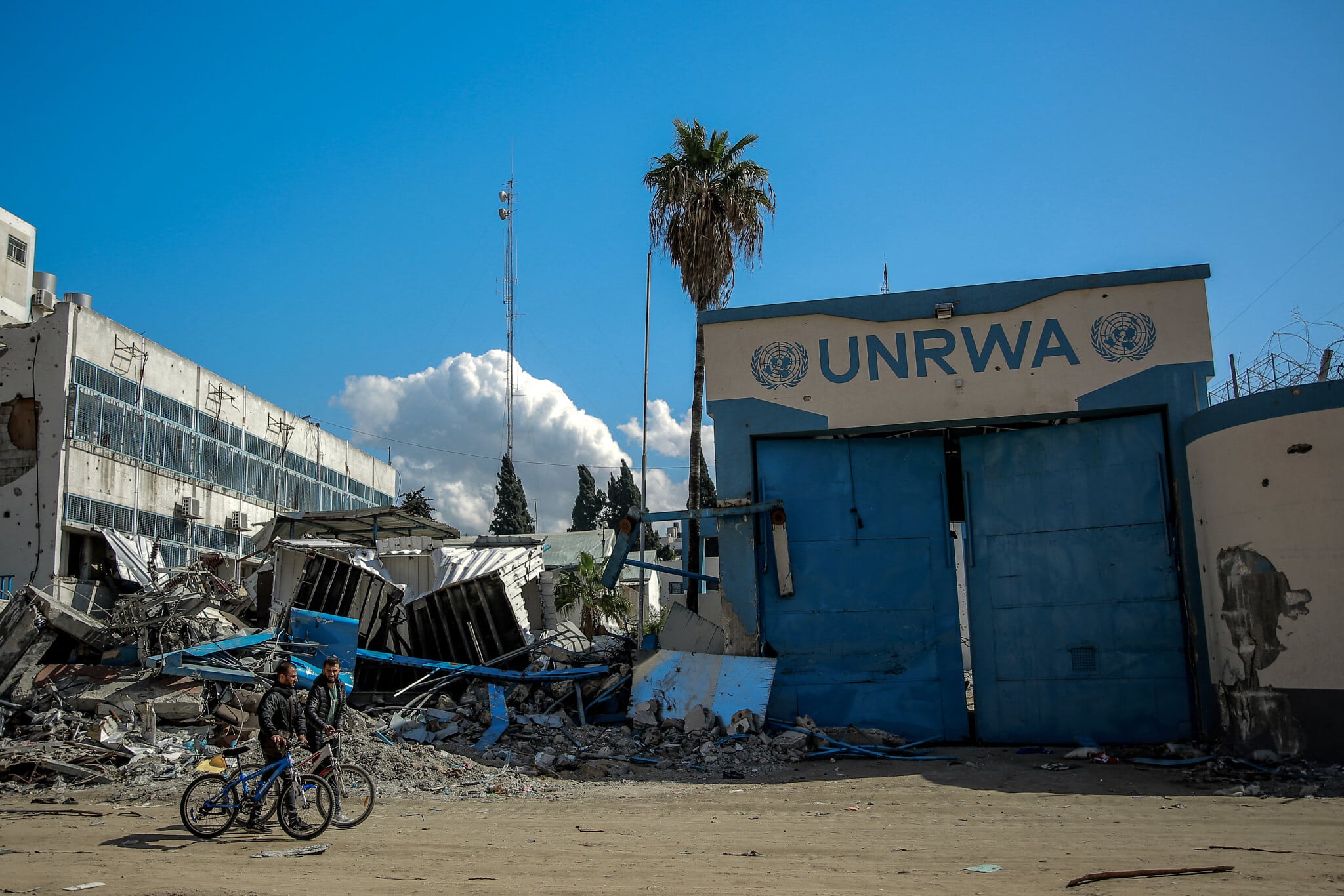
UNRWA Fires 70 Gaza Staff Members, Denies Terminations Validate Hamas Allegations
The UN agency for Palestinian refugees, UNRWA, has dismissed 70 employees in Gaza with immediate effect, citing safety and security risks. The move follows a USAID investigation that referred over 100 UNRWA staff for suspension or dismissal, and longstanding Israeli allegations that significant portions of the agency's workforce have ties to Hamas. The firings mark a significant but contested step in addressing accusations that have dogged the agency since the October 7, 2023 attacks, while UNRWA insists the dismissals are not an admission of guilt.
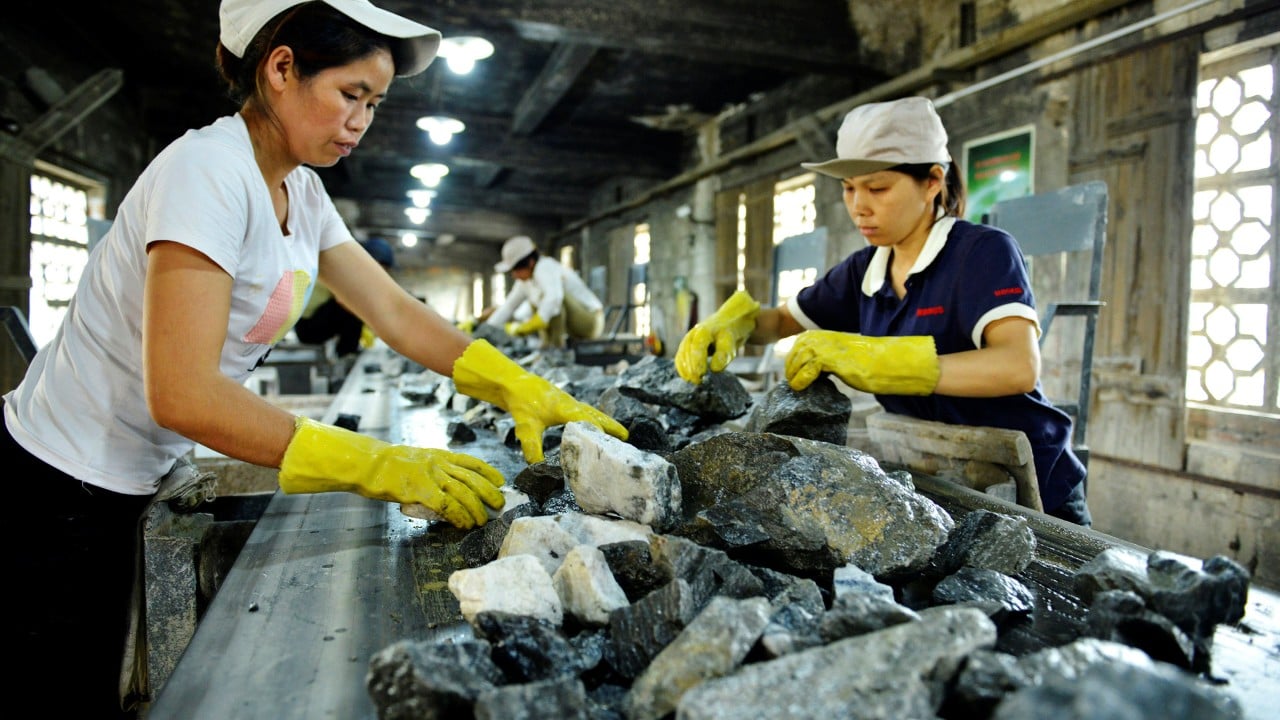
China's Tungsten Export Controls Ripple Through Global Supply Chains, From AI Chips to Weapons
China's 2025 export restrictions on tungsten have triggered price surges, potential production halts at Japanese semiconductor gas manufacturers, and a push to revive domestic mining in the United States. Tungsten, of which China produces over 78 percent of global supply, is critical to both advanced AI chipmaking and military munitions. The disruptions are exposing deep vulnerabilities in Western and Asian supply chains for a material with few short-term substitutes.

Rain Delays Start of India vs Afghanistan 1st ODI in Dharamshala
Persistent drizzle has delayed the toss and cast doubt over the first ODI between India and Afghanistan at the Himachal Pradesh Cricket Association Stadium in Dharamshala. The meteorological department issued an orange alert for June 12 warning of thunderstorms and hail across parts of Himachal Pradesh, with a 60–70% chance of showers forecast throughout the day. The delay threatens what would have been a historically significant match — the first-ever bilateral ODI series between the two nations.