Framework Identifies Optimal Points for Injecting Diversity in Language Model Generation
Researchers introduced a unified framework that characterizes where and how to inject diversity into large language model outputs during generation. The framework measures how effectively variation in diversity sources reaches final outputs through a "transmission score." This matters because it provides systematic guidance for building language models that produce meaningfully different outputs rather than repetitive generations.
A new study from arXiv proposes a framework for understanding test-time diversity methods in large language models, which often struggle to produce varied outputs despite being asked for multiple different responses. The researchers introduce the concept of a "transmission score" to measure how effectively diversity introduced at different generation stages actually reaches the final output. They propose specification-level generation methods that first create diverse intermediate specifications before conditioning on them to produce final responses. Testing across five open-ended tasks and four different backbone models, their approach improved output diversity compared to existing test-time baselines while maintaining comparable quality. The analysis reveals that successful diversity injection depends on both the inherent diversity of source materials and how effectively that diversity propagates through the generation pipeline.
What's missing
The study's own limitations and scope constraints are not detailed in the abstract provided. Specific examples of the five open-ended tasks tested and the four backbone models used are not enumerated in the abstract.
What different sources said
- arXiv cs.CLCenter
Where You Inject Diversity Matters: A Unified Framework for Diverse Generation
Related
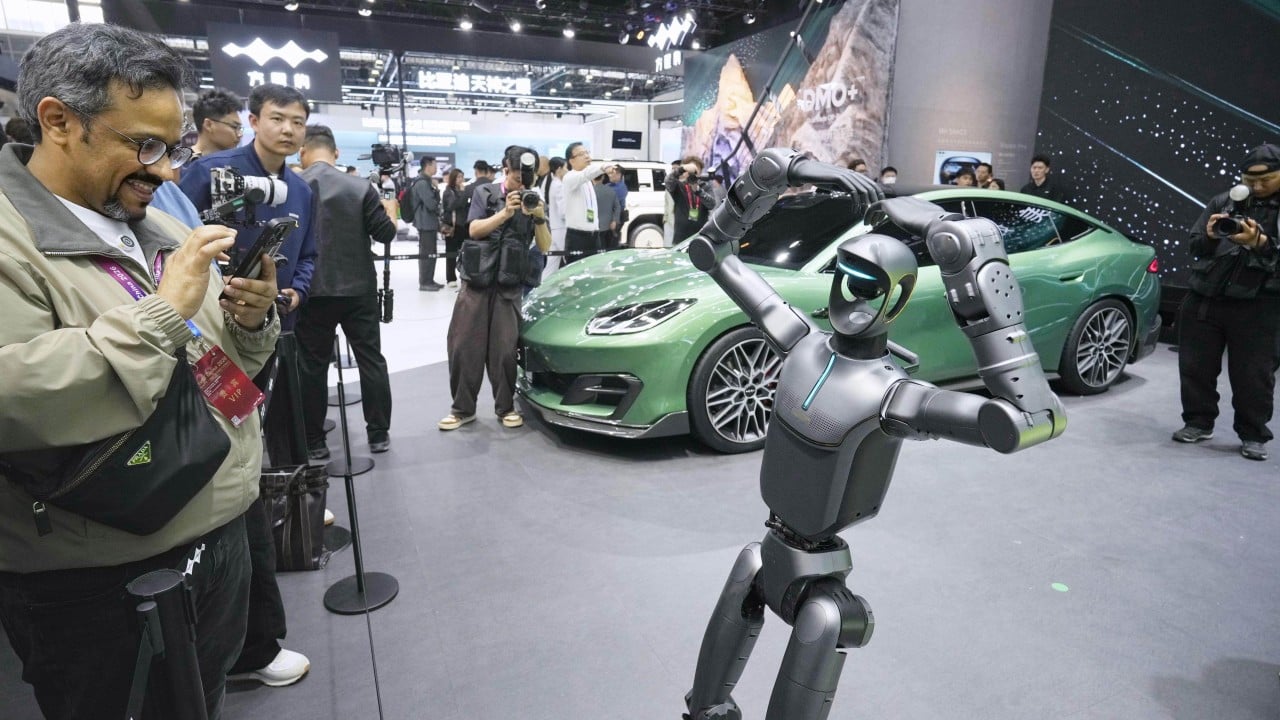
Chinese EV Makers BYD and Xpeng Accelerate Humanoid Robot Development to Compete with Tesla
Chinese electric vehicle manufacturers including BYD and Xpeng are expanding beyond automobiles to develop and commercialize humanoid robots, viewing AI advances as a path to a new market. This represents a strategic shift for major EV makers who have traditionally focused on electric cars and autonomous driving technology. The move signals intensifying competition in robotics as Chinese firms seek to diversify revenue streams and compete globally in emerging AI-driven sectors.

Bill Gates warns tech giants that data center expansion cannot raise household power costs
Bill Gates told major tech companies on CNBC that they lack permission to increase residential electricity bills through data center construction, despite the economic and competitive pressures driving expansion. The warning comes as 48 data center projects worth $156 billion were blocked or stalled in 2025, and public opposition has reached unprecedented levels with 70% of Americans opposing data centers near their homes. Gates's message underscores that tech companies must secure genuine community support and absorb infrastructure costs themselves, not pass them to ratepayers.

Major Delhi Data Centre Fire Destroys Equipment Worth Hundreds of Crores, Disrupts Internet Services
A fire broke out on the third floor of ST Telemedia GDC's data centre facility in Delhi's Greater Kailash on June 5, 2026, destroying equipment and causing significant service disruptions for Google, Netflix, and multiple local internet service providers. The fire, categorized as a massive blaze, started in the battery room and was extinguished after several hours, with two firefighters injured but no loss of life reported. The incident highlights vulnerabilities in data centre fire safety protocols and raises questions about whether inert gas suppression systems were adequately stocked.