Food Waste-to-Electricity Project in Sivaganga Stalled After Machinery Breakdown

A biogas-based electricity generation system in Sivaganga, Tamil Nadu that converts food waste to power has been non-operational for six months due to machinery failure. The ₹66 lakh project, established under the Rurban Mission in 2021, was previously praised by Prime Minister Narendra Modi and generated 220 kW of daily electricity for local use. Officials say repairs require the original private company and operations should resume soon.
A food waste-to-electricity project in Kanjirangal village near Sivaganga, Tamil Nadu has stalled following a machinery breakdown approximately six months ago. Established in August 2021 under the Rurban Mission at a cost of ₹66 lakh, the system processed two tonnes of food waste daily through anaerobic digestion to produce methane gas, generating 220 kW of electricity used for streetlights, battery vehicles, and electric motors. The project reduced the local panchayat's electricity bills by several thousand rupees and provided employment to about three residents. Prime Minister Narendra Modi praised the initiative in his 'Mann Ki Baat' radio program. The private company that built the system maintained it until 2023, after which the Panchayat Administration took over operations. Rural Development Department officials stated that only the original private company can repair the machinery and that discussions are underway to restore functionality.
What's missing
The specific nature of the machinery breakdown and why repairs cannot be conducted by local technicians or alternative service providers is not detailed. Additionally, the timeline for expected repairs and the estimated cost of restoration are not provided.
What different sources said
- The HinduCenter
Project to generate electricity from food waste in Sivaganga stalled
Related

Halfway Through 2026 Primary Season: Six Key Takeaways from Congressional Races
Four more states held primaries this week, bringing the total to 26 states that have completed regular congressional primaries in the 2026 midterm cycle. Key patterns emerging include front-runners not always winning, House members struggling to advance to statewide office, and President Trump's endorsement record remaining largely successful despite low approval ratings. These trends are shaping the competitive landscape for the general election.
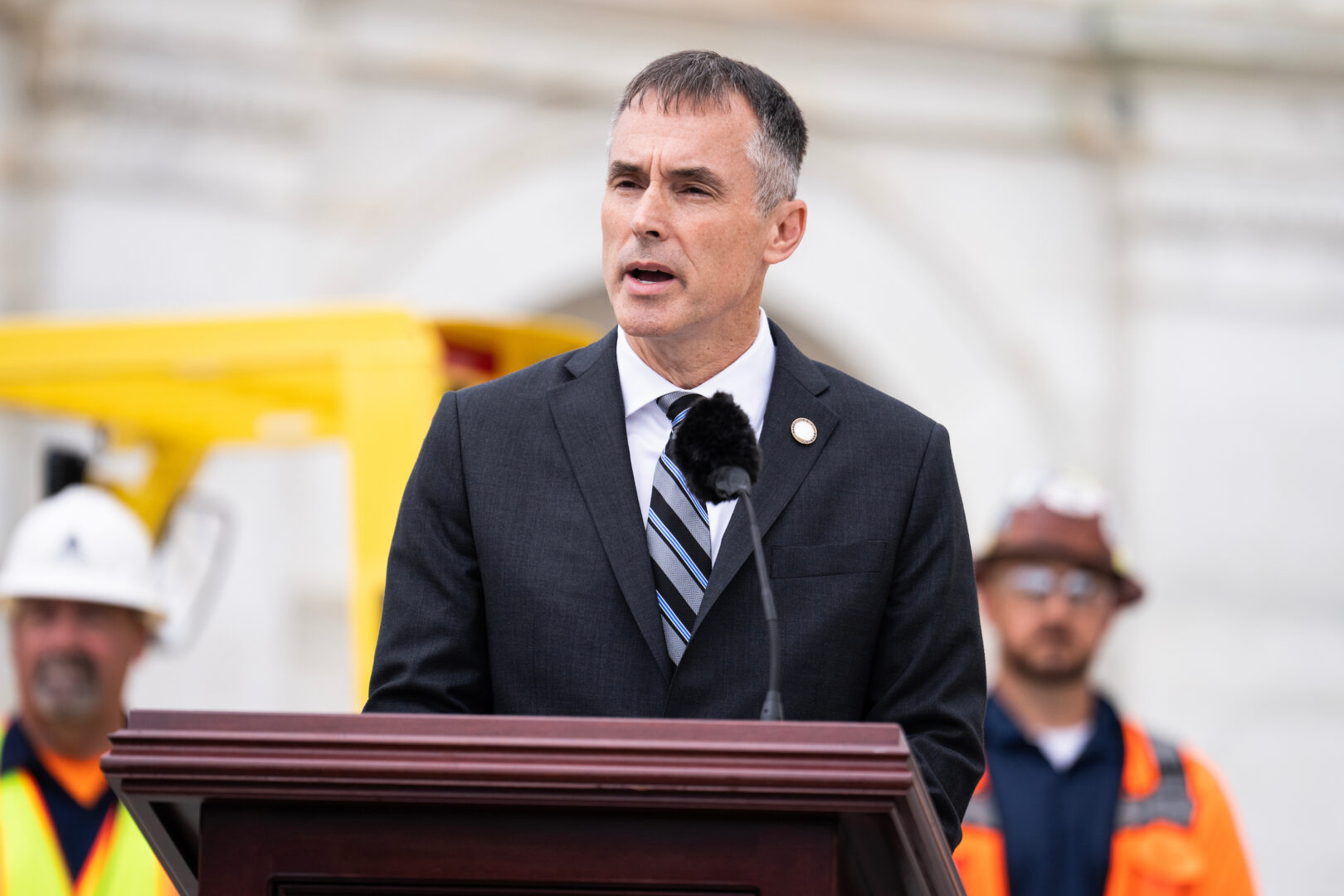
Congress Struggles to Build Support for $9 Billion Rayburn House Office Building Renovation
The Architect of the Capitol is pushing for a major renovation of the Rayburn House Office Building, which could cost $9 billion and last until 2045, but lawmakers remain hesitant to commit to the project. The building, constructed in 1965, is experiencing serious deterioration including 16 major leaks in the past year alone and risks of catastrophic system failure. The challenge reflects a broader political difficulty: Congress has historically been reluctant to fund its own infrastructure, with legislative branch spending averaging just 0.15 percent of total budget authority since 1976.

Study Finds College Faculty Lean Significantly Left, Raising Questions About Campus Ideological Diversity
A study commissioned by the Foundation for Individual Rights and Expression found that college faculty donors have an average ideology score of -1.02, comparable to Senator Bernie Sanders's -1.14, indicating strong leftward lean among faculty. The research cross-referenced over 100,000 faculty members with campaign contribution data, and separate surveys found only 20% of faculty believed a conservative scholar would be welcome in their department. The findings raise concerns about ideological diversity in higher education and its potential influence on student political attitudes.