Five Fixed-Income Strategies to Strengthen Emergency Funds in India

Financial experts recommend moving emergency savings from low-yield bank accounts into a mix of fixed-income products including fixed deposits, liquid funds, and government-backed instruments. The strategy aims to balance safety, liquidity, and returns while protecting against inflation. This approach helps Indians maximize the effectiveness of emergency funds without taking on significant market risk.
According to Saurabh Jain, CEO of Stable Money, Indians can improve their emergency fund effectiveness by diversifying across fixed-income products rather than keeping savings in regular bank accounts. The recommended strategies include: allocating funds to higher-yield fixed deposits (with DICGC protection up to Rs 5 lakh), using FD laddering across different maturity periods for improved liquidity, parking short-term surplus in liquid and ultra-short-duration funds, incorporating government-backed products like RBI bonds for stability, and building emergency funds through recurring deposits. Each strategy addresses specific concerns—inflation erosion, access during emergencies, and capital preservation—while maintaining relatively low volatility and market risk exposure.
What's missing
The article does not provide comparative interest rate data or specific returns offered by different fixed-income products mentioned, making it difficult for readers to assess actual yield improvements. Additionally, there is no discussion of tax implications of these various fixed-income instruments, which could significantly affect net returns for different income brackets.
What different sources said
- NDTVCenter
Want A Stronger Emergency Fund? Try These 5 Fixed-Income Ideas
Related

U.S. Markets Stage Rebounds Following Chip Stock Selloff
U.S. markets have rebounded twice following a dramatic Friday selloff in chip stocks, with gains at Monday's open and Tuesday afternoon. The Nasdaq 100 remains down 4.25% for the month despite the recoveries, and volatility has increased sharply. The pattern reflects the market's traditional 'buy the dip' behavior as investors resist giving up recent gains.
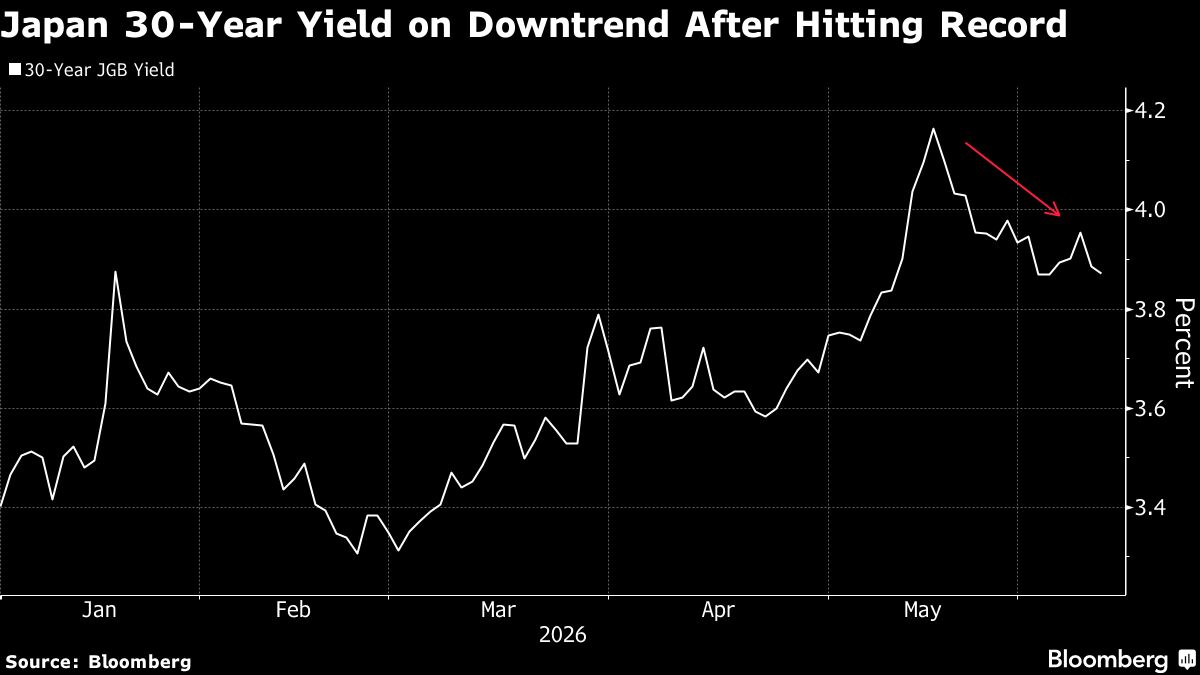
Japan's 30-Year Bond Auction Sees Weakest Demand in Over a Year
Japan's 30-year government bond auction on June 10, 2026 attracted the weakest demand since June 2025, with a bid-to-cover ratio of 2.94 compared to the previous 3.49. The decline reflects investor concerns over inflation and fiscal policy, as well as falling yields reducing appetite for the bonds. Weak bond demand can signal investor anxiety about Japan's economic outlook and fiscal sustainability.
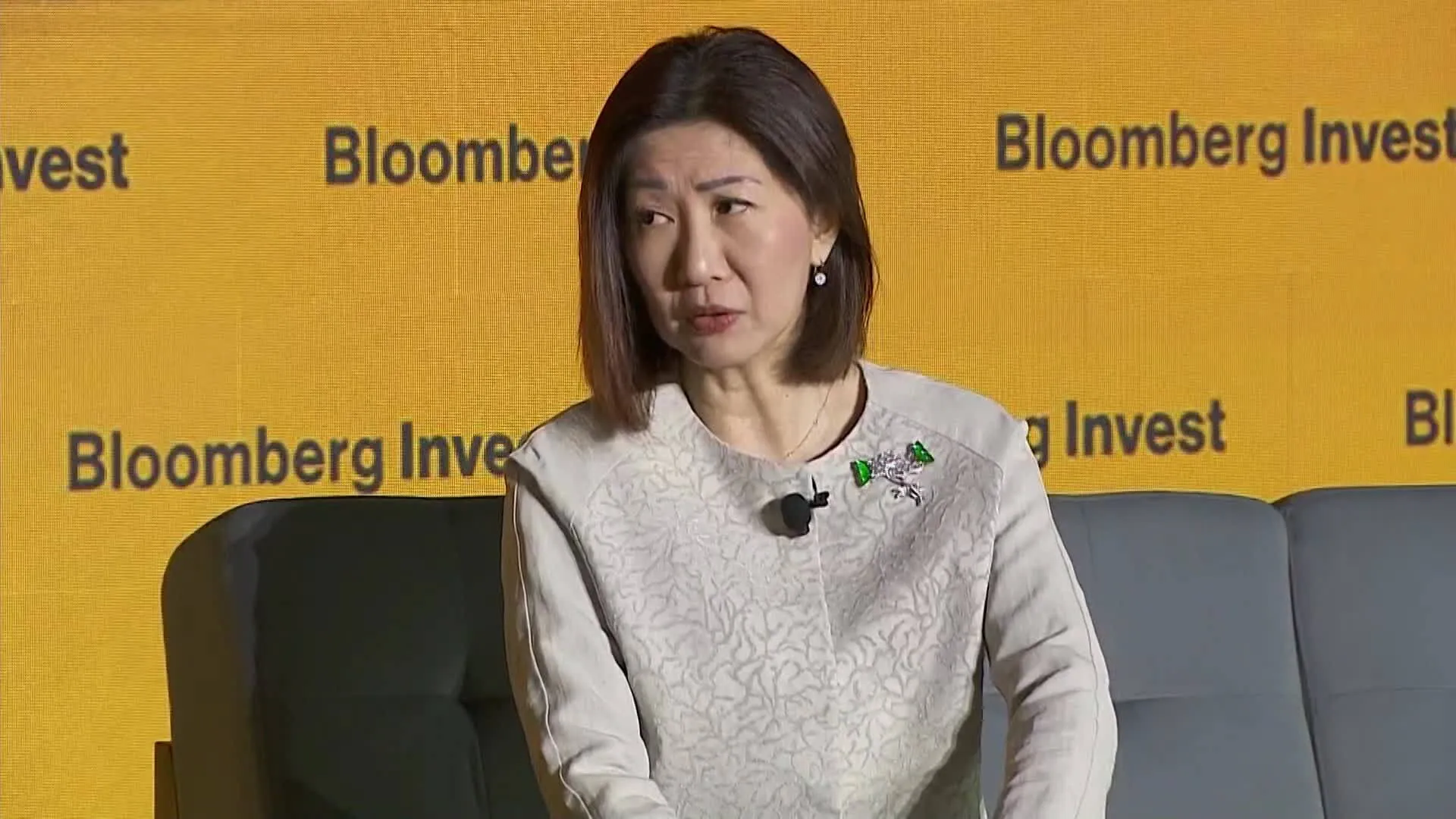
HKEx CEO Bonnie Chan Calls Potential SpaceX Listing an 'Exciting Deal'
Hong Kong Exchanges and Clearing (HKEx) CEO Bonnie Chan expressed enthusiasm about a potential SpaceX listing, describing it as an exciting opportunity. Chan highlighted that Chinese supply chains have broad coverage relevant to such a deal. The statement suggests HKEx's interest in attracting major space industry companies to its exchange.