Five Dark Horse Teams Predicted to Shock at 2026 FIFA World Cup

The New York Post has identified five underdog nations—Norway, Ecuador, Colombia, and two others—that could surprise at the 2026 FIFA World Cup, which will be held across the United States, Canada, and Mexico with an expanded 48-team format. The article cites Morocco's 2026 semifinal run as precedent for how underdogs can thrive in World Cup tournaments. The expanded format and multi-country hosting across different time zones and climates are expected to create conditions favorable to upsets.
The article argues that the 2026 FIFA World Cup's expanded 48-team format and tri-national hosting across the United States, Canada, and Mexico will create ideal conditions for underdog nations to advance further than expected. Drawing on Morocco's surprising 2022 semifinal run as a model, the piece identifies teams built on chemistry, athleticism, and adaptability rather than star power alone as likely contenders. Norway is highlighted as a sleeping giant making their first World Cup appearance since 1998, anchored by Manchester City's Erling Haaland and Arsenal's Martin Odegaard. Ecuador is presented as a team well-suited to the heat of North American summers, having developed a disciplined defensive approach under manager Sebastian Beccacece. Colombia is characterized as an attacking-minded team with players like Luis Diaz and James Rodriguez, though noted for defensive vulnerabilities. The article suggests that the tournament's logistical complexity—vast distances, multiple time zones, and varied climates—will reward teams with strong team cohesion over those relying solely on individual talent.
What's missing
The article is incomplete—it mentions five dark horses and two 'true Cinderella stories' but only details three teams (Norway, Ecuador, Colombia) before cutting off. The identities of the remaining two dark horses and the two Cinderella teams are not provided in the excerpt.
What different sources said
- New York PostRight
2026 FIFA World Cup dark horses: Five teams that could shock the world
Related
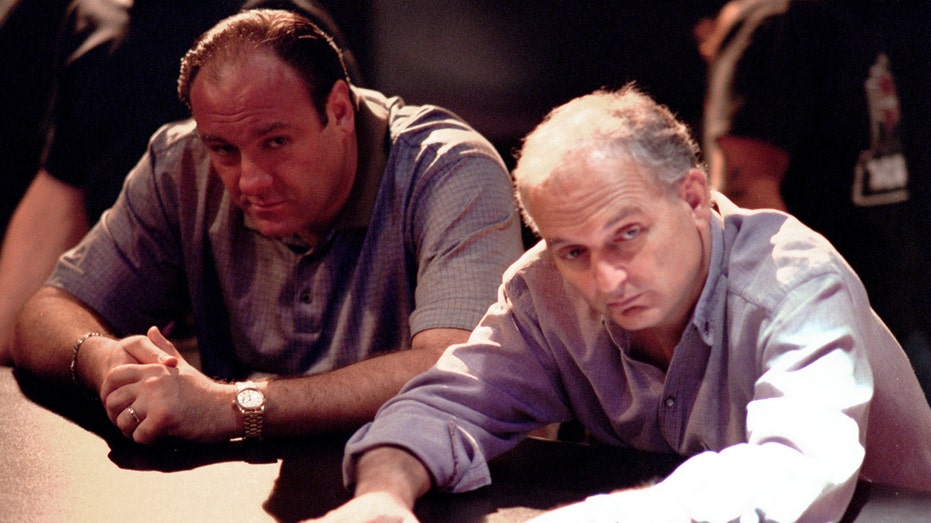
Fan Theories About 'The Sopranos' Finale and Character Arcs Remain Popular 19 Years After Series Ended
Fox News published an article examining fan theories about HBO's 'The Sopranos' on the 19th anniversary of its June 10, 2007 finale. The piece explores multiple interpretations of the show's ambiguous ending and character storylines, including theories about Christopher Moltisanti potentially being an informant and Noah Tannenbaum cheating on Meadow. These theories demonstrate why the series remains engaging for viewers on rewatches despite—or because of—its unresolved narrative elements.

Bristol's SS Great Britain Museum Rebrands as Bristol Dockyards, Shifts Focus to Imperial History and Diversity
The museum housing Isambard Kingdom Brunel's historic SS Great Britain ocean liner in Bristol is being renamed Bristol Dockyards and will no longer emphasize the engineer's name or the ship's technical achievement. The rebrand aims to make the site more inclusive and reflect Bristol's diversity while exploring the vessel's role in British imperialism and its impact on colonized regions. The move reflects broader debates about how heritage institutions present historical narratives and acknowledge colonial legacies.

Geographic Origins of 2026 World Cup Players from UK and Ireland
The BBC analyzed the birthplaces and origins of England, Scotland, Wales, and Northern Ireland players competing in the 2026 FIFA World Cup, which begins this week across the US, Mexico, and Canada. The data covers 536 players selected for these nations' squads since 1950, revealing regional patterns in where football talent emerges. The analysis shows which UK and Irish regions have produced the most World Cup players and highlights individual stories of players' connections to their hometowns.