First Confirmed Autonomous Drone Killing in Ukraine: AI-Controlled Weapons Test Results in Casualties

A Ukrainian drone manufacturer has disclosed that a one-time test of fully autonomous AI-controlled drones killed Russian soldiers approximately two years ago near Bakhmut and Chasiv Yar. The test involved 10 quadcopter drones programmed to enter a 'Terminator mode' and destroy any target in a given area, with no human oversight or video feed during operation. The revelation marks what experts describe as a watershed moment in warfare, raising urgent ethical and legal questions about AI-driven lethal systems.
Alexander Kokhanovskyy, CEO of Ukrainian drone maker Aero Center, told New Scientist at a Ukrainian embassy press event in London that a test involving 10 fully autonomous AI-controlled quadcopter drones was conducted roughly two years ago near the front-line cities of Bakhmut and Chasiv Yar. The drones were preprogrammed to fly 3–5 kilometres to the front line before activating an AI 'Terminator mode' that sought out and attacked any target in the area, with no video feed or human control during the engagement. Human-piloted drones sent to assess the aftermath found 'a couple of soldiers' and a truck, leading to the conclusion that the autonomous drones had killed them. Kokhanovskyy stressed the test was a one-off and has not been repeated, citing Ukrainian government rules that currently ban AI involvement in the final stage of target interception. A senior Ukrainian military commander separately told New Scientist that his forces always maintain a human in the loop, and the Ukrainian Ministry of Defence did not respond to questions about the test. Ethicists such as Oxford's Professor Mariarosaria Taddeo have condemned fully autonomous lethal systems as 'horrendous' and indiscriminate, warning that civilians will inevitably be put in harm's way. While no binding international treaty bans such weapons, the UN Secretary-General has called for one, and experts note that fully autonomous systems remain rare on the battlefield despite rapid advances in drone AI capabilities.
What's missing
The identity of the unnamed military unit that conducted the test has not been disclosed, leaving the account unverified by an official source.
How coverage differed
France 24 and Ars Technica both covered the story neutrally, but France 24 foregrounded the ethical alarm raised by Professor Taddeo, while Ars Technica provided substantially more technical and policy context about Ukraine's broader drone AI ecosystem, framing the test as one data point within a wider trajectory of autonomous capability development.
What different sources said
- Hacker NewsCenter
Fully autonomous drones have killed human soldiers for the first time
- France 24Center
'Civilians will be put in harm's way' expert warns as first autonomous drone kill revealed
- Ars TechnicaCenter
Ukraine's one-time test used fully autonomous drones to kill Russian soldiers
Related
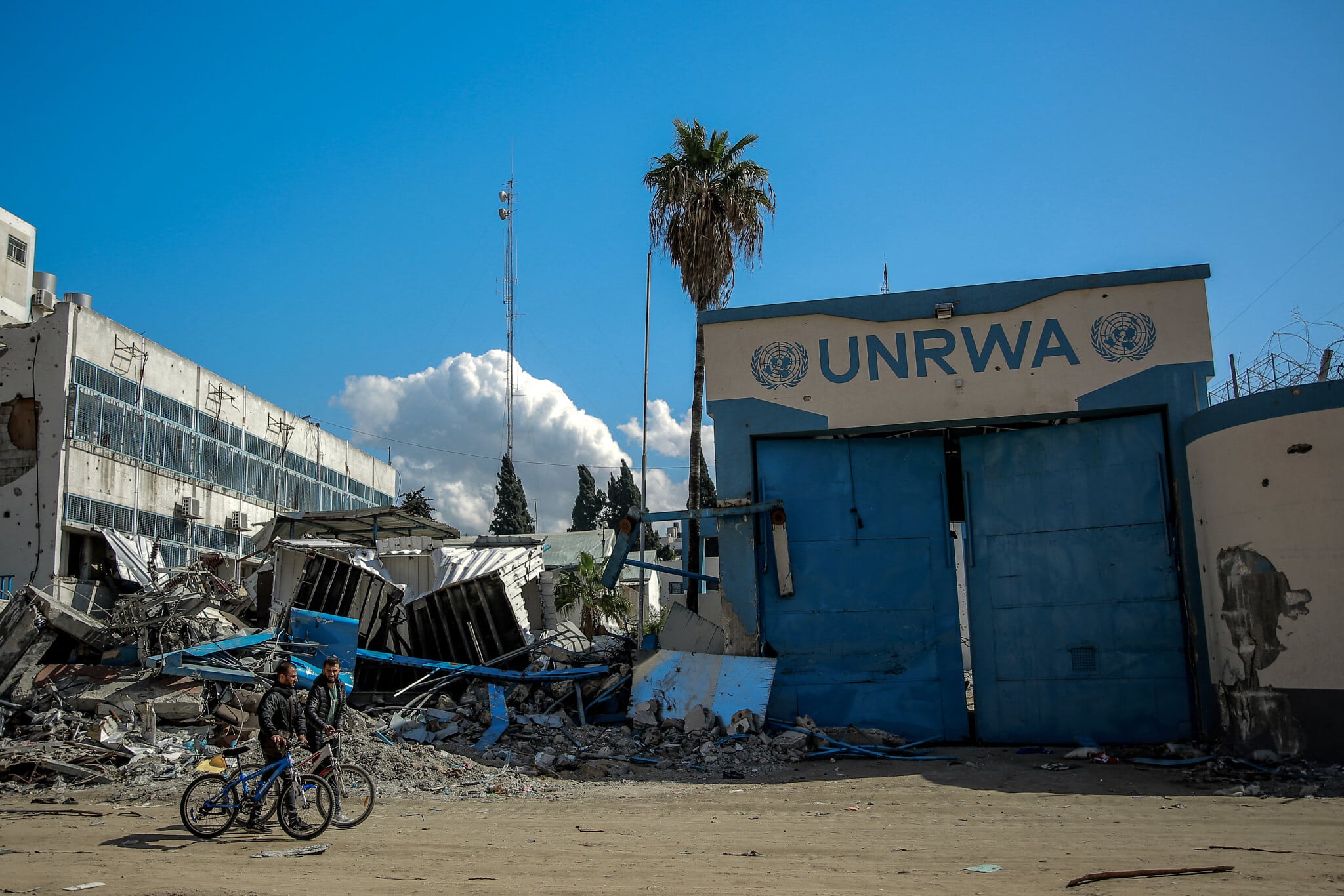
UNRWA Fires 70 Gaza Staff Members, Denies Terminations Validate Hamas Allegations
The UN agency for Palestinian refugees, UNRWA, has dismissed 70 employees in Gaza with immediate effect, citing safety and security risks. The move follows a USAID investigation that referred over 100 UNRWA staff for suspension or dismissal, and longstanding Israeli allegations that significant portions of the agency's workforce have ties to Hamas. The firings mark a significant but contested step in addressing accusations that have dogged the agency since the October 7, 2023 attacks, while UNRWA insists the dismissals are not an admission of guilt.

China's Tungsten Export Controls Ripple Through Global Supply Chains, From AI Chips to Weapons
China's 2025 export restrictions on tungsten have triggered price surges, potential production halts at Japanese semiconductor gas manufacturers, and a push to revive domestic mining in the United States. Tungsten, of which China produces over 78 percent of global supply, is critical to both advanced AI chipmaking and military munitions. The disruptions are exposing deep vulnerabilities in Western and Asian supply chains for a material with few short-term substitutes.

Rain Delays Start of India vs Afghanistan 1st ODI in Dharamshala
Persistent drizzle has delayed the toss and cast doubt over the first ODI between India and Afghanistan at the Himachal Pradesh Cricket Association Stadium in Dharamshala. The meteorological department issued an orange alert for June 12 warning of thunderstorms and hail across parts of Himachal Pradesh, with a 60–70% chance of showers forecast throughout the day. The delay threatens what would have been a historically significant match — the first-ever bilateral ODI series between the two nations.