Final Breakthrough Blast Completed in Zoji La Tunnel Linking Kashmir and Ladakh
Indian engineers completed the breakthrough of the 13.14-kilometre Zojila tunnel on June 9, 2026, connecting both ends of the passage beneath the Himalayan Zojila Pass. The tunnel, built at a cost of approximately ₹6,800 crore by MEIL for NHIDCL, will provide all-weather road connectivity between Kashmir and Ladakh, a route historically closed for months each winter. The project carries major strategic significance, as the Srinagar-Leh highway is the primary military supply route to Ladakh and was targeted by Pakistani forces during the 1999 Kargil conflict.
On June 9, 2026, Union Minister Nitin Gadkari presided over the breakthrough ceremony at Minamarg, Kargil, where the final rock section of the 13.14-kilometre Zojila tunnel was blasted through, joining excavations from both ends. Described by officials as the world's longest single-tube, bi-directional road tunnel at high altitude — situated between 2,900 and 3,310 metres — the project was executed by Megha Engineering and Infrastructures Limited (MEIL) for the National Highways and Infrastructure Development Corporation Limited (NHIDCL). More than 3,000 workers have been involved since 2020, completing the work without a fatal accident according to project engineers. The tunnel will reduce travel time across the Zojila stretch from roughly 90 minutes to 15–30 minutes and eliminate the annual closures that previously cut Ladakh off from Kashmir for up to 160–180 days per year, though recent improvements had already reduced that figure. Strategically, the route is the primary supply corridor for Indian Army deployments in Ladakh, including along the Line of Actual Control with China, and defence planners view uninterrupted access as critical following the 2020 Galwan Valley clash. The tunnel is expected to be fully operational by 2028 and forms part of a broader network of border infrastructure projects, including the recently inaugurated Z-Morh (Sonamarg) tunnel and a new railway line connecting the plains to Kashmir. Beyond military utility, officials and local leaders highlighted expected benefits for tourism, economic development, and access to healthcare and education in the remote region.
What's missing
The sources do not detail the specific safety certification or regulatory steps required before the Zojila tunnel opens to public traffic in 2028. The long-term environmental or geological impact assessments for tunnelling beneath a high-altitude Himalayan pass are also not addressed.
How coverage differed
The Times of India and The Hindu framed the breakthrough primarily through an Indian national security and infrastructure achievement lens, with The Hindu giving prominent space to ministerial statements praising Prime Minister Modi's leadership. Dawn, Pakistan's leading English-language outlet, contextualised the tunnel within India-China strategic rivalry and described Kashmir as 'Indian occupied Kashmir,' reflecting Pakistani editorial conventions, while omitting the Kargil-Pakistan angle that Indian outlets highlighted.
What different sources said
- Times of IndiaCenter
Gadkari sets off final ‘breakthrough’ blast in Zoji La tunnel, signals early completion
- DawnCenter
India nears completion of strategic Himalayan tunnel near China border
- The HinduCenter
Zojila tunnel is a gamechanger for national security, integration: Nitin Gadkari
Related
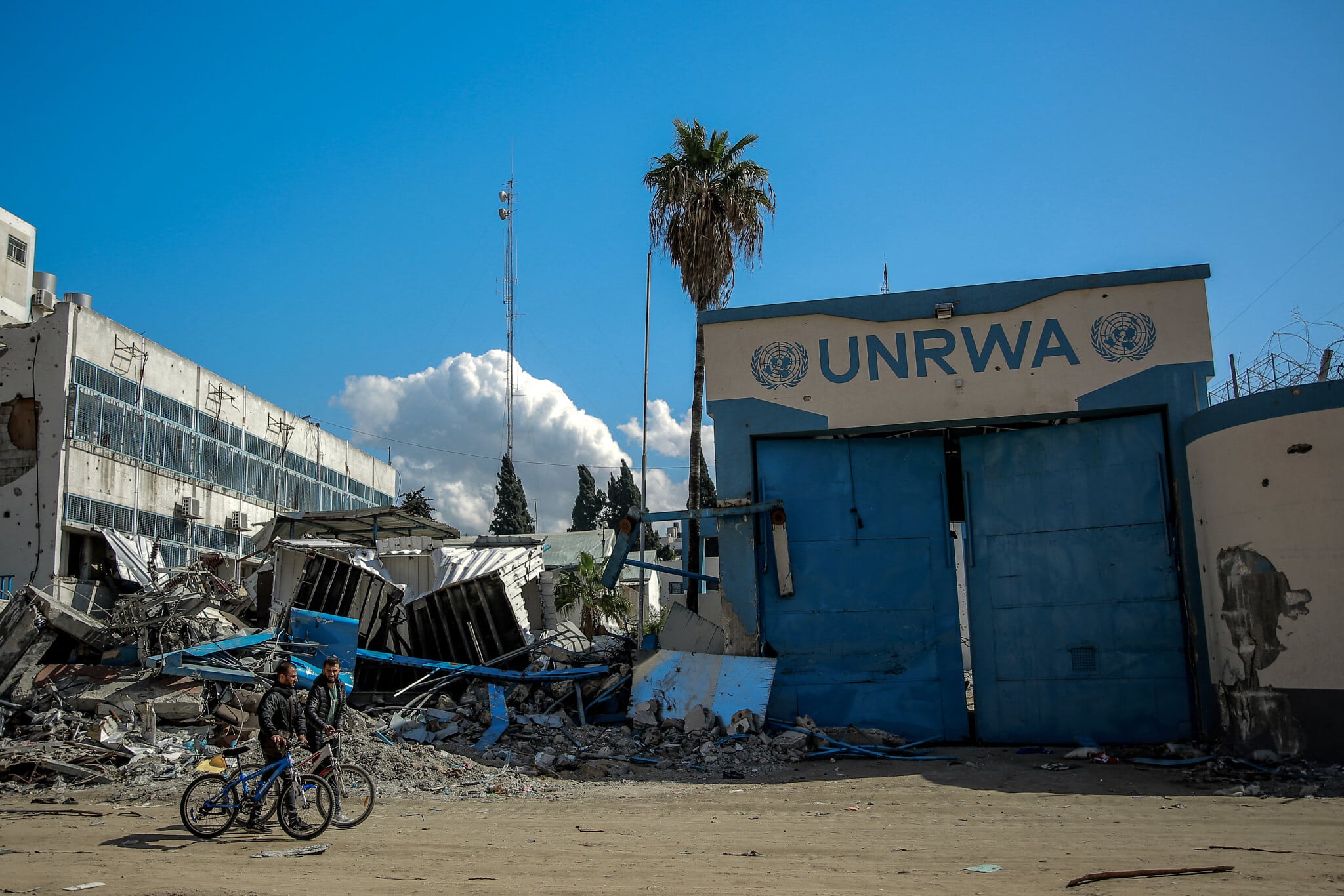
UNRWA Fires 70 Gaza Staff Members, Denies Terminations Validate Hamas Allegations
The UN agency for Palestinian refugees, UNRWA, has dismissed 70 employees in Gaza with immediate effect, citing safety and security risks. The move follows a USAID investigation that referred over 100 UNRWA staff for suspension or dismissal, and longstanding Israeli allegations that significant portions of the agency's workforce have ties to Hamas. The firings mark a significant but contested step in addressing accusations that have dogged the agency since the October 7, 2023 attacks, while UNRWA insists the dismissals are not an admission of guilt.
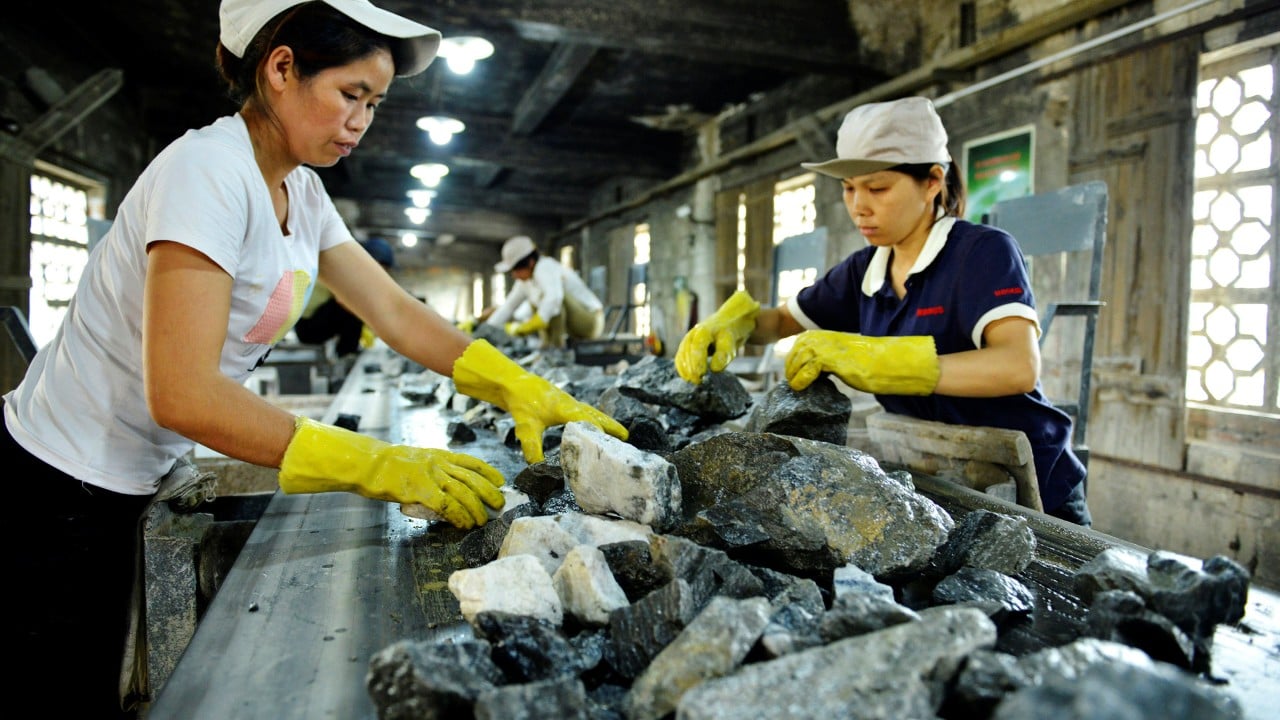
China's Tungsten Export Controls Ripple Through Global Supply Chains, From AI Chips to Weapons
China's 2025 export restrictions on tungsten have triggered price surges, potential production halts at Japanese semiconductor gas manufacturers, and a push to revive domestic mining in the United States. Tungsten, of which China produces over 78 percent of global supply, is critical to both advanced AI chipmaking and military munitions. The disruptions are exposing deep vulnerabilities in Western and Asian supply chains for a material with few short-term substitutes.

Rain Delays Start of India vs Afghanistan 1st ODI in Dharamshala
Persistent drizzle has delayed the toss and cast doubt over the first ODI between India and Afghanistan at the Himachal Pradesh Cricket Association Stadium in Dharamshala. The meteorological department issued an orange alert for June 12 warning of thunderstorms and hail across parts of Himachal Pradesh, with a 60–70% chance of showers forecast throughout the day. The delay threatens what would have been a historically significant match — the first-ever bilateral ODI series between the two nations.