Family Structure Decline and Social Outcomes: Moynihan's 1965 Warning Revisited

A Washington Examiner opinion piece draws parallels between John B. Calhoun's 1968 mouse colony experiment (which showed behavioral collapse despite abundant resources) and declining family structures in the United States since the 1960s. The article argues that Daniel Patrick Moynihan's 1965 prediction about fatherless homes creating social pathologies has been validated by subsequent trends in crime, mental health, and fertility. The piece contends that government social spending has failed to address underlying family instability and may have exacerbated it.
The article uses Calhoun's "Universe 25" mouse experiment—where a population with unlimited resources but no natural challenges experienced behavioral collapse, maternal neglect, and fertility decline—as a metaphor for American society. It cites Moynihan's 1965 warning that family breakdown would produce irreversible social pathologies and argues that subsequent data supports this prediction. The piece claims the U.S. has spent $20+ trillion on welfare and social programs in father-absent homes with poor outcomes, and correlates high single-parenthood rates with elevated violent crime (up to 118% higher), mental health crises, and homelessness. The author argues that government programs cannot substitute for stable two-parent households and that restoring strong families should be the central policy priority.
What's missing
The article does not acknowledge limitations or critiques of Calhoun's mouse experiment as a model for human behavior, nor does it address alternative explanations for correlations between family structure and social outcomes (such as poverty, systemic inequality, or access to services). The $20 trillion spending figure and its attribution to 'father-absent and welfare-dependent homes' lacks transparent sourcing or methodological explanation. The article does not cite peer-reviewed research on family structure outcomes or engage with competing scholarly perspectives on causation versus correlation.
What different sources said
- Washington ExaminerRight
America’s behavioral sink and the rise of broken families
Related
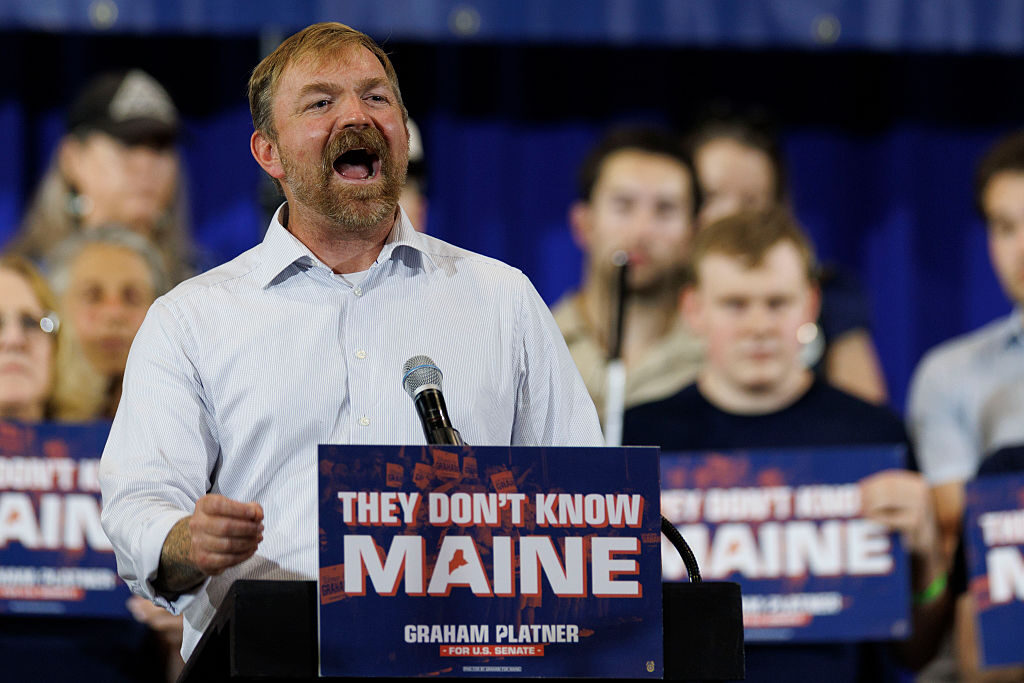
Halfway Through 2026 Primary Season: Six Key Takeaways from Congressional Races
Four more states held primaries this week, bringing the total to 26 states that have completed regular congressional primaries in the 2026 midterm cycle. Key patterns emerging include front-runners not always winning, House members struggling to advance to statewide office, and President Trump's endorsement record remaining largely successful despite low approval ratings. These trends are shaping the competitive landscape for the general election.
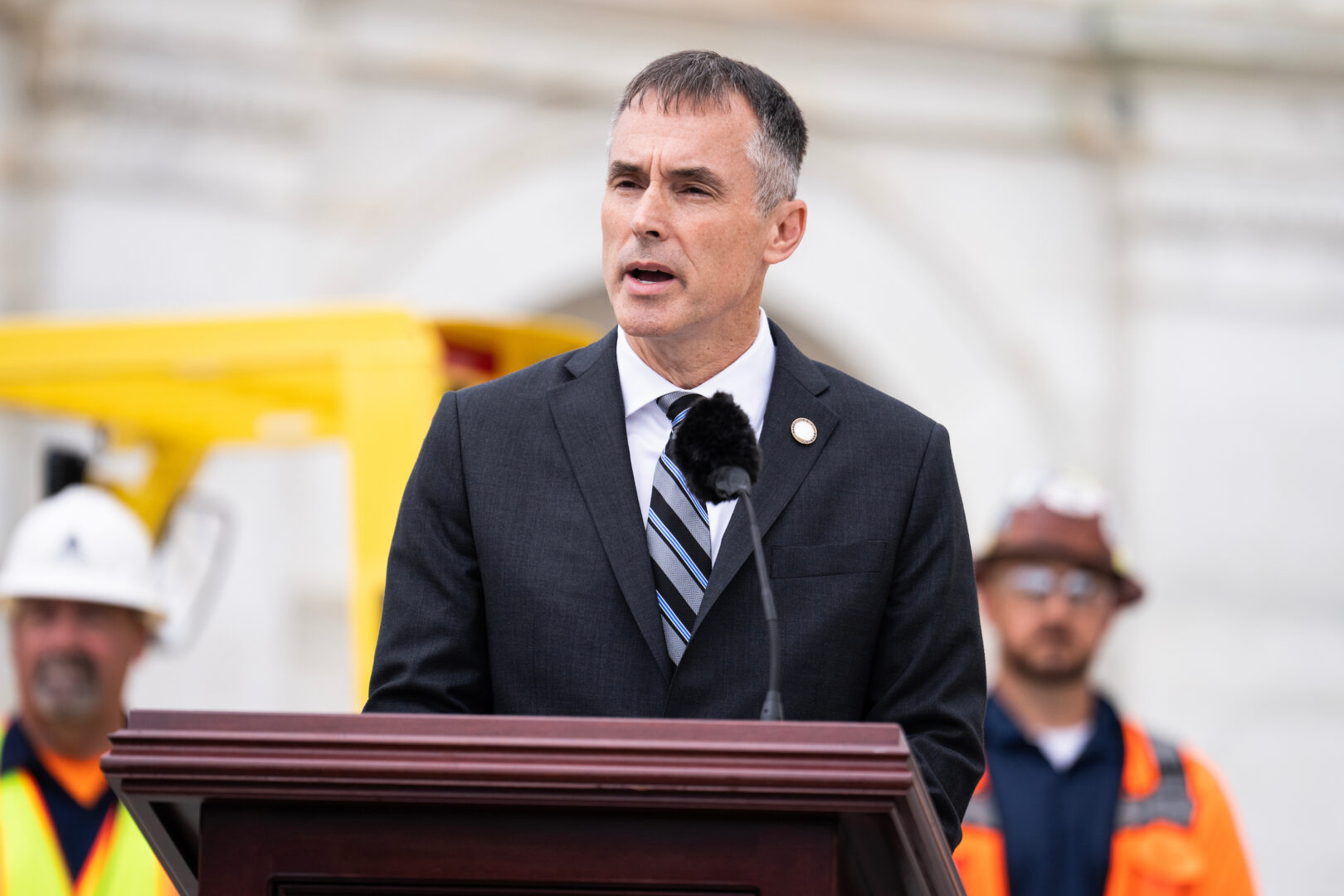
Congress Struggles to Build Support for $9 Billion Rayburn House Office Building Renovation
The Architect of the Capitol is pushing for a major renovation of the Rayburn House Office Building, which could cost $9 billion and last until 2045, but lawmakers remain hesitant to commit to the project. The building, constructed in 1965, is experiencing serious deterioration including 16 major leaks in the past year alone and risks of catastrophic system failure. The challenge reflects a broader political difficulty: Congress has historically been reluctant to fund its own infrastructure, with legislative branch spending averaging just 0.15 percent of total budget authority since 1976.

Study Finds College Faculty Lean Significantly Left, Raising Questions About Campus Ideological Diversity
A study commissioned by the Foundation for Individual Rights and Expression found that college faculty donors have an average ideology score of -1.02, comparable to Senator Bernie Sanders's -1.14, indicating strong leftward lean among faculty. The research cross-referenced over 100,000 faculty members with campaign contribution data, and separate surveys found only 20% of faculty believed a conservative scholar would be welcome in their department. The findings raise concerns about ideological diversity in higher education and its potential influence on student political attitudes.