Facial Recognition Technology Transforms Citizen Accountability Into Surveillance Infrastructure

Facial recognition systems are increasingly being used by law enforcement to identify people from videos and images originally recorded by citizens to document police conduct, creating what researchers call a "surveillance ouroboros." Civil liberties groups warn that this technology, combined with scraped internet data and consumer smart glasses, poses risks to privacy and protest participation despite some state and local restrictions. The concern reflects a broader shift where footage captured for accountability purposes becomes input for the same surveillance infrastructure it was meant to constrain.
Law enforcement agencies are leveraging facial recognition technology to identify individuals from citizen-recorded footage, including videos from protests and the January 6 Capitol attack, according to reporting in IEEE Spectrum. The article describes this pattern as a "surveillance ouroboros"—where accountability mechanisms become new inputs for surveillance systems. A 2024 Government Accountability Office review found that federal agencies expanded facial recognition use despite concerns about training, privacy protections, and oversight, with roughly 60,000 searches conducted before formal training requirements were established. The technology relies on billions of images scraped from the internet, including publicly available photos and videos. While some cities like San Francisco and Boston have restricted government use of facial recognition, and civil liberties groups have raised alarms about real-time identification via consumer smart glasses, federal agencies continue to face scrutiny over deployment and auditing practices. The article emphasizes that surveillance infrastructure no longer requires deliberate installation—ubiquitous cameras and constant uploads create continuous streams of usable data including faces, locations, and timestamps.
What different sources said
- IEEE SpectrumCenter
We Are Crowd-Sourcing the Panopticon
Related
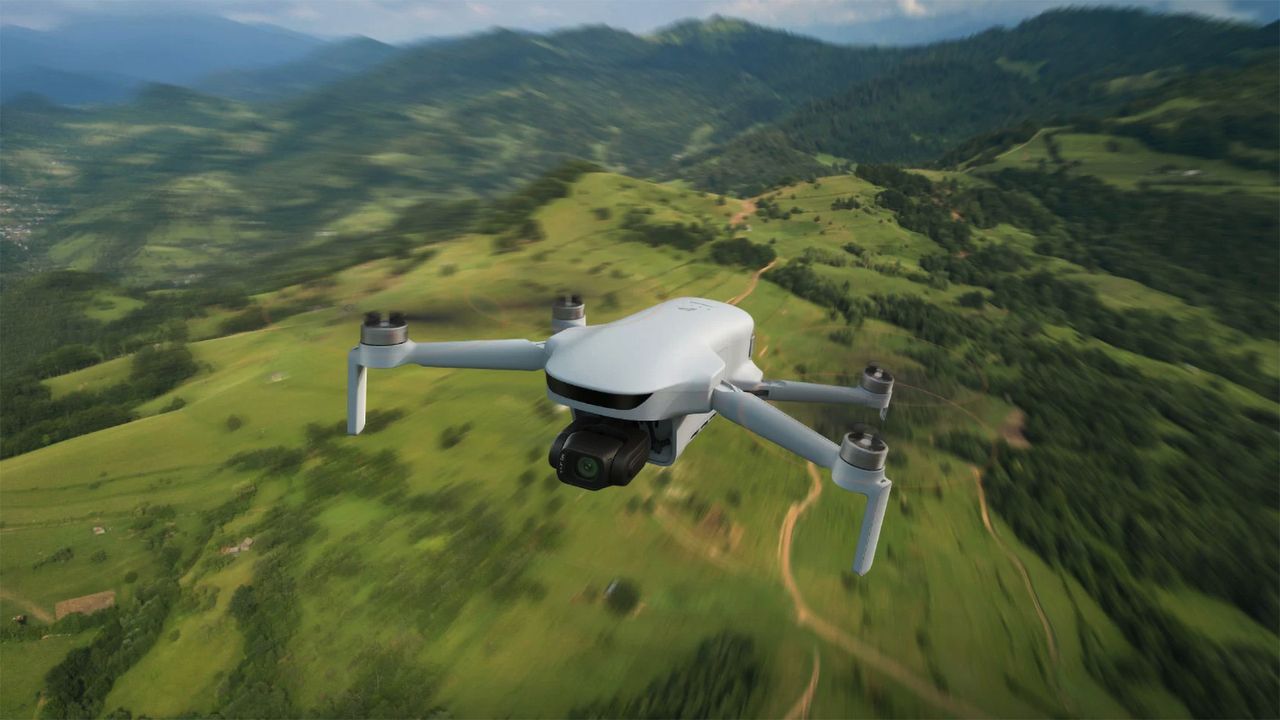
Potensic Atom 3 Drone Offers DJI Alternative for Global Markets, But Faces US Import Ban
Potensic has released the Atom 3, an upgraded beginner drone featuring a larger sensor, 4K 60fps video, improved battery life, and AI tracking capabilities at competitive pricing ($429.99-$549.99). The drone competes directly with DJI's Lito X1 but faces the same regulatory barriers as DJI in the US market due to a ban on foreign-made drones. The availability restrictions highlight ongoing US trade restrictions on Chinese drone manufacturers and limit consumer choice in the American market.

Wing and Walmart Expand Drone Delivery to Seven Additional U.S. Cities
Alphabet-owned Wing and Walmart are expanding their drone delivery partnership to seven new U.S. cities including Memphis, New Orleans, Philadelphia, Phoenix, San Diego, the San Francisco Bay Area, and Salt Lake City. The expansion is part of a plan to reach over 270 Walmart locations by next year, building on successful deployments in Atlanta, Dallas-Fort Worth, and Houston. The move signals that drone delivery is transitioning from a novelty service to a mainstream logistics option, with Wing having completed over 1 million commercial deliveries.

Anthropic CEO Calls for FAA-Style Regulation of Powerful AI Models
Anthropic CEO Dario Amodei published an essay calling for government regulation of powerful AI models, comparing the approach to FAA oversight of commercial aviation. The proposal includes mandatory third-party testing for frontier models and potential government authority to block or delay their deployment if they pose safety risks. The call comes as Anthropic released Claude Fable 5 and an updated Claude Mythos 5 model with advanced cybersecurity capabilities.