EU Proposes Visa Ban on Russian War Veterans and Expanded Sanctions Package

The European Union has proposed banning any Russian who served in the armed forces since the start of the war from entering the bloc, as part of its 21st sanctions package against Moscow, which also targets oil revenues, shadow fleet vessels, banks, and crypto firms. Separately, the International Chess Federation (FIDE) suspended Russia's membership after it failed to comply with a Court of Arbitration for Sport ruling requiring it to relinquish control of chess bodies in Russian-occupied Ukrainian territories. Both developments reflect continued international pressure on Russia over its invasion of Ukraine, though both measures face procedural hurdles before taking full effect.
European Commission President Ursula von der Leyen announced on Tuesday that the EU's 21st sanctions package against Russia would, for the first time, include a visa ban on anyone who has served in the Russian armed forces since the beginning of the full-scale invasion in February 2022. The package also proposes locking the existing $44-per-barrel price cap on Russian crude oil at its current level until January 2027, preventing Moscow from benefiting from rising global oil prices driven by the closure of the Strait of Hormuz. Additional measures include blacklisting 30 more vessels from Russia's shadow fleet, sanctioning 20 banks, crypto firms, and oil traders in third countries accused of helping Russia evade sanctions, and banning imports of certain Russian seafood such as cod and Alaska Pollock. The proposal must be unanimously approved by all 27 EU member states before it can be adopted, and the Kyiv Independent notes that visa issuance to Russian citizens has actually been rising since a 2023 low, with France, Italy, and Spain accounting for the bulk of new approvals. On a separate front, FIDE suspended Russia's chess federation membership with immediate effect after Russia failed to meet a 90-day deadline to stop organizing tournaments in Russian-occupied Ukrainian regions, a ruling hailed as a historic victory by Ukraine's chess federation, though Russia's federation said it may challenge the decision. The FIDE suspension is notable because it runs counter to a broader trend of global sports bodies beginning to re-admit Russian competitors after years of exclusions tied to doping scandals and the war.
What's missing
The articles do not specify how the EU or member states would verify whether a visa applicant has served in the Russian armed forces, raising practical enforcement questions for the proposed ban.
How coverage differed
The Guardian devoted significant space to the alumina supply chain controversy involving an Irish plant with Russian ownership that was absent from other outlets' coverage, and gave more prominence to the security framing of the soldier visa ban through Estonia's foreign minister's warnings about ex-combatants. The Kyiv Independent focused on the political and practical limitations of the visa ban proposal, including rising EU visa issuance to Russians and the lack of unanimity among member states, offering a more skeptical framing of the measure's likely impact.
What different sources said
EU plans to ban Russian soldiers from bloc in fresh sanctions on Moscow
- The Moscow TimesCenter
EU Proposes Visa Ban on Russian War Veterans and New Oil Sanctions
- The IndependentLeft
World chess body suspends Russia after legal challenge by Ukraine
- Channel NewsAsiaCenter
International Chess Federation suspends Russia over activities in Russian-controlled parts of Ukraine
- Yahoo FinanceCenter
EU lines up Russia cod ban
- Kyiv IndependentCenter
Explainer: Why is EU planning to ban visas only for Russian soldiers, and not for all Russians?
- Deutsche WelleCenter
EU proposes entry ban for Russian Ukraine combatants in new sanctions package
- Al JazeeraLeft
World chess body suspends Russia over activities in occupied-Ukraine
Related
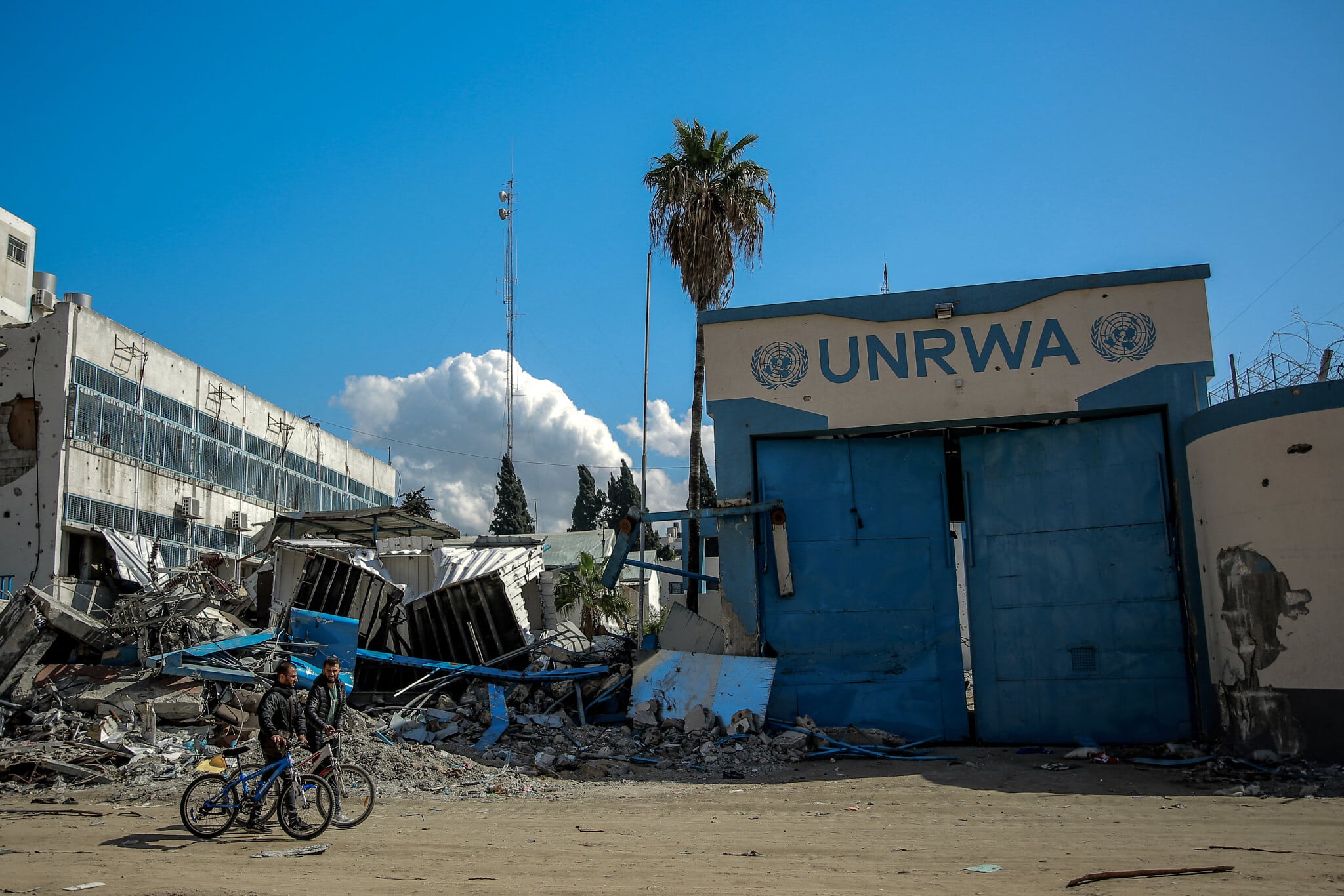
UNRWA Fires 70 Gaza Staff Members, Denies Terminations Validate Hamas Allegations
The UN agency for Palestinian refugees, UNRWA, has dismissed 70 employees in Gaza with immediate effect, citing safety and security risks. The move follows a USAID investigation that referred over 100 UNRWA staff for suspension or dismissal, and longstanding Israeli allegations that significant portions of the agency's workforce have ties to Hamas. The firings mark a significant but contested step in addressing accusations that have dogged the agency since the October 7, 2023 attacks, while UNRWA insists the dismissals are not an admission of guilt.
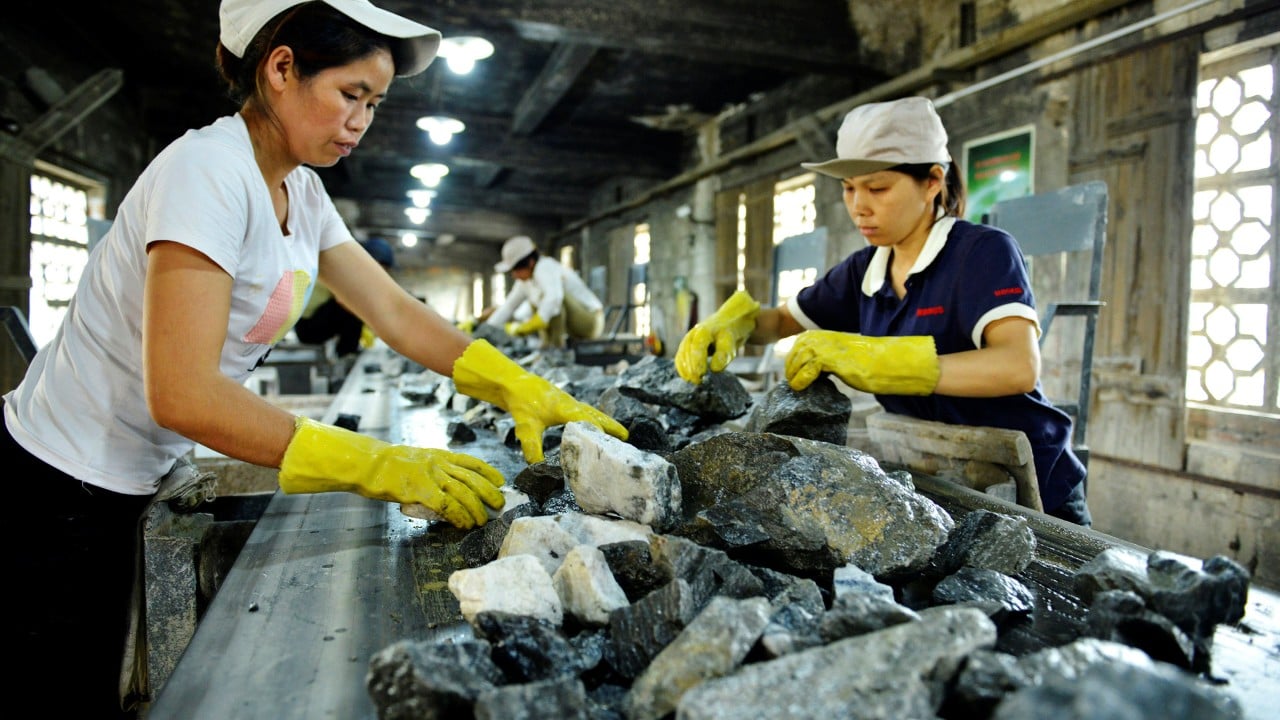
China's Tungsten Export Controls Ripple Through Global Supply Chains, From AI Chips to Weapons
China's 2025 export restrictions on tungsten have triggered price surges, potential production halts at Japanese semiconductor gas manufacturers, and a push to revive domestic mining in the United States. Tungsten, of which China produces over 78 percent of global supply, is critical to both advanced AI chipmaking and military munitions. The disruptions are exposing deep vulnerabilities in Western and Asian supply chains for a material with few short-term substitutes.

Rain Delays Start of India vs Afghanistan 1st ODI in Dharamshala
Persistent drizzle has delayed the toss and cast doubt over the first ODI between India and Afghanistan at the Himachal Pradesh Cricket Association Stadium in Dharamshala. The meteorological department issued an orange alert for June 12 warning of thunderstorms and hail across parts of Himachal Pradesh, with a 60–70% chance of showers forecast throughout the day. The delay threatens what would have been a historically significant match — the first-ever bilateral ODI series between the two nations.