EU Implements New Migration and Asylum Rules Across 27 Member States
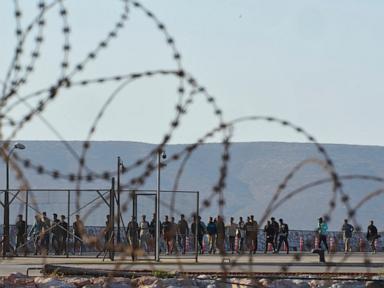
The European Union's sweeping Migration and Asylum Pact entered into force on June 12, 2026, introducing faster border screenings, accelerated asylum procedures, and a new solidarity mechanism across all 27 member states. The pact is the result of years of negotiations to overhaul a system widely seen as broken, driven by political pressure from far-right parties and public concern over irregular migration. However, no EU member state is fully prepared for implementation, and human rights groups warn the reforms undermine the right to asylum and risk prolonged detentions.
The EU's Migration and Asylum Pact, adopted in 2024 after years of contentious negotiations, officially came into force on June 12, 2026, representing the most significant overhaul of European asylum law in decades. Under the new rules, migrants entering the EU irregularly will be screened at borders for up to seven days, with those from countries deemed 'safe' or posing security risks fast-tracked through a three-month asylum procedure rather than the standard six months. A new biometric database called Eurodac will register adults and children as young as six, and rejected applicants will receive automatic return orders with only one chance to appeal. A solidarity mechanism requires member states not on the EU's external border to either accept relocated asylum seekers or pay €20,000 per person to frontline countries, with a target of at least 30,000 relocations annually — though only around 9,000 are currently expected. The European Commission has acknowledged that no member state is fully ready, with many still lacking border facilities, trained staff, and independent rights monitoring infrastructure. Immigration expert Gerald Knaus and other analysts question whether the pact will meaningfully reduce irregular migration, noting that geopolitical factors — such as the post-Assad decline in Syrian departures — have more influence on asylum numbers than EU law. Human rights organizations, including Human Rights Watch and the International Rescue Committee, have sharply criticized the pact for rushing asylum assessments, enabling racial profiling, and risking a spike in prolonged border detentions.
What's missing
The sources do not detail the specific legal mechanisms or timelines by which the European Court of Justice or national courts could challenge or suspend pact provisions, nor do they clarify what enforcement consequences member states face if they remain non-compliant beyond the June 12 deadline.
How coverage differed
Center-leaning outlets such as AP, ABC News, France 24, and The Straits Times presented the pact in largely explanatory terms, balancing official EU statements with substantial criticism from rights groups. The Telegraph framed the pact as a transformative 'experiment' comparable in scale to Brexit, suggesting a more consequentialist and politically charged lens, though its full content was not available for detailed comparison.
What different sources said
- AP NewsCenter
What to know about the EU’s new rules on migration and asylum as they come into effect
- The TelegraphRight
How the greatest migration experiment since Brexit could transform Europe
- ABC News InternationalCenter
What to know about the EU's new rules on migration and asylum as they come into effect
- France 24Center
The migration pact: What's in the EU's landmark asylum reform?
- EuronewsCenter
Newsletter: EU’s historic migration overhaul enters into force
- The Straits TimesCenter
EU overhaul to toughen migration rules takes effect, though doubts remain about impact
- ReutersCenter
EU overhaul to toughen migration rules takes effect, though doubts remain about impact
- Deutsche WelleCenter
What impact will the new EU asylum law CEAS really have?
- CTV NewsCenter
What to know about the EU's new rules on migration and asylum as they come into effect
Related
UNRWA Fires 70 Gaza Staff Members, Denies Terminations Validate Hamas Allegations
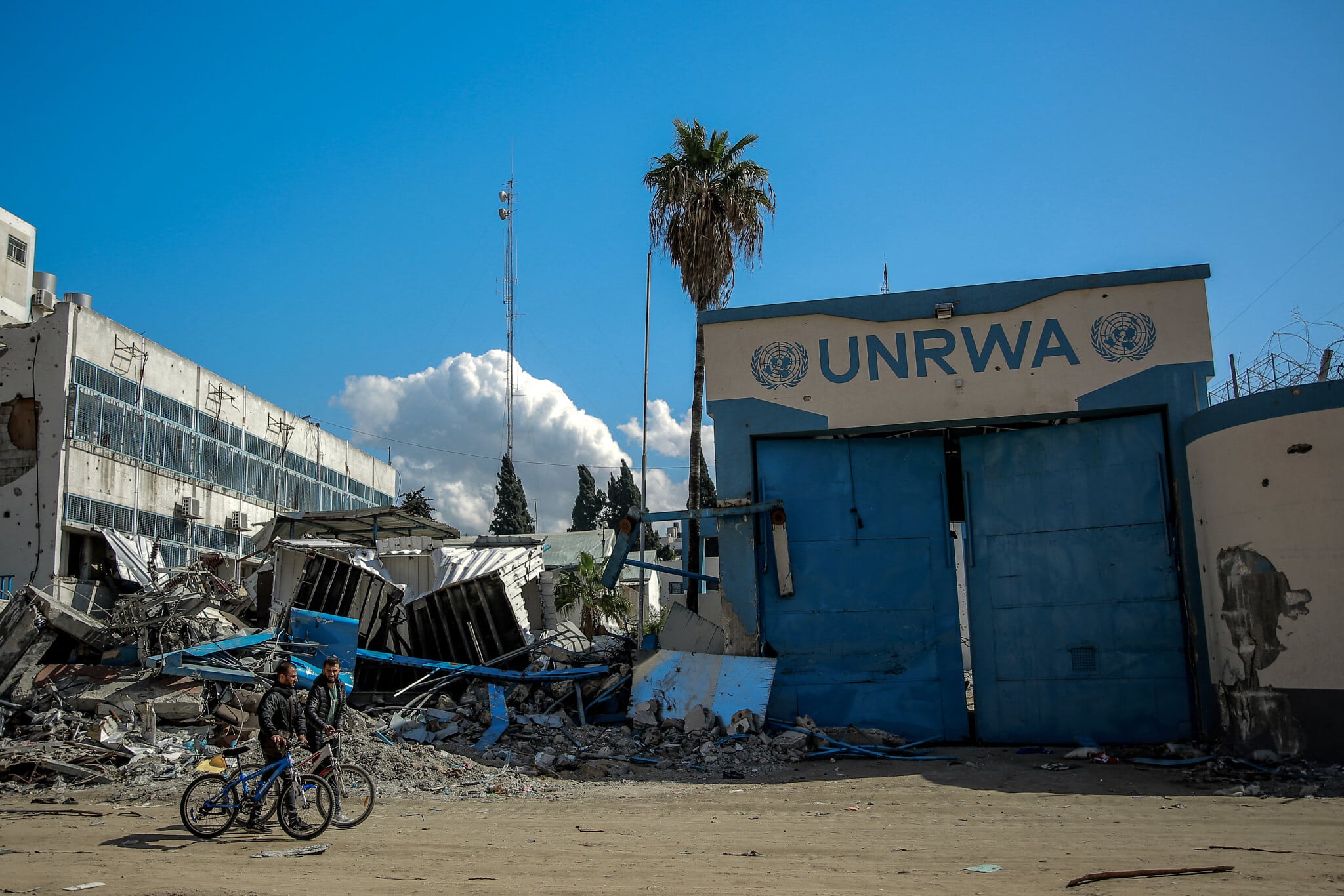
The UN agency for Palestinian refugees, UNRWA, has dismissed 70 employees in Gaza with immediate effect, citing safety and security risks. The move follows a USAID investigation that referred over 100 UNRWA staff for suspension or dismissal, and longstanding Israeli allegations that significant portions of the agency's workforce have ties to Hamas. The firings mark a significant but contested step in addressing accusations that have dogged the agency since the October 7, 2023 attacks, while UNRWA insists the dismissals are not an admission of guilt.
China's Tungsten Export Controls Ripple Through Global Supply Chains, From AI Chips to Weapons
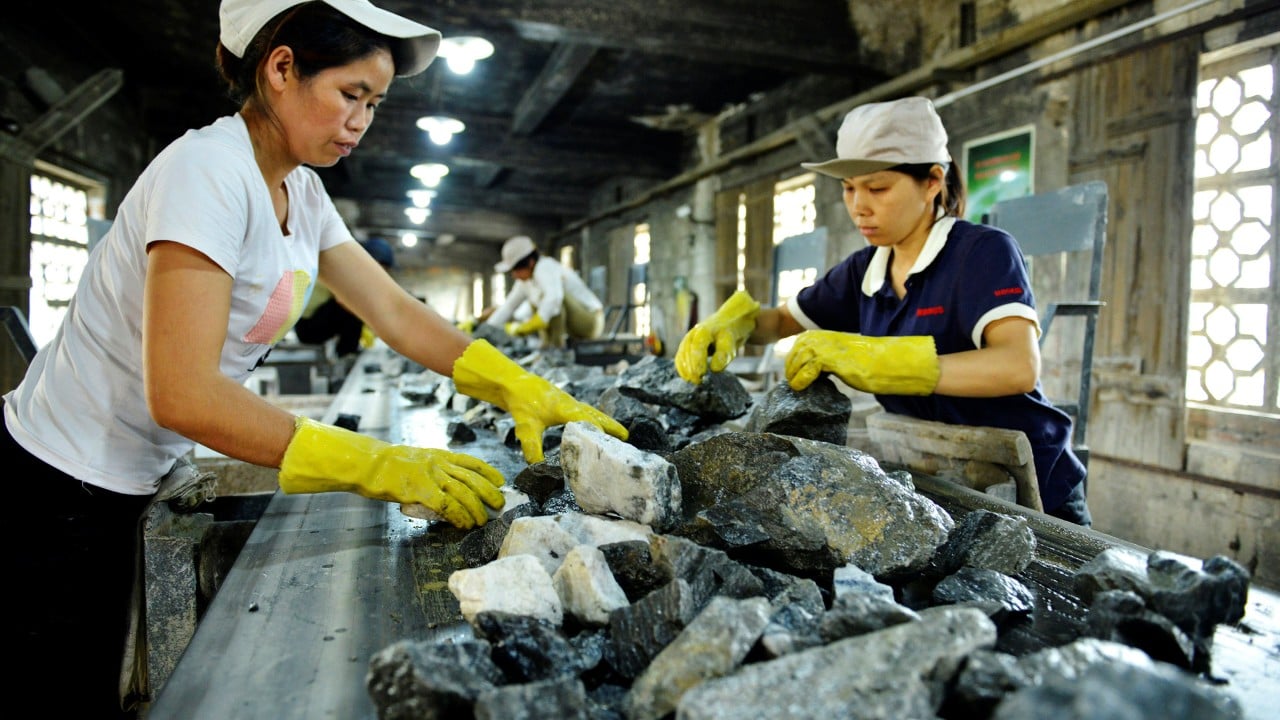
China's 2025 export restrictions on tungsten have triggered price surges, potential production halts at Japanese semiconductor gas manufacturers, and a push to revive domestic mining in the United States. Tungsten, of which China produces over 78 percent of global supply, is critical to both advanced AI chipmaking and military munitions. The disruptions are exposing deep vulnerabilities in Western and Asian supply chains for a material with few short-term substitutes.

Rain Delays Start of India vs Afghanistan 1st ODI in Dharamshala
Persistent drizzle has delayed the toss and cast doubt over the first ODI between India and Afghanistan at the Himachal Pradesh Cricket Association Stadium in Dharamshala. The meteorological department issued an orange alert for June 12 warning of thunderstorms and hail across parts of Himachal Pradesh, with a 60–70% chance of showers forecast throughout the day. The delay threatens what would have been a historically significant match — the first-ever bilateral ODI series between the two nations.