EU and South Korea Hold Summit Amid Shifting Defense Alliances and Security Concerns
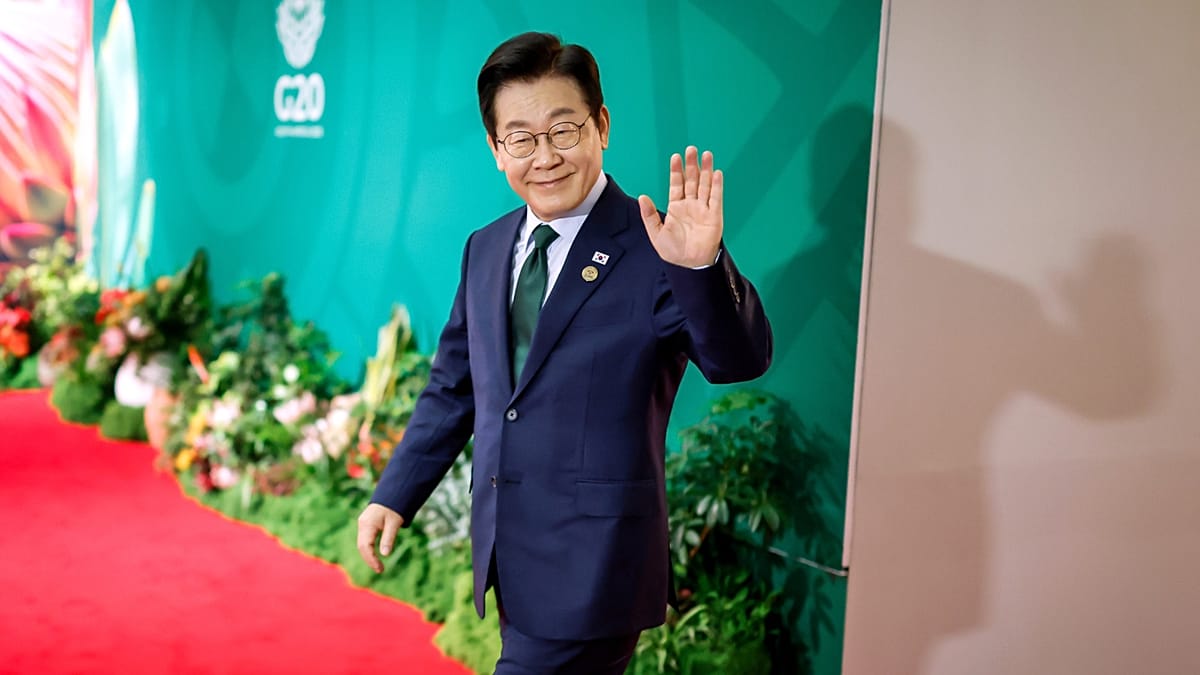
South Korean President Lee Jae Myung held summits in Brussels with EU leaders and in Rome with Italian Prime Minister Giorgia Meloni, issuing joint statements condemning North Korea's nuclear programme and Russia-DPRK military cooperation while advancing defence, trade and technology partnerships. The EU-South Korea summit produced a joint declaration rejecting North Korea's nuclear status, backing inter-Korean dialogue, and affirming stability in the Taiwan Strait, as South Korea simultaneously held nuclear deterrence consultations with the United States in Seoul. The diplomatic tour underscores South Korea's growing strategic importance to Europe amid shifting US security commitments and North Korea's accelerating weapons expansion.
South Korean President Lee Jae Myung's European tour, running June 11–18 with stops in Belgium, Italy and the Vatican, produced a series of significant diplomatic outcomes. At the EU-South Korea Summit in Brussels, Lee met European Commission President Ursula von der Leyen and European Council President António Costa, with the resulting joint statement condemning Russia-DPRK military cooperation, expressing 'grave concern' over North Korea's nuclear and ballistic missile programmes, and calling on Pyongyang to return to NPT compliance — a status North Korea formally renounced in 2003 and constitutionally entrenched in 2022. The statement also backed Lee's efforts to resume inter-Korean dialogue and preserved language on Taiwan Strait stability despite known Chinese objections. In Rome, Lee and Italian Prime Minister Giorgia Meloni signed memorandums of understanding covering semiconductors, AI, space, automotive, energy and SME cooperation, and agreed on a strategic action plan including UN Security Council reform. Separately, the sixth meeting of the US-South Korea Nuclear Consultative Group convened in Seoul on the same day, reviewing deterrence readiness as North Korea's new Yongbyon enrichment facility — estimated to contain over 9,000 centrifuges — raised projections of a potential 75% increase in uranium-enrichment capacity. The summits took place as Chinese President Xi Jinping concluded a state visit to Pyongyang in which he and Kim Jong Un pledged deeper cooperation with no public mention of denuclearisation, a silence analysts interpreted as tacit endorsement of North Korea's nuclear status. South Korea's defence profile in Europe was a prominent backdrop: the country ranked among the top ten global arms exporters from 2020–2024, plans to raise defence spending to 8.2% of GDP in 2026, and is the second-largest arms supplier to NATO members, with Poland alone accounting for 46% of South Korean defence exports in 2024.
What's missing
The sources do not detail what specific defence procurement agreements, if any, were concluded at the EU-South Korea summit beyond the existing security and defence partnership framework signed late last year. The outcome of Lee's planned meeting with Pope Leo XIV and any diplomatic significance of that encounter are also not covered.
How coverage differed
Euronews framed the summit primarily through the lens of European strategic interests — defence procurement, filling the US security gap, and South Korea's soft and hard power — while UPI focused on the diplomatic substance of the joint statement, particularly the North Korea nuclear and inter-Korean dialogue dimensions. The Hindu concentrated almost exclusively on the US-South Korea nuclear deterrence consultations and North Korea's weapons expansion, treating the European summits as background context.
What different sources said
- UPICenter
South Korea’s Lee, EU leaders reject North Korea nuclear status
- EuronewsCenter
Newsletter: From K-pop to K2 tanks, South Korea flexes in Europe
- The HinduCenter
U.S., South Korea hold nuclear deterrence talks as North Korea expands arms push
- politico.euCenter
Tanks, guns and rocket launchers: The ties that bind the EU and South Korea
- Channel NewsAsiaCenter
Italy's Meloni and South Korea's Lee agree to deepen ties in Rome talks
Related
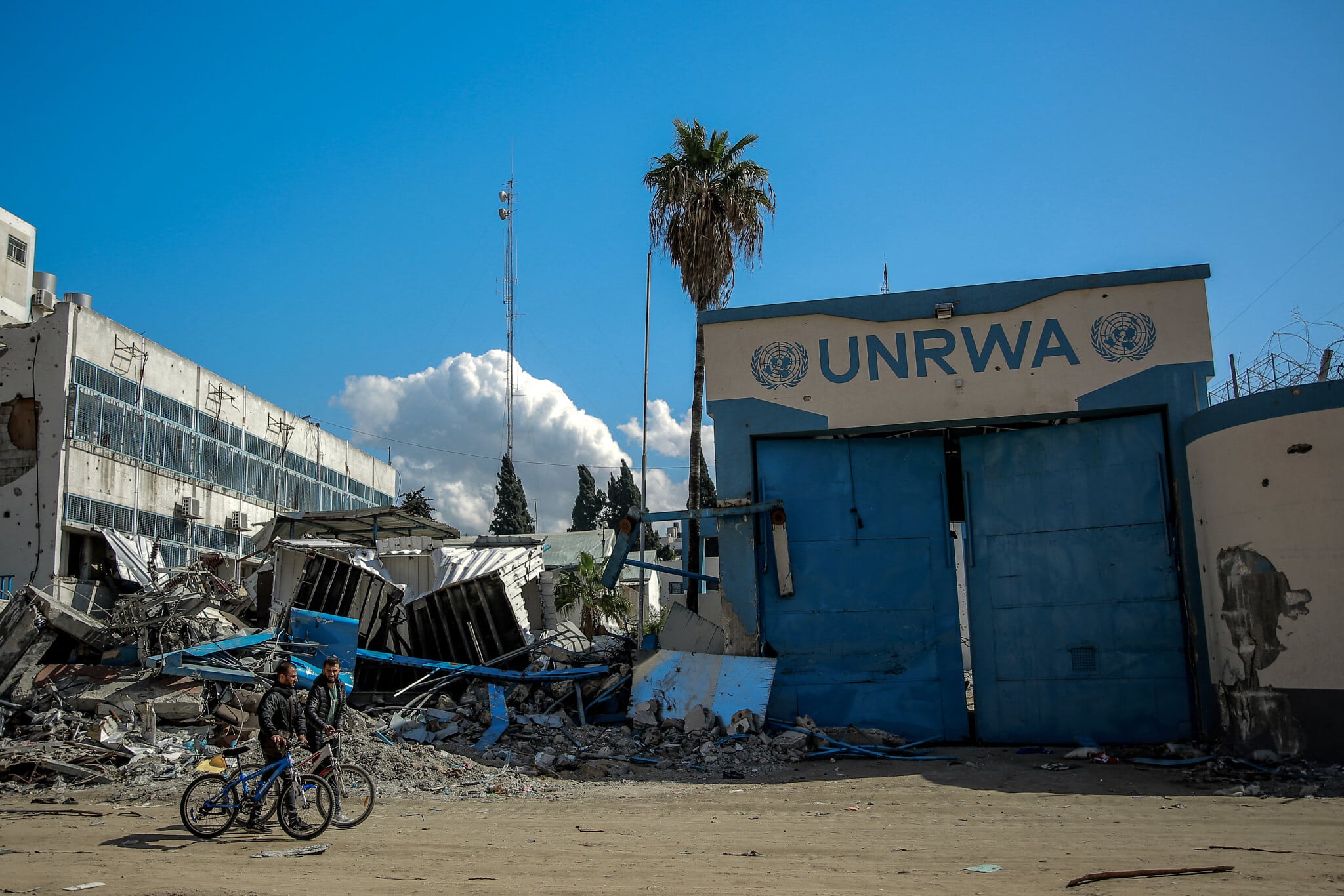
UNRWA Fires 70 Gaza Staff Members, Denies Terminations Validate Hamas Allegations
The UN agency for Palestinian refugees, UNRWA, has dismissed 70 employees in Gaza with immediate effect, citing safety and security risks. The move follows a USAID investigation that referred over 100 UNRWA staff for suspension or dismissal, and longstanding Israeli allegations that significant portions of the agency's workforce have ties to Hamas. The firings mark a significant but contested step in addressing accusations that have dogged the agency since the October 7, 2023 attacks, while UNRWA insists the dismissals are not an admission of guilt.
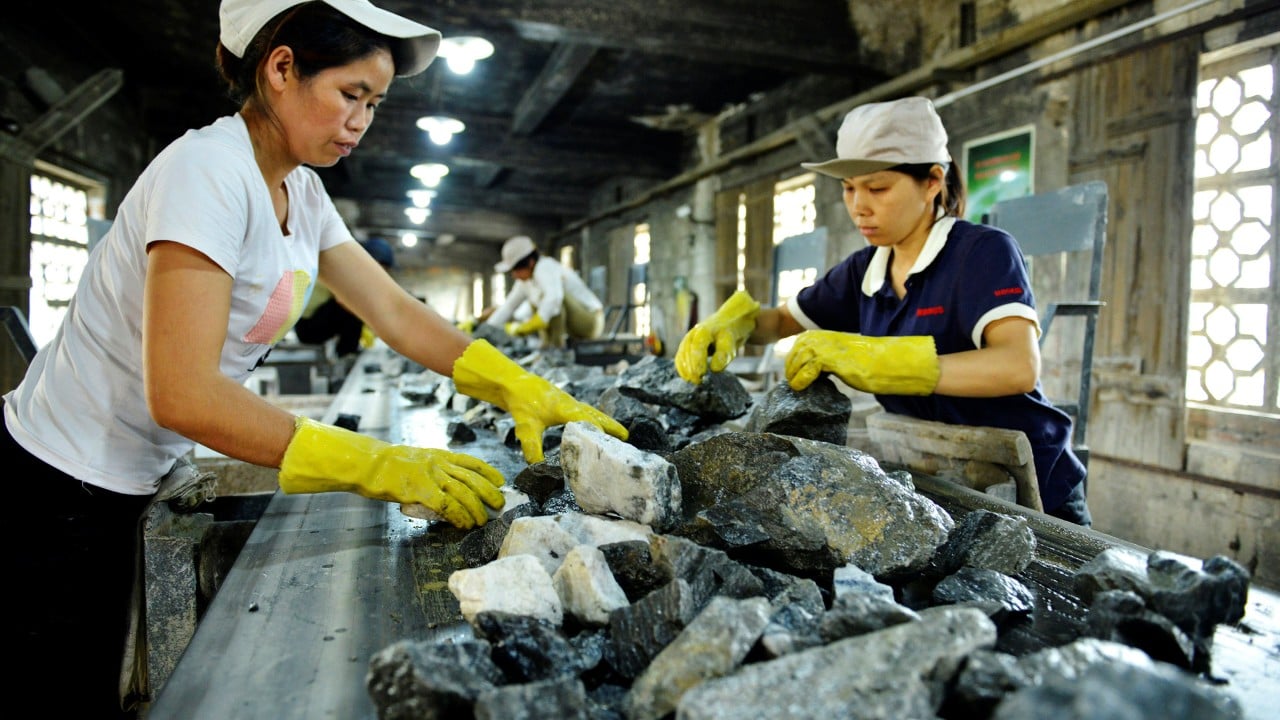
China's Tungsten Export Controls Ripple Through Global Supply Chains, From AI Chips to Weapons
China's 2025 export restrictions on tungsten have triggered price surges, potential production halts at Japanese semiconductor gas manufacturers, and a push to revive domestic mining in the United States. Tungsten, of which China produces over 78 percent of global supply, is critical to both advanced AI chipmaking and military munitions. The disruptions are exposing deep vulnerabilities in Western and Asian supply chains for a material with few short-term substitutes.

Rain Delays Start of India vs Afghanistan 1st ODI in Dharamshala
Persistent drizzle has delayed the toss and cast doubt over the first ODI between India and Afghanistan at the Himachal Pradesh Cricket Association Stadium in Dharamshala. The meteorological department issued an orange alert for June 12 warning of thunderstorms and hail across parts of Himachal Pradesh, with a 60–70% chance of showers forecast throughout the day. The delay threatens what would have been a historically significant match — the first-ever bilateral ODI series between the two nations.