Escalating U.S.-Iran Conflict Contradicts Trump's Peace Promises
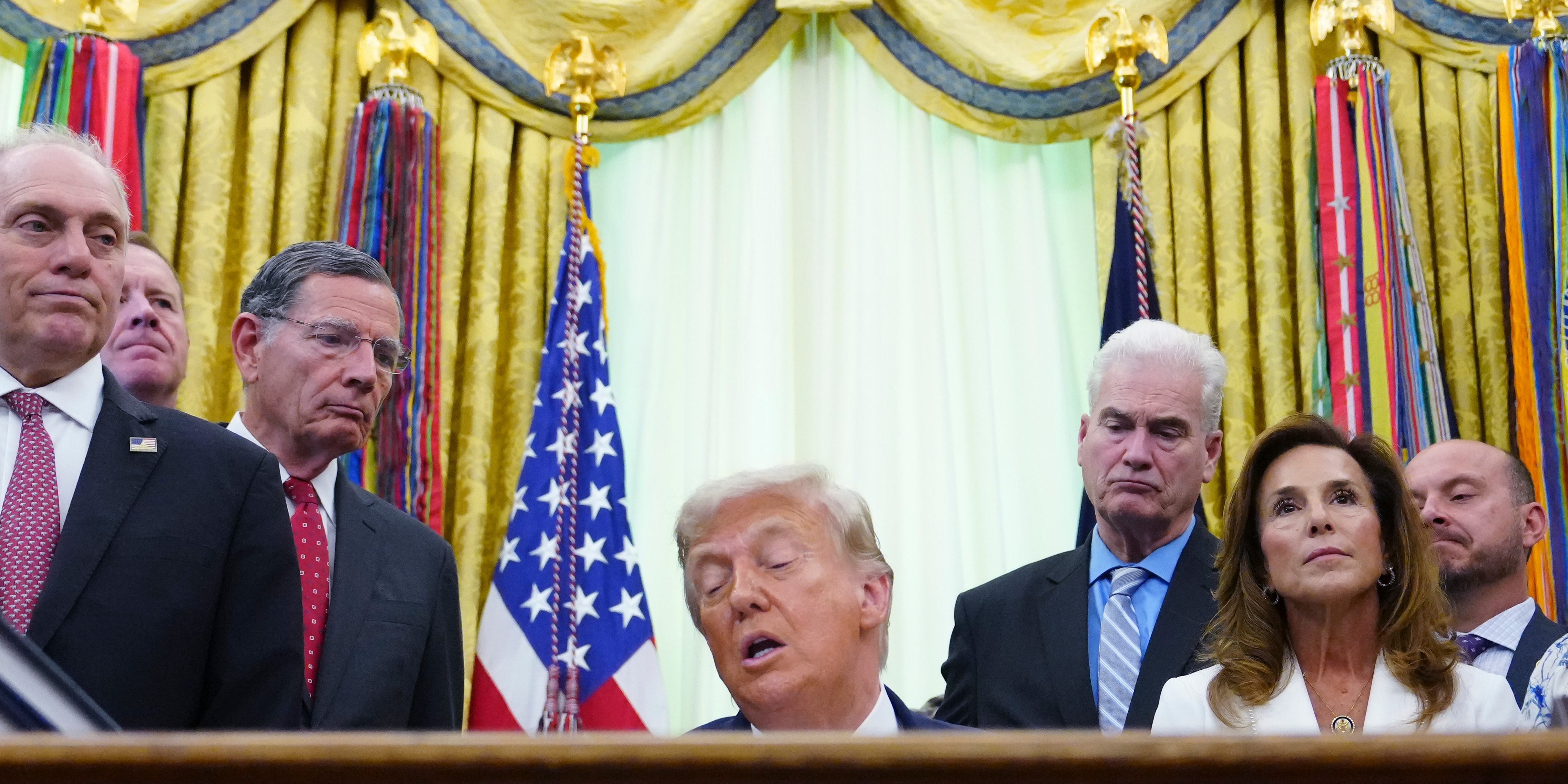
More than 2,200 hours after President Trump declared victory in the U.S.-Iran conflict, fighting continues with fresh missile exchanges, downed aircraft, and an ongoing Strait of Hormuz blockade. Trump originally declared objectives including destroying Iran's missile capabilities, annihilating its navy, ending its nuclear program, and halting militia funding — none of which have been fully achieved. The prolonged conflict has disrupted global oil supplies, driven up energy prices, and drawn in more than a dozen regional countries, raising concerns about a broader Middle East war.
President Trump declared victory over Iran on March 11, just 11 days after launching a joint military campaign with Israel, but the conflict has since expanded significantly. U.S. forces have fired dozens of Tomahawk missiles and conducted bombing raids, while Iran has responded with ballistic missile strikes on multiple countries in the region, including Jordan, Kuwait, and Israel. Leaked U.S. intelligence assessments indicate Iran retained approximately 70 percent of its prewar missile stockpile and restored 30 of 33 missile sites near the Strait of Hormuz to operational status — a figure Trump himself partially acknowledged in a recent NBC interview. The Strait of Hormuz, a critical artery for global oil and goods, remains largely closed despite repeated Trump announcements of its reopening; normal traffic of over 120 vessels per day has not been restored, and oil prices have climbed to around $95 a barrel. Iran's nuclear program and enriched uranium stockpile remain intact, its navy continues to operate, and U.S. officials including Secretary of State Rubio have acknowledged the continued existence of Iran-backed militias. Peace negotiations have repeatedly stalled despite Trump's claims of imminent deals, and the administration has progressively scaled back its stated objectives from 'unconditional surrender' to an undefined negotiated agreement.
What's missing
The articles do not provide Iran's stated objectives or negotiating positions in detail. The legal basis under which the U.S. initiated military operations against Iran is not addressed.
How coverage differed
The Intercept frames the story as a systematic cataloguing of Trump administration failures and contradictions, using pointed language such as 'flamed out,' 'turned to mush,' and 'weak-kneed.' Politico's headline frames the situation as a strategic backfire, suggesting policy miscalculation rather than outright failure, a somewhat less adversarial framing.
What different sources said
- PoliticoLeft
Trump’s missile diplomacy strategy backfires
- The InterceptLeft
A Point-by-Point Breakdown of Trump’s Failed Iran War Objectives
Related
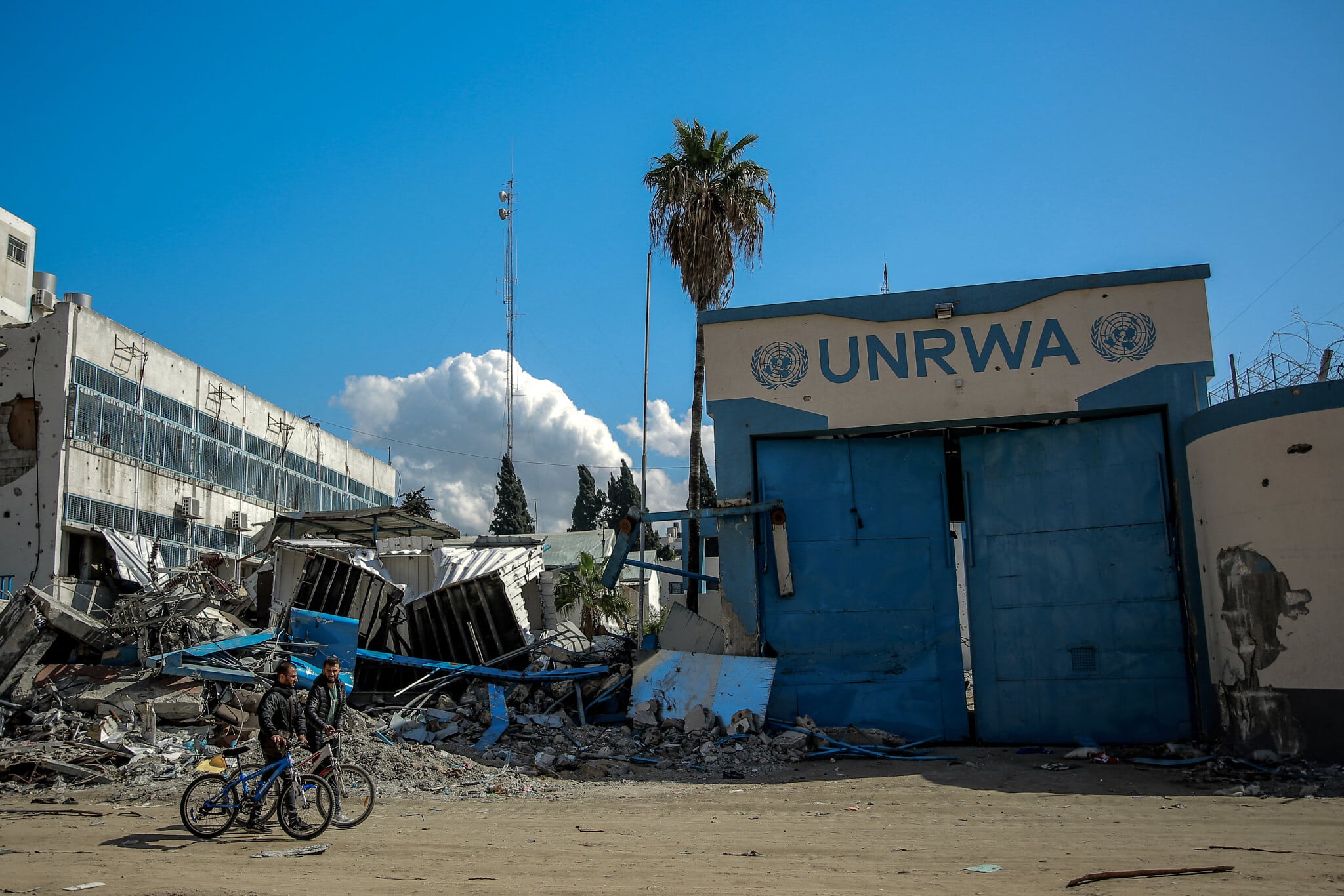
UNRWA Fires 70 Gaza Staff Members, Denies Terminations Validate Hamas Allegations
The UN agency for Palestinian refugees, UNRWA, has dismissed 70 employees in Gaza with immediate effect, citing safety and security risks. The move follows a USAID investigation that referred over 100 UNRWA staff for suspension or dismissal, and longstanding Israeli allegations that significant portions of the agency's workforce have ties to Hamas. The firings mark a significant but contested step in addressing accusations that have dogged the agency since the October 7, 2023 attacks, while UNRWA insists the dismissals are not an admission of guilt.

China's Tungsten Export Controls Ripple Through Global Supply Chains, From AI Chips to Weapons
China's 2025 export restrictions on tungsten have triggered price surges, potential production halts at Japanese semiconductor gas manufacturers, and a push to revive domestic mining in the United States. Tungsten, of which China produces over 78 percent of global supply, is critical to both advanced AI chipmaking and military munitions. The disruptions are exposing deep vulnerabilities in Western and Asian supply chains for a material with few short-term substitutes.

Rain Delays Start of India vs Afghanistan 1st ODI in Dharamshala
Persistent drizzle has delayed the toss and cast doubt over the first ODI between India and Afghanistan at the Himachal Pradesh Cricket Association Stadium in Dharamshala. The meteorological department issued an orange alert for June 12 warning of thunderstorms and hail across parts of Himachal Pradesh, with a 60–70% chance of showers forecast throughout the day. The delay threatens what would have been a historically significant match — the first-ever bilateral ODI series between the two nations.