England and Scotland fans balance World Cup viewing with work commitments ahead of 2026 tournament

The 2026 FIFA World Cup has begun, with matches spread across the US, Canada, and Mexico, prompting discussions about workplace flexibility, employee productivity, and new in-game welfare rules. UK employers are bracing for an estimated 1.5 million World Cup-related sick days and £681 million in lost productivity, while some companies are proactively expanding flexible working policies. The tournament also raises broader questions about FIFA's ticketing strategy, host city returns on investment, and whether new mandatory hydration breaks signal a shift in how organizations — sporting and corporate — approach worker wellbeing.
The 2026 FIFA World Cup has officially begun, with games hosted across the United States, Canada, and Mexico, featuring late kick-off times that are creating scheduling challenges for fans in the UK. England's group games start at 2100–2200 BST and Scotland's as late as 0200, prompting workers to book annual leave, negotiate flexible starts, or risk calling in sick. Workforce management firm UKG estimates the tournament could cost UK employers around £681 million in lost productivity, while BrightHR predicts over 1.5 million workers will call in sick, generating more than 2.3 million additional absences. Scotland has declared a one-off national Bank Holiday on 15 June to mark the country's first World Cup appearance since 1998, though private businesses are not legally required to grant the day off. On the pitch, FIFA has introduced mandatory three-minute hydration breaks midway through each half of every match, a rule driven by heat safety concerns following incidents at the 2025 Club World Cup; workplace wellbeing experts argue this model — embedding recovery into operational structure rather than leaving it to individual discretion — offers a blueprint for corporate culture. Meanwhile, Bloomberg's coverage highlights unresolved commercial questions surrounding the tournament, including whether FIFA's ticketing approach will leave empty seats, whether host cities will recoup their investments, and whether the US soccer market has been accurately read by organizers.
What's missing
The articles do not address how workers outside the UK — particularly in the three host nations (US, Canada, Mexico) — are navigating the tournament's impact on work schedules. Additionally, there is no independent verification of the £681 million productivity loss estimate's methodology.
How coverage differed
BBC focused on the human-interest and practical workplace angle for UK fans, emphasizing flexibility, sick days, and personal anecdotes. Forbes used the tournament as a springboard for a corporate wellbeing argument, framing FIFA's hydration rule as a leadership lesson rather than a sports story. Bloomberg took a business and skeptical lens, foregrounding commercial risks, FIFA missteps, and unresolved logistical controversies rather than fan experience or worker welfare.
What different sources said
- BBC Top StoriesCenter
How to enjoy the World Cup - and keep your boss on side
- BloombergCenter
The Business of the World Cup with The Athletic’s Henry Bushnell
- ForbesCenter
The FIFA World Cup Built Recovery Into The Rules—How Your Company Can Too
Related
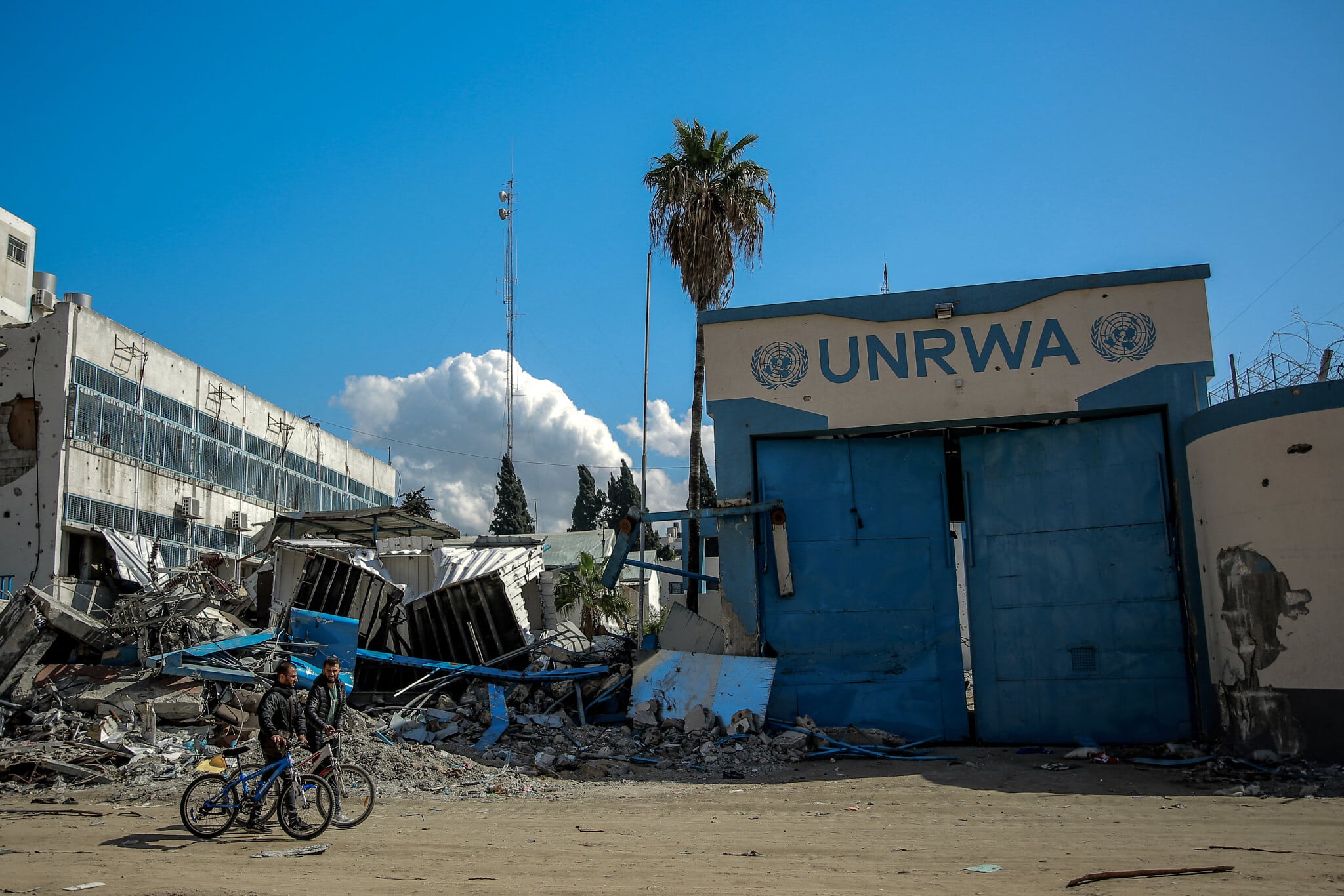
UNRWA Fires 70 Gaza Staff Members, Denies Terminations Validate Hamas Allegations
The UN agency for Palestinian refugees, UNRWA, has dismissed 70 employees in Gaza with immediate effect, citing safety and security risks. The move follows a USAID investigation that referred over 100 UNRWA staff for suspension or dismissal, and longstanding Israeli allegations that significant portions of the agency's workforce have ties to Hamas. The firings mark a significant but contested step in addressing accusations that have dogged the agency since the October 7, 2023 attacks, while UNRWA insists the dismissals are not an admission of guilt.
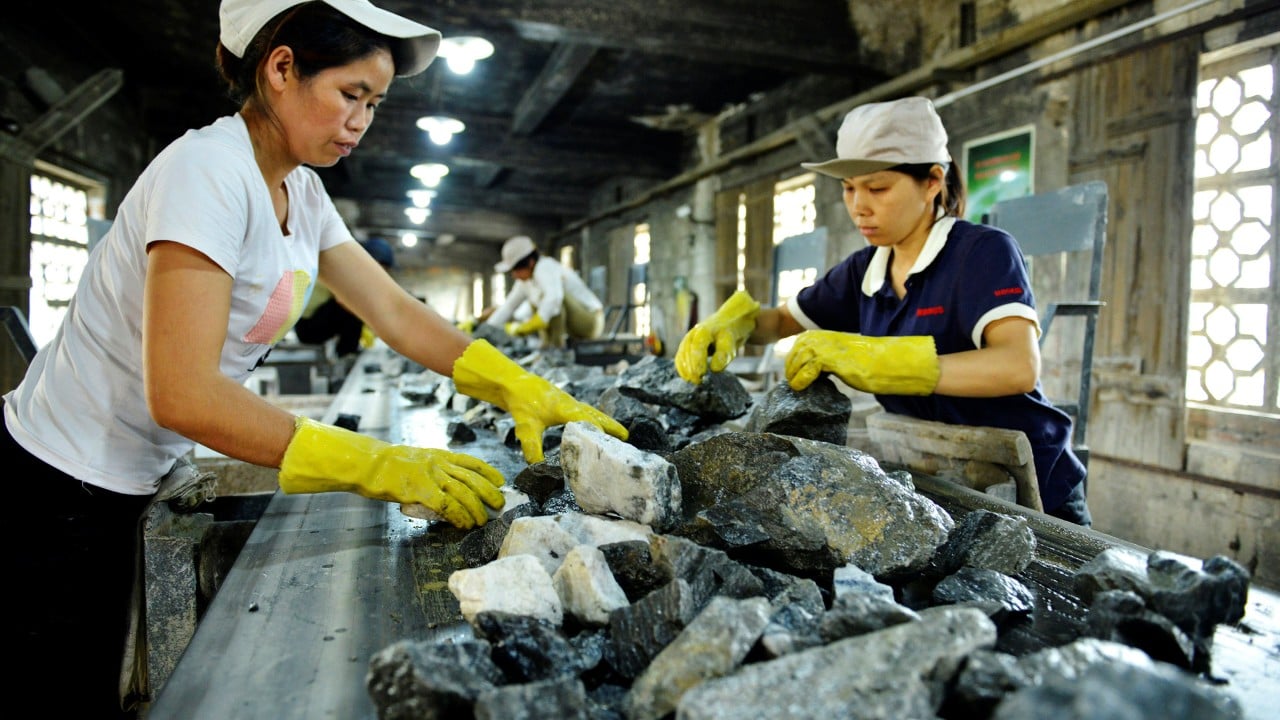
China's Tungsten Export Controls Ripple Through Global Supply Chains, From AI Chips to Weapons
China's 2025 export restrictions on tungsten have triggered price surges, potential production halts at Japanese semiconductor gas manufacturers, and a push to revive domestic mining in the United States. Tungsten, of which China produces over 78 percent of global supply, is critical to both advanced AI chipmaking and military munitions. The disruptions are exposing deep vulnerabilities in Western and Asian supply chains for a material with few short-term substitutes.

Rain Delays Start of India vs Afghanistan 1st ODI in Dharamshala
Persistent drizzle has delayed the toss and cast doubt over the first ODI between India and Afghanistan at the Himachal Pradesh Cricket Association Stadium in Dharamshala. The meteorological department issued an orange alert for June 12 warning of thunderstorms and hail across parts of Himachal Pradesh, with a 60–70% chance of showers forecast throughout the day. The delay threatens what would have been a historically significant match — the first-ever bilateral ODI series between the two nations.