Egyptian Analyst Criticizes Lebanese Leadership, Attributes Crisis to Foreign Interference and Ideological Conflicts

Egyptian political analyst Magdi Khalil criticized Lebanese leaders and regional actors for Lebanon's political and social collapse during a Friday broadcast. Khalil attributed the crisis to decades of mismanagement, Hezbollah influence, and interference from Syria, Iran, and Turkey, arguing these factors have eroded Lebanese sovereignty and weakened Christian communities. The analysis reflects broader regional tensions and competing visions for Lebanon's identity and governance.
During a current affairs program on Friday, Magdi Khalil, founder of the Middle East Freedom Forum, delivered a sharp critique of Lebanon's political crisis, attributing it to failures by Lebanese leaders including Samir Geagea and former president Michel Aoun, combined with regional interference from Syria, Iran, and Turkey. Khalil framed Lebanon's destruction through three historical pillars—Palestine, Islam, and Westernization—arguing that Arab-Muslim countries viewed Lebanon's secular, Christian-majority character as a cultural and ideological threat similar to Israel. He traced the practical destruction to the 1969 Cairo Agreement, which he claimed subordinated Lebanese sovereignty to Palestinian interests, followed by Syrian occupation under Hafez al-Assad and the institutionalization of Hezbollah's legitimacy. Khalil credited Israeli military actions in 1982 and recent years (2024-2026) with preventing complete Christian destruction and weakening Hezbollah, while warning of new existential threats from Turkish involvement in Lebanese affairs.
What's missing
The article presents Khalil's analysis without substantive counterarguments from Lebanese political figures, regional analysts with differing perspectives, or detailed examination of alternative explanations for Lebanon's crisis (such as economic collapse, corruption, or sectarian power-sharing system failures). The framing emphasizes Christian victimhood and Israeli protective actions while offering limited context on the perspectives of Lebanon's Shiite, Sunni, and Druze communities or their own analyses of the country's problems.
What different sources said
- The Jerusalem PostRight
Egyptian analyst slams Lebanese leaders, warns of country’s political, social destruction
Related
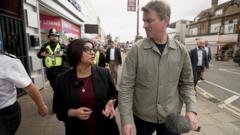
UK Government to Extend Shop Closure Powers to 12 Months Following BBC Investigation into Illegal Mini-Marts
The UK government announced new powers allowing authorities to close illegal mini-marts, barbers, and vape shops for up to 12 months, doubling the current maximum closure period of six months. The change follows a BBC News investigation exposing drug gangs, money laundering, and other organized crime linked to shops selling illegal cigarettes, vapes, and drugs on British high streets. The measure aims to give investigators more time to gather evidence and prevent rogue operators from quickly reopening, with support from Trading Standards officers who have long lacked sufficient enforcement tools.
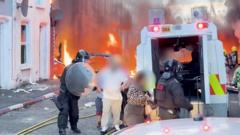
Belfast Residents Evacuate as Disorder Erupts Following Knife Attack
Residents in Belfast have been forced to flee their homes as cars and houses are set on fire following a knife attack in north Belfast on Monday night. A 30-year-old Sudanese man has been charged with attempted murder, while a victim remains hospitalized with serious injuries. The disorder has prompted police to call for calm as sporadic violence breaks out across Northern Ireland.
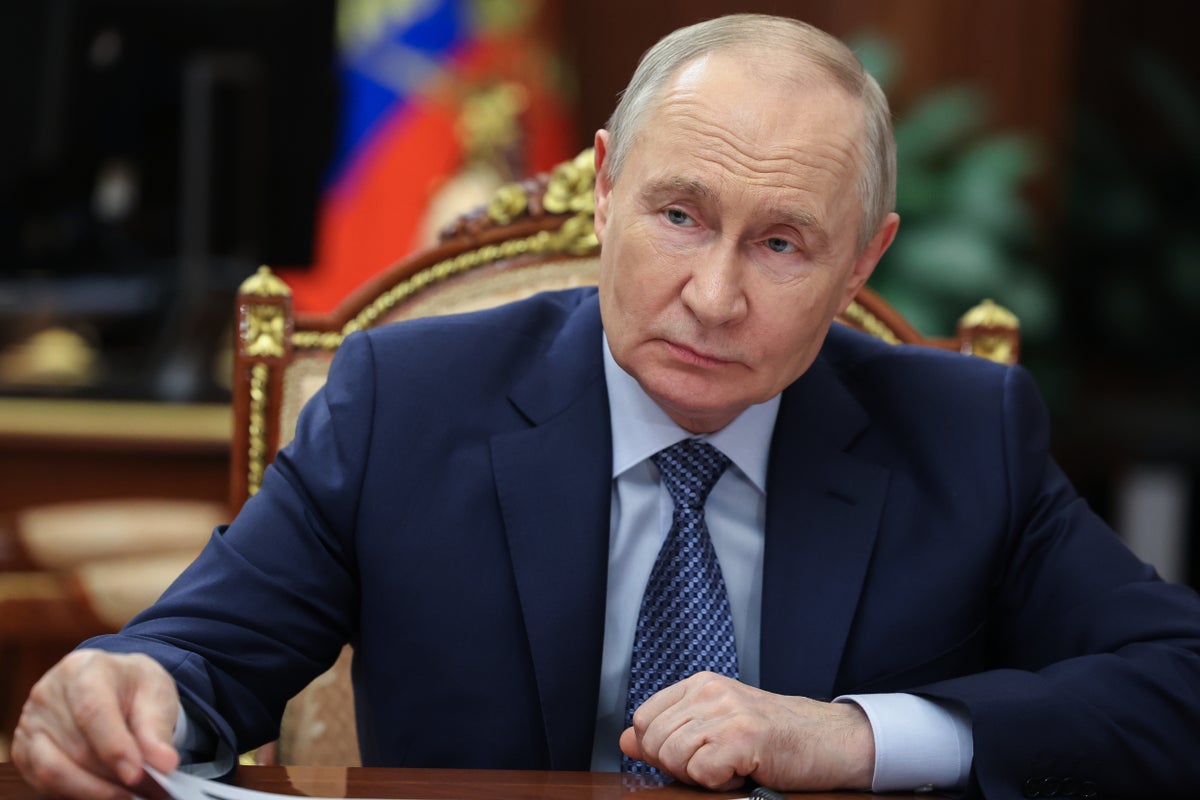
Russian General Killed in Moscow Car Bombing; Ukraine War Escalates with Drone Attacks and EU Sanctions
Damir Davydov, head of Russia's missile and artillery supply operations, was killed in a car explosion in the Moscow region on Tuesday morning, according to officials. The attack occurs amid intensifying Ukrainian drone strikes on Russian infrastructure and military leadership, though Ukraine has not claimed responsibility. The incident underscores the ongoing conflict's expansion into Russian territory and comes as the EU proposes its 21st sanctions package targeting Russian banks and military production.