Ebola Testing Disrupted in Three Congo Labs Due to Supply Shortages
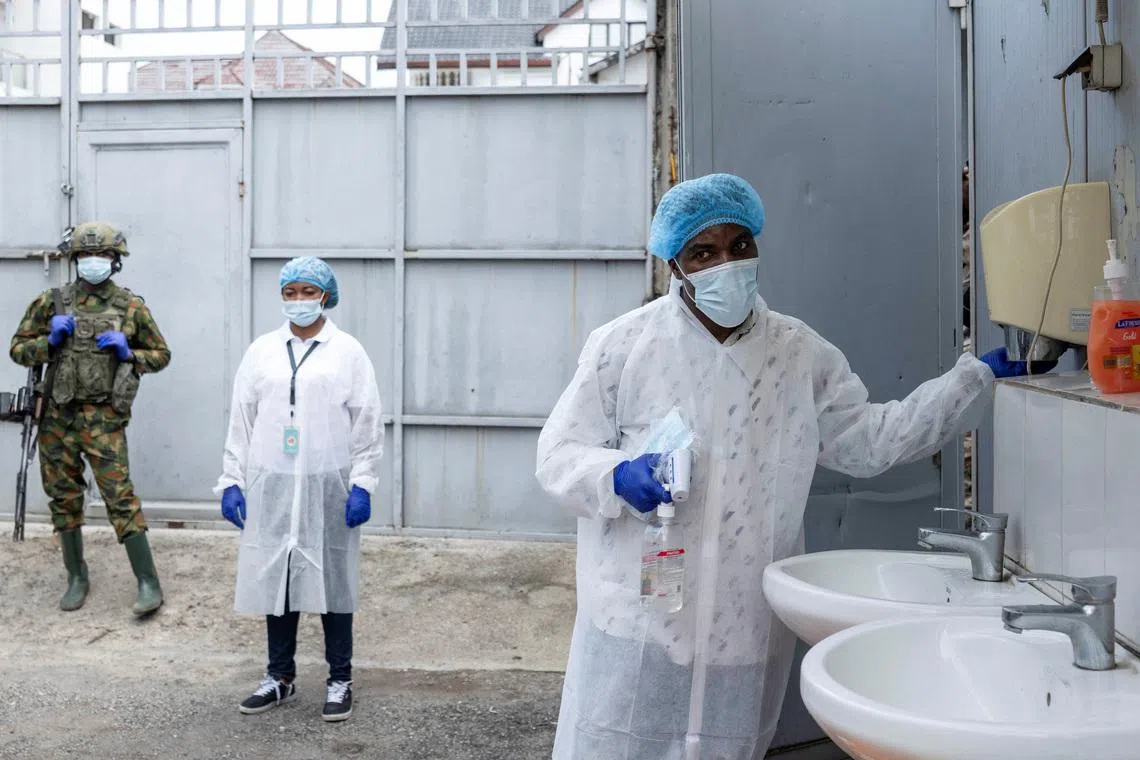
Three laboratories in the Democratic Republic of Congo have halted Ebola testing due to shortages of reagents needed to process samples, according to a WHO situation report from June 7. The Bundibugyo species outbreak has confirmed nearly 600 cases and over 115 deaths in Congo, with 19 cases and 2 deaths reported in Uganda. The testing delays compound challenges in the response, including community trust issues and insecurity in affected regions.
Three key laboratories in the Democratic Republic of Congo—located in Bukavu, Lwiro, and Goma—have exhausted their supplies of reagents required for Ebola testing, according to a WHO situation report dated June 7. The Bundibugyo Ebola outbreak has grown to nearly 600 confirmed cases with over 115 deaths in Congo and 19 cases with 2 deaths in neighboring Uganda, prompting the WHO to declare it an international public health emergency. Testing capacity has improved significantly since initial challenges with detecting the Bundibugyo variant, with the Institut National de Recherche Biomédicale in Kinshasa now leading efforts and regional laboratories achieving same-day result reporting. However, the supply shortage has created a backlog of samples awaiting testing. Beyond supply issues, response efforts face broader challenges including insecurity and armed conflict in affected provinces, as well as difficulties in building community trust—a critical component identified by INRB director Jean-Jacques Muyembe as essential for outbreak control.
What's missing
The article does not specify when the reagent supplies are expected to arrive or provide an estimate of the sample backlog awaiting testing. Additionally, no information is given about alternative testing capacity or whether samples could be redirected to other functional laboratories outside the affected provinces.
What different sources said
- The Straits TimesCenter
Ebola testing stalled in three Congo labs due to shortages, says WHO
Related
Sydney Psychiatrist Retains Medical License After Sexual Assault Conviction
Gopi Ilawala, a Sydney psychiatrist convicted of sexually assaulting an intoxicated colleague in 2022, has been allowed to continue practicing medicine despite the state health regulator seeking to have his registration cancelled. The New South Wales Civil and Administrative Tribunal reprimanded him and imposed conditions rather than striking him off, citing his remorse, lack of prior convictions, and support from two senior psychiatrists. The decision raises questions about professional accountability and public protection in medical regulation.

Australia's TGA to crack down on illegal peptides; government allocates $100m for arthritis research
Australia's Therapeutic Goods Administration has announced a crackdown on illegal peptides due to a surge in imports and online advertising, designating them a priority focus area. The federal government has simultaneously committed $100 million to medical research into arthritis prevention, diagnosis, and treatment. These developments reflect growing regulatory concerns about unregulated drugs and increased investment in chronic disease research.

GLP-1 Drugs Like Ozempic May Help ADHD Symptoms, According to Patient Reports and Clinical Observations
Social media users and some patients are reporting that GLP-1 receptor agonist drugs like Ozempic appear to improve ADHD symptoms, including increased focus, reduced procrastination, and better impulse control. GLP-1s were originally developed to treat Type 2 diabetes but are being studied for various other conditions. While anecdotal reports are growing, no formal clinical trials are currently testing these drugs specifically for ADHD, and the mechanism behind any potential benefit remains unclear.