Dutch Mother Shares Traditional Postpartum Practices After Difficult First Birth Experience
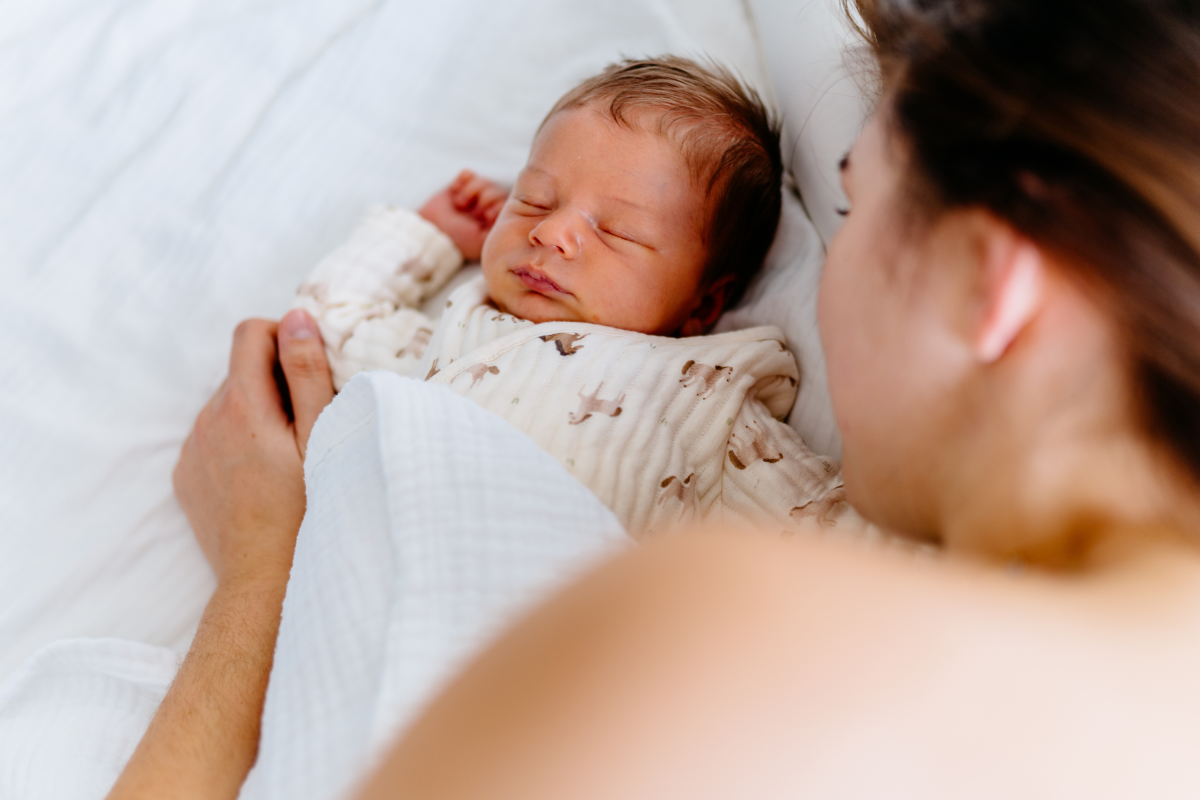
Chantal Wijbrandi, a 38-year-old from the Netherlands, adopted traditional postpartum practices for her second child after a traumatic first birth, including 40 days of rest, warm foods, belly binding, and community support. These practices, rooted in cultures worldwide such as China's "sitting the month" and Latin American "la cuarentena," contrast with modern Western postpartum care that prioritizes the baby over maternal recovery. Wijbrandi credits the approach with improving her physical healing and mental well-being, and advocates for shifting cultural expectations around postpartum support.
Chantal Wijbrandi, a 38-year-old Dutch mother and aspiring Holistic Postpartum Practitioner, has publicly shared 11 postpartum practices she followed after her second child's birth, inspired by traditional and indigenous cultures worldwide. Her practices include staying mostly in bed for two weeks, avoiding leaving home for 40 days, consuming only warm cooked foods, receiving regular massages, belly binding, herbal sitz baths, and prioritizing rest and community support. Wijbrandi adopted these approaches after her first postpartum experience left her feeling isolated, overwhelmed, and unsupported, despite believing independence was necessary for good motherhood. She notes that traditional cultures center maternal recovery after birth, while modern Western culture focuses on the baby, leaving new mothers without adequate support networks. She identifies rest, nourishment, and community as the three most impactful practices and encourages other mothers to demand postpartum support as a fundamental right.
What's missing
The article does not include perspectives from medical professionals or obstetricians on the safety, efficacy, or appropriateness of these specific practices for postpartum recovery in modern contexts, nor does it address potential risks or contraindications for certain practices like belly binding.
What different sources said
- NewsweekCenter
Mom Reveals New 11 'Crazy Rules' After Miserable Postpartum Experience
Related
Sydney Psychiatrist Retains Medical License After Sexual Assault Conviction
Gopi Ilawala, a Sydney psychiatrist convicted of sexually assaulting an intoxicated colleague in 2022, has been allowed to continue practicing medicine despite the state health regulator seeking to have his registration cancelled. The New South Wales Civil and Administrative Tribunal reprimanded him and imposed conditions rather than striking him off, citing his remorse, lack of prior convictions, and support from two senior psychiatrists. The decision raises questions about professional accountability and public protection in medical regulation.

Australia's TGA to crack down on illegal peptides; government allocates $100m for arthritis research
Australia's Therapeutic Goods Administration has announced a crackdown on illegal peptides due to a surge in imports and online advertising, designating them a priority focus area. The federal government has simultaneously committed $100 million to medical research into arthritis prevention, diagnosis, and treatment. These developments reflect growing regulatory concerns about unregulated drugs and increased investment in chronic disease research.

GLP-1 Drugs Like Ozempic May Help ADHD Symptoms, According to Patient Reports and Clinical Observations
Social media users and some patients are reporting that GLP-1 receptor agonist drugs like Ozempic appear to improve ADHD symptoms, including increased focus, reduced procrastination, and better impulse control. GLP-1s were originally developed to treat Type 2 diabetes but are being studied for various other conditions. While anecdotal reports are growing, no formal clinical trials are currently testing these drugs specifically for ADHD, and the mechanism behind any potential benefit remains unclear.