Drug Discovery Challenges: Scientists Reflect on High Failure Rates and Clinical Trial Setbacks
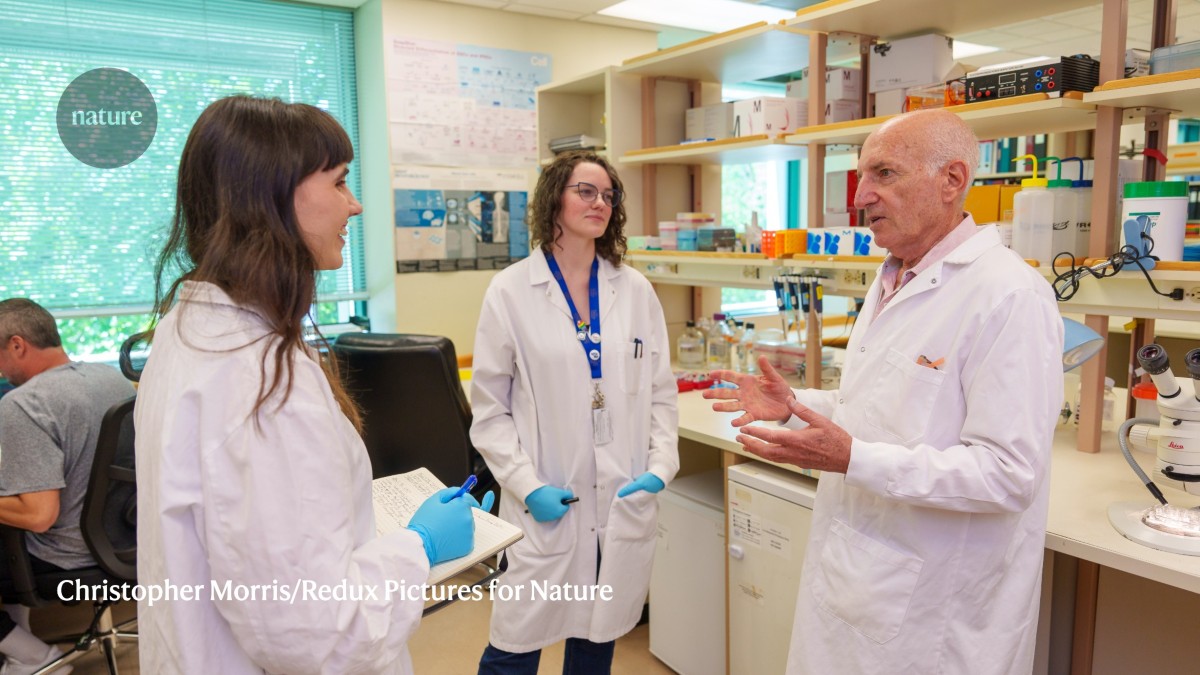
A Nature News article examines the widespread frustrations among drug developers, highlighting that less than 15% of drug candidates reach the market and failure rates exceed 50% at multiple clinical trial phases. The piece features neurologist Jeffrey Rothstein's experience with a failed ALS gene therapy (BIIB078) that unexpectedly increased neurodegeneration markers despite promising preclinical data. Understanding these systemic failures is critical for improving drug development efficiency and managing expectations in biomedical research.
Drug discovery remains a high-risk endeavor, with less than 15% of laboratory candidates ultimately reaching market approval. Each developmental stage—from five years of preclinical work through three phases of clinical trials—carries substantial failure risk: approximately 36% fail phase I, over 50% fail phase II, and more than 40% fail phase III. The article features neurologist Jeffrey Rothstein's case study of BIIB078, a gene therapy for amyotrophic lateral sclerosis (ALS) developed by Ionis Pharmaceuticals and Biogen. Despite comprehensive preclinical validation showing safety in mice and efficacy in targeting a C9orf72 mutation, the drug unexpectedly failed phase I trials by increasing blood levels of neurodegeneration-associated proteins rather than improving clinical outcomes. Rothstein hypothesizes the failure may stem from targeting only one DNA strand's RNA transcripts, though the exact mechanism remains unclear. The article emphasizes that even drugs passing all clinical trials can fail due to cost or toxicity concerns in real-world application.
Limitations & open questions
The article does not discuss potential solutions or systemic reforms being proposed to address these high failure rates, nor does it provide comparative data on failure rates across different therapeutic areas (oncology, cardiovascular, infectious disease, etc.) that might reveal whether certain disease categories have better or worse success profiles.
What different sources said
- Nature NewsCenter
When drug discovery fails: scientists share their frustrations with the process
Related
Study reveals IDH1 enzyme's role in cardiac metabolic adaptation during cancer-related stress
Researchers discovered that isocitrate dehydrogenase 1 (IDH1) helps the heart adapt to metabolic stress caused by cancer-related mutations through a previously unknown reductive metabolic pathway. The study used stable isotope tracing and genetic knockout models in rat and mouse heart tissue to show that when mitochondrial metabolism is impaired, IDH1 redirects carbon flux toward glutamine-derived citrate formation. This finding expands understanding of how cardiac metabolism responds to oncometabolic stress and may have implications for managing cardiovascular complications in cancer patients.
AI Framework Reveals How β-Arrestin 1 Protein Changes Shape During Activation
Researchers used a transformer-based artificial intelligence model to analyze how the β-arrestin 1 protein's tail region reorganizes when activated by cell surface receptors. The study examined molecular dynamics simulations comparing the protein in resting and active states, uncovering previously unknown conformational changes. This work could improve understanding of how cells regulate signaling pathways involved in numerous physiological and disease processes.
Study Links Pancreatic Cancer Tissue Stiffness to Tumor Progression and Patient Survival
Researchers combined imaging scans and laboratory tissue analysis to show that pancreatic cancer tumors with greater stiffness—driven by dense collagen buildup—correlate with worse patient survival outcomes. The study of nine patients found that magnetic resonance elastography, a non-invasive imaging technique, can detect mechanical properties that reflect underlying tumor biology. These findings suggest that measuring tissue stiffness through imaging could help doctors better characterize pancreatic cancer and guide treatment decisions.