Dirty Sodas Gain Popularity Despite Health Warnings From Medical Experts
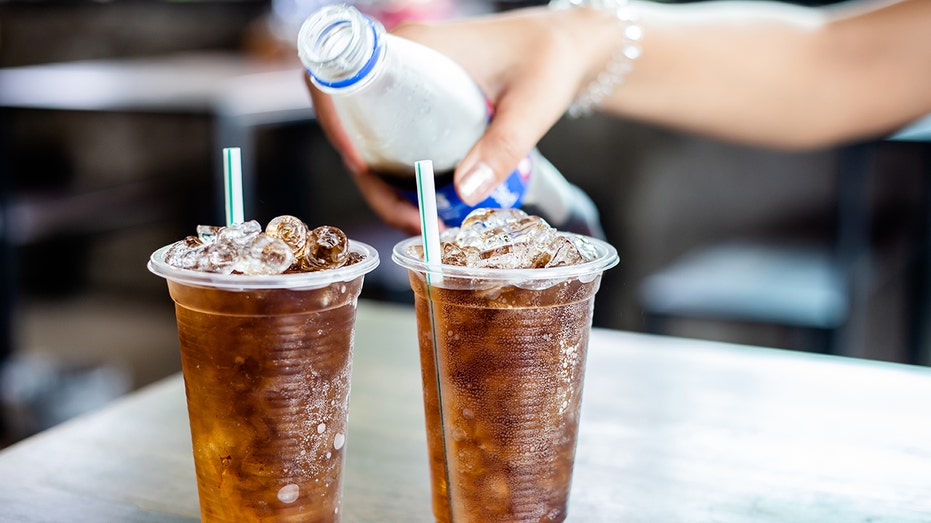
The growing 'dirty soda' trend — soft drinks mixed with flavored syrups, creamers, and fruit juices — is drawing warnings from doctors and dietitians over its high sugar and calorie content. The drinks, which can contain 250–400 calories and 55–70 grams of sugar per serving, originated in Utah around 2010 and have since gone mainstream through fast-food chains and major beverage brands. Health experts warn that regular consumption raises the risk of obesity, diabetes, heart disease, and other chronic illnesses.
Dirty sodas — customizable soft drinks blended with flavored syrups, creamers, fruit juices, and garnishes — have surged in popularity, appearing on menus at McDonald's, Taco Bell, Sonic, and Dunkin, and in products from Coca-Cola and PepsiCo. The trend is widely credited to Swig, a Utah-based soda shop founded in 2010, where demand grew partly because many members of The Church of Jesus Christ of Latter-day Saints abstain from coffee and alcohol. A single dirty soda can contain 250–400 calories and 55–70 grams of sugar, often more than double the American Heart Association's recommended daily added sugar limit. Registered dietitian Erin Palinski-Wade described the drinks as closer to a dessert than a soft drink, warning they are especially dangerous for people with insulin resistance, prediabetes, or diabetes due to sharp blood sugar spikes. Dr. Marc Siegel called the beverages 'very unhealthy,' noting their high saturated fat content and addictive potential through dopamine and endorphin stimulation. Crumbl's version drew particular attention after physician Dr. Mark Hyman claimed it contains 186 grams of sugar — equivalent to 19 Krispy Kreme donuts — calling it a 'metabolic disaster.' Experts recommend treating dirty sodas as an occasional indulgence, comparable to cake or a milkshake, and suggest seltzer water as a lower-sugar alternative base.
What's missing
Neither source cites peer-reviewed studies specifically on dirty sodas; the health risk claims are based on expert opinion and general research on sugary beverages.
What different sources said
- Fox NewsRight
Dirty soda drinks are everywhere, but doctors warn of health risks: 'Metabolic disaster'
- New York PostRight
Dirty soda drinks might be doing you dirty as doctors warn of health risks: ‘Metabolic disaster’
Related

Chicago Woman's Five-Year Symptom Journey Leads to Rare Brain Tumor Diagnosis
Melony Aponte, 26, was diagnosed with a 4.5-centimeter acoustic neuroma after five years of symptoms she attributed to stress, COVID-19, and aging. The rare, noncancerous tumor—affecting roughly one in 100,000 people—had grown large enough to compress her hearing and balance nerve before it was identified via MRI in March 2025. Her case highlights how acoustic neuroma symptoms can mimic common conditions, potentially delaying diagnosis for years.

Study Finds Aging Shifts Walking Strategy Toward Stability at the Cost of Efficiency
A new study from Flinders University and the University of Canberra found that as people age, their bodies adopt a 'safety-first' walking pattern that prioritizes balance over efficient movement. Researchers analyzed gait data from 107 healthy adults aged 26 to 86, identifying increased ankle muscle co-contraction and reduced push-off power as key age-related changes. The findings suggest that fall prevention programs should target balance and coordination, not just muscle strength.

Tick Populations Surge in Urban Areas Across Northeast
Experts across the northeastern United States and Canada are warning of an unusually early and widespread tick season, with disease-carrying ticks increasingly found in urban parks and green spaces. Lyme disease cases in Canada reached a record 7,105 in 2025, up from 5,809 the previous year, while U.S. cities including Philadelphia, Pittsburgh, Washington D.C., and New York are reporting rising tick activity. The expansion poses a public health challenge because urban residents are less likely to take tick-bite precautions than those in rural areas.